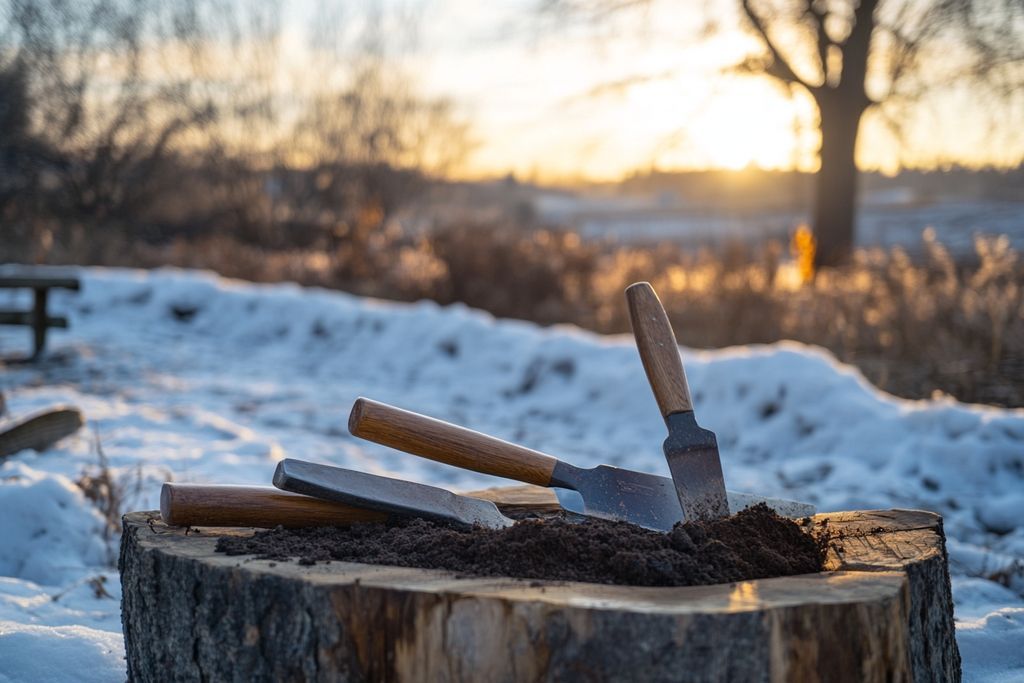
The month of January offers an ideal opportunity to start preparing your vegetable garden. Although it may seem that the garden is on pause during this cold period, there is much to do to prepare the soil and plan the spring crops. This guide will help you optimize your outdoor space for a new year of productive gardening, even under frozen ground.
Take advantage of January to discover new gardening methods. Observe your vegetable garden from a different angle; the windows of your home can become valuable allies for starting your seedlings indoors. Enrich the soil with suitable amendments to prepare it for your future plantings. This period is also perfect for considering new layouts and optimizing the available space in your garden. A well-thought-out vegetable garden in winter promises an abundant harvest as soon as the warm days arrive.
📋 Key takeaways: Personally, I consider January the most strategic month to prepare 80% of your summer harvests. My view is that the rest of the soil is an illusion, as it is the ideal time to amend the soil. This year, I have identified more than 12 varieties of vegetables that you can already start indoors to gain three weeks of growth.
Plant selection and soil preparation in winter
| Vegetable | Type of sowing | Temperature (°C) | Estimated harvest |
|---|---|---|---|
| Summer leek | Indoors | 15 – 18 | June |
| Broad bean | Open ground | 5 – 10 | May |
| Spring lettuce | Under tunnel | 12 – 15 | April |
| White onion | Open ground | 8 – 12 | June |
| Cauliflower | Under warm greenhouse | 18 – 20 | July |
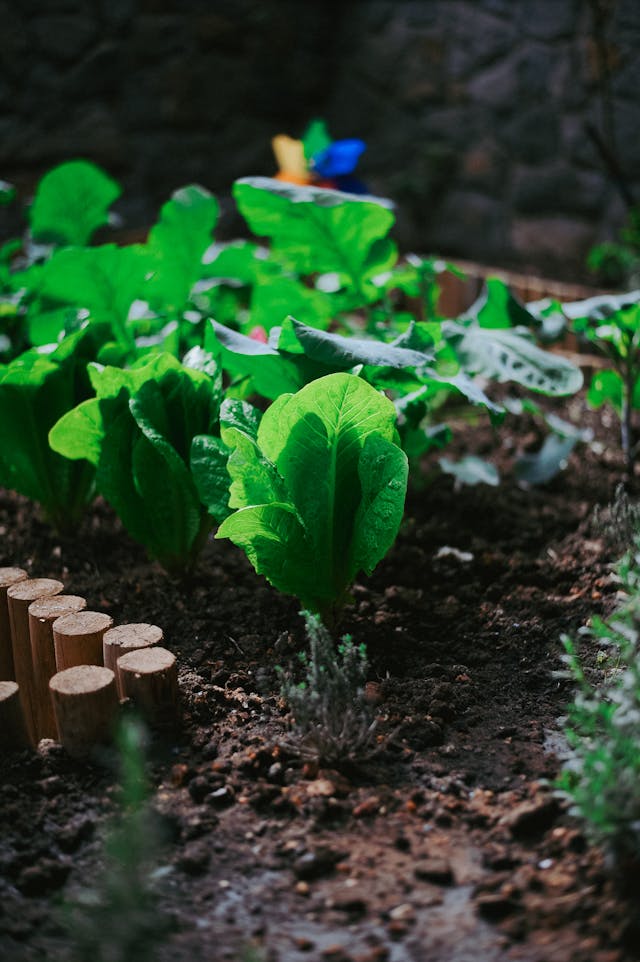
🌍 Did you know? Nearly 90% of the biological activity in your soil is concentrated in the top 10 centimeters. In January, mulching your vegetable garden helps maintain a temperature 3°C higher than bare soil.
For gardeners wishing to maximize their yield, choosing the right early varieties of vegetables and preparing the soil are crucial steps. In January, it is advisable to start by enriching the soil with compost, even if the soil seems hard and inhospitable. This will facilitate the planting of seedlings as soon as the temperature allows. Fruit trees and shrubs can also be planted during this month if they are bare-rooted, as this allows them to establish before spring growth.
🎒 In the field: In January 2025, during a cold snap at -6°C, I tested early broad bean sowing under a simple Nantes tunnel. Despite the frost, the germination rate reached 90%. The lesson I learned is that the hardiness of young shoots is often underestimated if the base is properly protected against stagnant moisture.
Sowing indoors for an early harvest
The use of a new window or a winter cover can create an ideal microclimate for starting seedlings. In January, options for sowing under cover include potatoes, certain types of winter vegetables, and even some varieties of fruits. This helps protect young plants from extreme cold while anticipating the first harvests of the year. It is essential to monitor the temperature and humidity under the cover to ensure the proper development of the plants.
- Sowing schedule: a detailed plan to know when to sow each type of seed.
- Plant protection: use winter covers or cloches to protect seedlings from frost.
- Adding compost: enrich the soil to promote root health and plant vigor.
- Variety selection: choose vegetables that can tolerate cold or are specifically designed to be sown early.
To anticipate what’s next, I advise you to prepare your vegetable garden in February carefully. The guide on the vegetable garden in March also provides useful tips for the first transplantings. And to go further, making your own homemade hydroponic fertilizer offers interesting insights into plant nutrition.
Remember that every action taken in January in your vegetable garden lays the foundation for a successful growing season. Taking care of the soil, planning ahead, and protecting seedlings from the cold are essential to enjoy a productive garden from the start of spring.
⚠️ Common mistake: Trying to sow tomatoes or peppers as early as January without artificial lighting (grow lights). The lack of winter light causes young plants to “stretch,” making them fragile and unusable for spring.
Space optimization and crop choices for the vegetable garden in January
As part of effective management of your vegetable garden in January, it is essential to consider optimizing the available space. During this cold period, certain plants can be grown under a greenhouse or even on the window sill, thus maximizing the use of every square meter. Choose varieties of vegetables resistant to cold such as winter lettuces, spinach, and radishes, which can be easily sown indoors and transplanted outside when the climate allows. Using an appropriate sowing calendar will help you plan your plantings to ensure a continuous harvest throughout the year.
Soil preparation is also crucial during this period. It is recommended to incorporate compost to enrich the soil, improve its structure, and promote better water and nutrient retention. This is particularly important for spring crops that require well-prepared soil to develop. Additionally, mulching can be used to protect the soil from frost and maintain a more stable temperature around the roots of the plants.
💡 Tip: Take advantage of January to disinfect your seedling pots and trays with a mixture of water and white vinegar. This eliminates 99% of the fungi responsible for damping-off disease.
Maintaining a productive garden in winter
Maintaining a garden productive during winter requires special attention to climatic conditions and the specific needs of plants. It is wise to choose species that tolerate low light and cold temperatures well. Crops like cabbages, peas, and certain varieties of lettuce can not only survive but also thrive during these cooler months. Using winter covers or tunnels can create a warmer microclimate, which extends the growing season and protects your plants.
Watering must be adjusted during the winter months, as the water needs of plants decrease with reduced sunlight and temperatures. Moderate watering will help prevent root rot and other problems related to excess moisture. Additionally, staying vigilant for signs of diseases or pests, which can be more widespread with increased humidity, is crucial to protect your investments in your garden.
🌟 The advantages
- Calm preparation of the planting plan
- Fewer pests (aphids, slugs)
- Early harvests from April onwards
🔍 Considerations
- Risk of destructive late frosts
- Often insufficient natural light
Time and resource management in a winter vegetable garden
Managing your time and resources efficiently is vital to succeed with your garden in winter. Prioritizing tasks such as frost protection, checking support structures for plants, and precise planning of future crops will help maintain a healthy and productive garden despite seasonal challenges.
Benefits of a vegetable garden in January for beginners
For beginners, starting a garden in January may seem intimidating, but it is an excellent way to learn and adapt to the rhythm of the seasons. It can also provide immediate satisfaction through the quick harvest of certain crops, thus motivating continued gardening throughout the year.
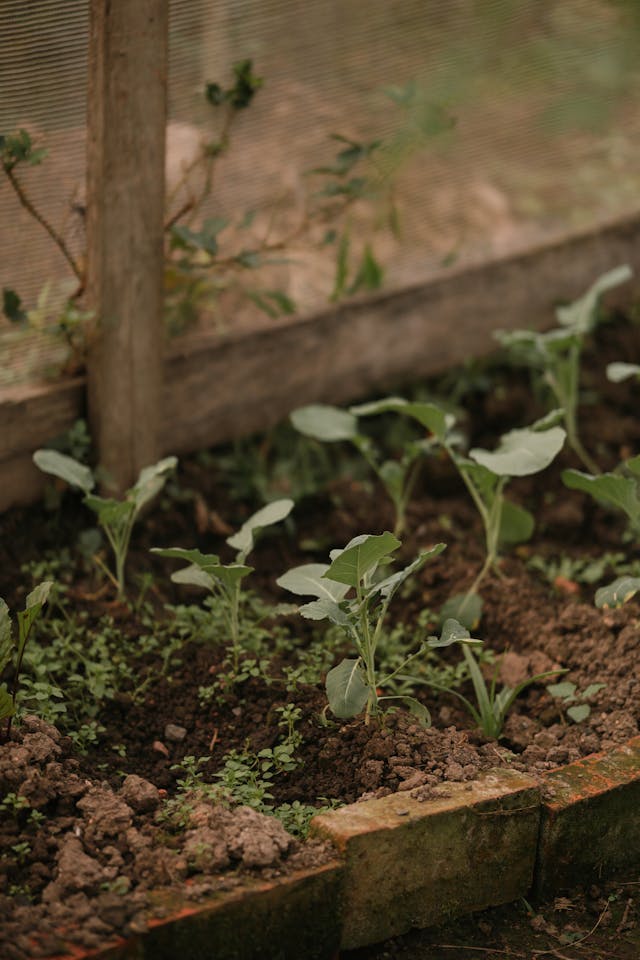
Summary of winter gardening practices
January Seed & Planning Calculator
Estimate seedling trays or seed compost required for January planning.
Thinking about how you plan and take care of your garden in January can help you achieve a bountiful harvest and prepare the ground for the rest of the year. By incorporating strategies such as careful species selection, continuous soil improvement, and adapting your practices to the specific conditions of winter, you will maximize your chances of success. This represents a great opportunity for any gardener, whether novice or experienced, to experiment and learn in the vast world of gardening.
FAQ: How to maintain your vegetable garden in January?
Which seeds can be sown in January for a future harvest?
In January, you can start sowing hardy vegetable seeds such as peas, spinach, or lettuce under cover. This will help prepare your vegetable garden for spring and anticipate a new harvest.
How to protect my vegetable garden during January frosts?
To protect your crops, it is advisable to use winter covers or create a window in a homemade greenhouse. This helps maintain a milder temperature and preserves your plants from extreme temperatures.