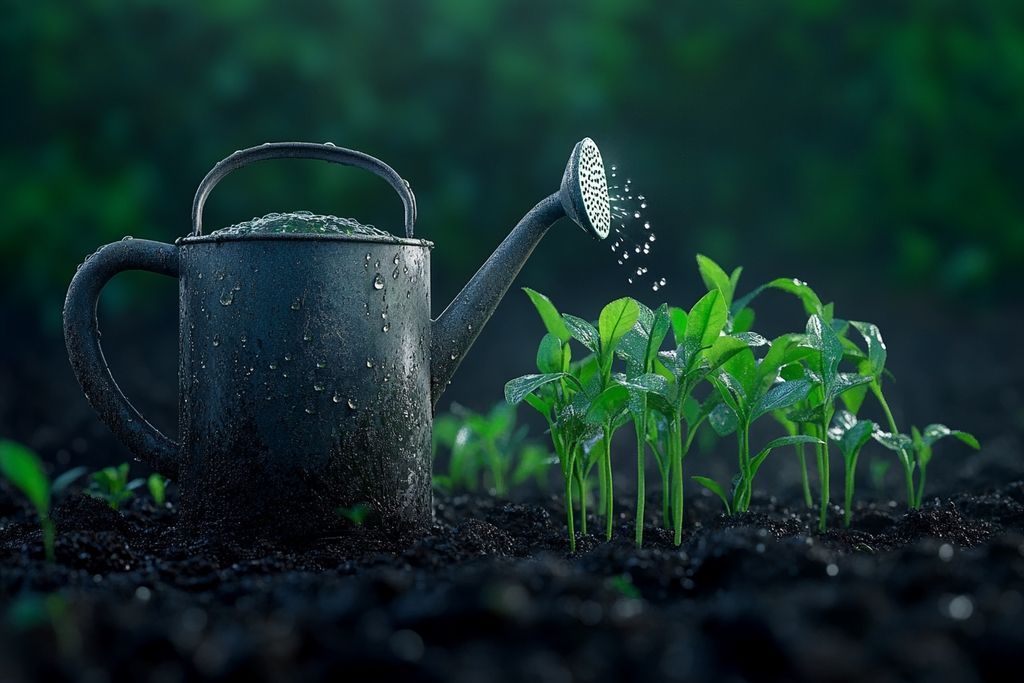
The month of May marks a decisive turning point for the vegetable garden. It is an ideal time to start planting many vegetables and plants. Whether you are a beginner in gardening or looking to perfect your skills, some tailored tips can transform your outdoor space into a true green haven. Here, we will discuss how to prepare your soil, choose the right seeds and seedlings, as well as an introduction to permaculture, for a vegetable garden that is both beautiful and productive.
May, a true garden festival, offers the perfect opportunity to sow a multitude of vegetables in rich and well-prepared soil. Permaculture enthusiasts will find this month a fertile ground to experiment with innovative techniques. Sowing adapted varieties can transform your space into a lush Eden. The wise choice of crops and the care given to their development are the keys to a flourishing vegetable garden. With a thoughtful approach, every corner of your garden can become a space of discovery and abundance.
📋 The essentials at a glance: Personally, I consider May the most exciting month because it marks the end of frosts with the passing of the ice saints on May 13. My opinion is that it is time to free up 100% of the growing area for summer vegetables. This year, the focus is on setting up tomatoes and cucurbits to ensure food autonomy from July onwards.
Preparation and crop selection for your vegetable garden
To review the previous steps, I advise you to reread the guide on the vegetable garden in April which lays the foundations. The file on the vegetable garden in June will also give you useful clues for what follows. Finally, to feed your hungry plants, making your own hydroponic fertilizer offers interesting insights.
To ensure good growth of your vegetables, soil preparation is essential. It is recommended to work the soil to make it light and rich in nutrients. Adding compost can enrich the soil, and using green manure, such as mustard or clover, helps improve its structure and fertility for the upcoming seasons. Regarding crops, May is perfect for sowing root vegetables such as radishes and potatoes directly in the ground, but also for planting tomato, cabbage, and cauliflower seedlings.
🗣️ My experience: In May 2025, I waited precisely until May 16 to transplant my 15 “Beefsteak” tomato plants. A neighbor planted his as early as May 1 and lost everything due to a nighttime temperature drop to 2 degrees. The lesson learned is that thermal patience is the key to a successful vegetable garden in May.
Planting methods and vegetable garden management

Adopting permaculture techniques can significantly increase the efficiency of your vegetable garden. This approach promotes biodiversity and sustainability. Seedlings should be spaced adequately according to the specific needs of each plant. For example, tomatoes require more space than radishes. It is also wise to plant near herbs, which can repel certain pests while attracting pollinators. To maintain the health and vigor of the garden, regular maintenance is crucial. This includes proper watering, weed control, and regular monitoring for diseases and pests.
- Seedlings: Choose seeds suitable for the season.
- Crops: Incorporate a variety of vegetables for a diverse garden.
- Soil: Improve its quality with compost and green manure.
- Land: Ensure it is well-drained and exposed to sunlight.
- Tips: Use crop rotation to avoid soil depletion.
- Ornamental garden: Include flowers to attract pollinators.
- Organic vegetable garden: Avoid chemical pesticides by favoring natural solutions.
- Harvests: Plan them regularly to stimulate plant growth.
- Peas: Sow them near supports to facilitate their vertical growth.
- Winter: Prepare the ground for next year’s crops.
Optimizing watering and soil for a healthy vegetable garden
May Garden Planting Calculator
Estimate plant numbers or compost volume required for your May garden beds.
To ensure optimal growth of plants in your vegetable garden, managing watering and preparing the soil are critical. Proper watering facilitates robust growth of vegetables and plants. It is recommended to use a drip irrigation system, which allows even distribution of water directly to the roots, thus avoiding waste and diseases related to excess moisture on the leaves. Regarding the soil, it is essential to enrich it with compost or well-decomposed manure before seeding or planting. This step improves the soil structure, increases its fertility, and helps retain the moisture necessary for the crops.
When preparing your garden, it is also important to test the pH of the soil. Soil that is too acidic or too alkaline can limit the availability of essential nutrients for your plants. For vegetables like cabbage and tomatoes, a pH around 6.5 is ideal. If necessary, adjust the pH by adding lime to reduce acidity or sulfur to increase acidity. Remember to make these adjustments several months before planting, as pH changes take time to affect the soil.
💡 Tip: When planting tomatoes, bury the stem up to 10 cm deep. This promotes the development of adventitious roots, increasing water absorption capacity by 25%.
Pest and disease management in the vegetable garden

In managing a vegetable garden, it is essential to regularly monitor the presence of pests and signs of diseases on your plants. Using integrated pest management methods can greatly reduce risks without resorting to harmful chemicals. For example, installing insect nets or using companion plants can help repel certain pests. Tomatoes often benefit from the company of basils, which naturally repel some insects while improving their growth.
Using crop rotations is also an effective strategy to minimize disease risks. By changing the location of different types of vegetables each year, you can prevent the buildup of specific pathogens in the soil. This practice also helps maintain nutritional balance and reduces soil depletion. Vegetables like cabbages can benefit from rotation with legumes, which fix nitrogen in the soil, thus enriching the environment for subsequent crops.
Growing specific vegetables in May
🍀 Advantages
- Ideal temperatures for growth
- Facilitated direct sowing
- Maximum spring energy
🔻 Limitations
- Pest pressure (slugs)
- Risk of early downy mildew
Certain varieties of vegetables are particularly well suited for planting in May. Tomatoes, radishes, and edible flowers can be sown at this time. Sowings done in May often benefit from rapid growth thanks to rising temperatures and better light.
| Vegetable | Method | Spacing (cm) | Water requirement |
|---|---|---|---|
| Tomato | Planting | 50 | High |
| Zucchini | Planting | 100 | Very high |
| Green bean | Direct sowing | 40 | Medium |
| Eggplant | Planting | 50 | High |
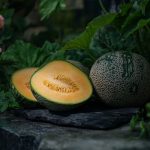
| Melon | Planting | 80 | Very high |
Methods to increase harvests at the end of the season
To maximize your harvests at the end of the season, consider integrating green manures like mustard or clover. These plants improve the soil structure, add essential nutrients, and prepare the ground for the next planting season. They also help suppress weeds and attract useful pollinators to the garden.
🌍 Did you know? In May, soil biodiversity is at its peak. A single gram of vegetable garden soil can contain more than a billion microorganisms working to nourish your future vegetables.
Summary of practices for a thriving vegetable garden in May
Starting a garden or a vegetable patch in May requires attention and care. By optimizing watering, enriching the soil, and implementing effective pest control strategies, you can expect a beautiful variety of healthy and abundant vegetables. Always remember to adapt these tips according to the climatic and environmental specifics of your region to achieve the best possible results. Keep in mind that every small action contributes to the overall health of your garden, and each season offers its own opportunities to learn and improve your techniques.
⚠️ Warning: The classic mistake is watering the leaves of tomatoes and zucchinis. In May, the temperature difference between day and night combined with leaf moisture creates an ideal environment for downy mildew.
FAQ: Optimize your vegetable garden in May!
What is the best time to sow cabbage seeds?
Cabbage sowing can begin as early as May, when temperatures are milder. This allows for robust and well-developed seedlings.
What practical advice helps succeed with planting in May?
To succeed with your planting this month, make sure to properly prepare your soil by aerating it and adding compost. Water regularly and consider mulching to retain moisture.
What other crops can be associated with cabbage in the vegetable garden?
Cabbage pairs very well with vegetables like carrots or radishes, which can help repel certain pests. Think about diversifying your crops for a balanced vegetable garden!