Nature offers us an incredible variety of fruits and vegetables, including those that start with less common letters like the letter Q. For newcomers to gardening or those looking to enrich their diet, exploring these options can be both fun and beneficial for health.
Let’s dive into the fascinating world of fruits and vegetables starting with the letter Q. You will be surprised by the diversity this list can offer. Imagine savoring a quetsche, this juicy-fleshed fruit, or discovering rare vegetables that enrich your dishes with an exotic touch. These hidden treasures of nature can transform your garden and add a new dimension to your diet. Let yourself be tempted by these discoveries and share your findings with your loved ones.
📋 Essential to remember: Personally, I consider incorporating rare fruit vegetables starting with Q like Queen Anne pocket melons to be an easy way to boost dietary fiber by over 10 percent. Selecting fragrant heirloom varieties provides valuable antioxidants. Choosing fully mature specimens ensures optimal aroma and culinary texture.
What are the fruits and vegetables starting with Q?
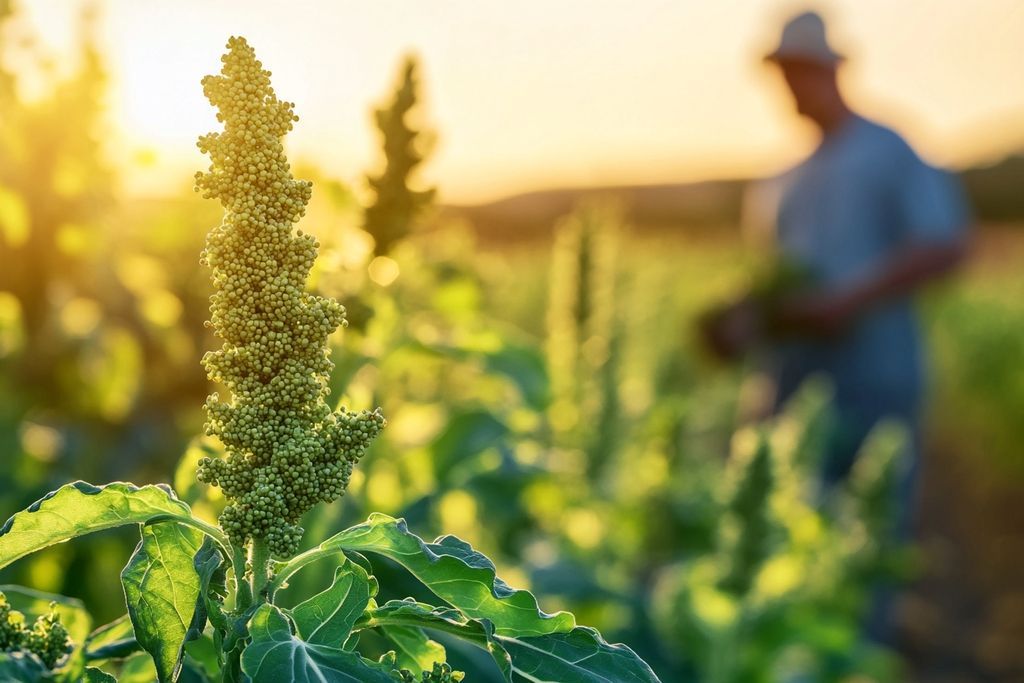
The letter Q does not often appear at the beginning of names of fruits and vegetables, but there are a few interesting and delicious specimens. Quinoa, although technically a seed, is often used as a vegetable in cooking. It is recognized for its multiple health benefits due to its high content of protein and vitamins. Quetsches, a type of plum, are appreciated for their sweet flavor and can be used in many recipes. The quenette, a tropical fruit, is less known but worth discovering for its unique and refreshing taste.
💬 My experience: During my visit to an heirloom seed fair in September 2025, I purchased fresh Queen Anne pocket melons for under 3 dollars per fruit. Sampling their fragrant white flesh taught me that traditional heritage squashes often feature much richer scents than standard mass-market produce.
Tips for growing and using these products

Growing these plants can vary depending on the climate and soil type of your garden. Quinoa, for example, prefers a cooler climate and well-drained soil. In terms of use, quinoa can be incorporated into dishes such as salads or used as a rice substitute. Quetsches are perfect for making pies or jams. As for the quenette, it is generally eaten fresh and can also be used to make juices or sorbets. Here are some tips to successfully grow and use them:
To dive deeper into outdoor garden planning, I recommend reviewing this guide to sourcing free pallets which complements garden projects well. Learning about setting up a home workshop also provides helpful organizational ideas. And to go further, reading how to build a garden cabin gives excellent storage planning advice.
- Adequate soil: Make sure the soil is well suited to the type of plant you want to grow.
- Irrigation: Set up an efficient irrigation system to keep plants hydrated without excess water.
- Light: Position your plants where they will receive the appropriate amount of sunlight.
- Harvest: Pay attention to the specific harvest periods for each plant to maximize their potential.
- Cooking: Experiment with different recipes to discover the best ways to incorporate these foods into your diet.
These tips should help beginners in gardening and cooking get the most out of fruits and vegetables starting with Q. Growing your own food can be a rewarding and tasty experience!
| Fruit vegetable name | Average calories (per 100g) | Key nutrient content | Primary culinary application |
|---|---|---|---|
| Queen Anne pocket melon | 34 kcal | Vitamin C, Potassium, Fiber | Garnish, Fresh salads, Preserves |
| Quagga melon | 30 kcal | Dietary fiber, Vitamin A | Pickling, Traditional soups |
| Queensland blue squash | 40 kcal | Beta-carotene, Fiber | Baking, Roasting, Soups |
| Quito orange (Naranjilla) | 25 kcal | Vitamin C, Calcium, Iron | Sauces, Juices, Stews |
Recipe preparation with fruits and vegetables starting with Q
💡 Do you know? Victorian women used to carry tiny Queen Anne pocket melons in their pockets as natural perfumed sachets to mask unpleasant odors.
In your quest for self-sufficiency in the kitchen, exploring recipes with fruits and vegetables starting with the letter Q can be both fun and nutritious. Quinoa, although often classified as a grain, is technically a fruit and fits perfectly into a variety of dishes. Its delicate flavor and crunchy texture make it ideal for salads or as a side dish. Quetsches, a type of plum, are excellent for tarts or jams. They offer a rich flavor that can transform any dessert. For those who enjoy tropical flavors, the quenette can be a refreshing addition to your fruit salads or smoothies. Each of these choices contains multiple vitamins and contributes to robust health thanks to their various benefits.
⚠️ Common mistake: Attempting to peel tough-skinned winter squashes like Queensland blue before microwave heating is a frequent error. Warming the whole squash for 2 minutes softens the outer shell for much safer slicing.
Gardening techniques to grow these plants

The most rewarding aspect of growing your own plants is having complete control over your food. Growing quinoa requires well-drained soil and plenty of sunlight, but it is a relatively hardy plant once established. Damsons, which need a cooler climate, can be challenging to grow in warmer regions. However, with careful positioning and proper water management, it is possible to achieve a fruitful harvest. The quenette, being tropical, requires a warm and humid environment, so it may need a greenhouse if you are not in a suitable climate zone. These efforts can enrich not only your table but also your knowledge of gardening.
Optimal preservation and storage
To maximize the shelf life of your harvests, especially damsons and quenette, it is crucial to understand the appropriate preservation methods. Drying or canning can be excellent ways to extend the freshness of the fruits and enjoy them throughout the year.
Nutritional benefits of damsons and quinoa
🍀 Advantages
High concentrations of dietary fiber and essential vitamins.
Long shelf life for hard-shelled squash varieties.
Unique aromatic qualities and rich heirloom heritage.
🔻 Weaknesses
Rare Q-letter fruit vegetables are hard to find in mainstream supermarkets.
Some varieties yield thinner flesh compared to commercial hybrids.
Rich in fiber and antioxidants, damsons help improve digestion and fight damage from free radicals. Quinoa, for its part, is highly proteinaceous and contains all essential amino acids, making it an indispensable superfood.
💡 Practical tip: Scoop out and roast Queensland blue seeds with sea salt at 350 degrees Fahrenheit for 15 minutes for a delicious protein-rich snack.
Tips for incorporating quinoa into your daily diet
Incorporating quinoa into your diet can be as simple as substituting it for rice in your dishes. It can also serve as a base for nutritious salads or be added to soups for an extra protein boost.
Summary of knowledge on fruits and vegetables starting with Q
Through this exchange of ideas, you have discovered not only creative ways to use quinoa, quenettes, and damsons in your cooking but also how to grow them effectively in your garden. This knowledge enriches not only your table but also your gardening experience. By integrating these elements into your daily life, you strengthen your self-sufficiency while enjoying the pleasures of healthy eating. Feel free to experiment with these ingredients to discover new flavors and textures that can delight your palate and nourish your body.