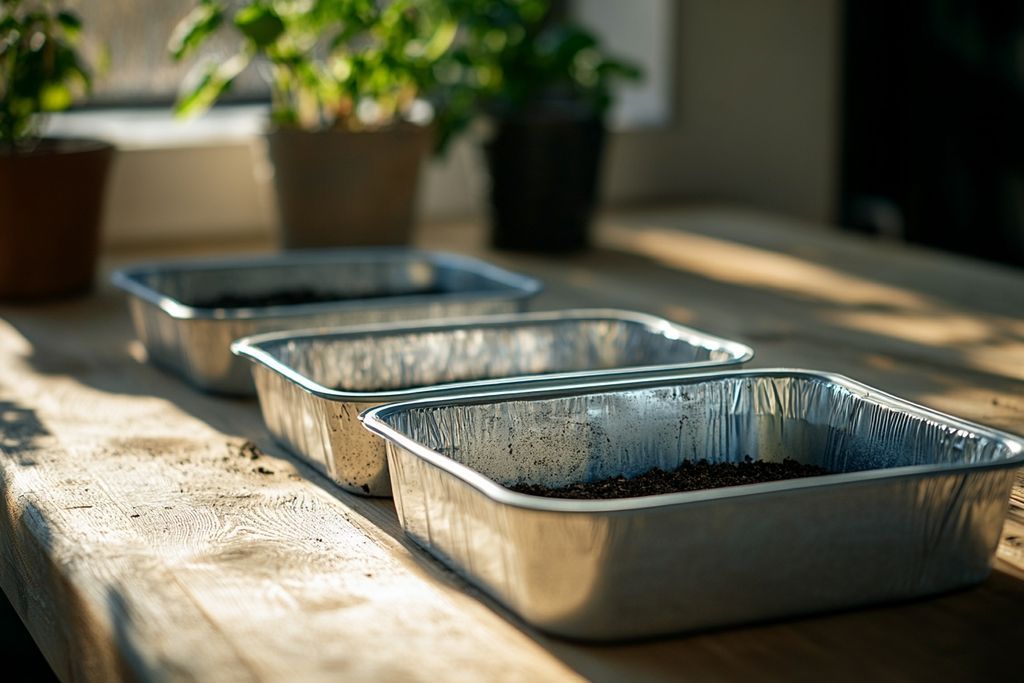
The month of February is a decisive period for gardeners who wish to optimize their vegetable garden for the coming year. Although the climate can still be cold, certain gardening activities are essential to prepare the ground. It is the perfect time to plan your crops, choose the right seeds, and start the first sowings. The actions taken now can greatly influence the quality and quantity of fruits and vegetables you will harvest later in the year.
In February, your vegetable garden is preparing to welcome new plants. The soil slowly awakens, ready to receive the first sowings. During this period, sowing seeds carefully is essential to ensure an abundant harvest. The first fruits of your labor will appear on the horizon of spring, when your efforts bear their first results. Take the time to observe, adjust, and plan; every gesture counts to transform your space into a haven of greenery. By cultivating with passion, you are on the path to a season rich in discoveries and flavors.
Choosing and preparing your garden soil in February
🌟 Advantages
- Gradual awakening of biodiversity
- Time gain on June harvests
- Cleaning tools before the rush
🔍 Considerations
- Risk of sudden black frosts
- Soil often too waterlogged
To begin, it is essential to properly assess and prepare the soil of your garden. Test the quality of the earth, and enrich it if necessary, in order to provide a fertile environment for the plants. This includes adding compost or well-decomposed manure, which will improve the soil structure and provide the necessary nutrients for the crops. Preparing the ground as early as February allows gardeners to sow directly in open ground certain cold-resistant species such as potatoes, once the risk of frost has passed.
📋 Key points: Personally, I consider February to be the pivotal month when 60% of gardeners make the mistake of starting too early in open ground. My opinion is that patience pays off more than haste in the face of late frosts. It is the ideal time to start your first sowings indoors, at a constant temperature of 20 degrees.
Selecting suitable crops and starting sowings under cover

It is also the time to wisely choose your crops. Depending on your region, certain plants will be more suited to thrive than others. Vegetables such as cabbages, which can be started under shelter, are an excellent option to begin your plantings. Potatoes, hardy and low-maintenance, can also be prepared for later planting. Consider starting the seedlings of some flowers and vegetables, like tomatoes, under heated shelter to ensure they are ready to be transplanted in spring. This will allow you to obtain early and vigorous crops.
- Soil: Test and improve fertility.
- Seedlings: Start under shelter to protect from frost.
- Hardy vegetables: Favor cabbages, potatoes.
- Flowers: Start sowing resistant varieties.
- Fruit trees: Prune and prepare plantings.
🗣️ My experience: In my garden in Brittany on February 12, 2024, I lost my entire radish harvest because I had neglected the winter cover costing 15 euros. A temperature drop to -4 degrees was enough to destroy everything overnight. The lesson learned is that thermal protection is non-negotiable before the official spring.
These activities in February, although requiring initial effort, are crucial to ensure the health and productivity of your vegetable garden. By taking care of the preparation now, you will be well positioned to enjoy the fruits of your labor throughout the year.
For further insight, I recommend rereading the advice on the vegetable garden in January which lays the foundations. The guide on the vegetable garden in March also provides useful tips for what follows. And to go even further, making your own hydroponic fertilizer offers interesting insights on plant nutrition.
Planting techniques to optimize your vegetable garden in february
In February, preparing seedlings is crucial to ensure the success of your vegetable garden. It is recommended to start with plants that tolerate the cold of winter well. The choice of species to sow largely depends on your region, as the climate can strongly influence the growth of seedlings. For those living in colder areas, using a shelter such as a greenhouse can protect young plants from late frosts. Cabbage seeds, for example, can be started under shelter to be transplanted into soil as soon as the climate allows.
This time of the year is also ideal for enriching the soil of your garden. Adding well-decomposed compost or manure can improve the soil structure and provide essential nutrients for your future crops. Testing the soil pH can help you determine the necessary adjustments to optimize the growth of your fruits, vegetables, and flowers. Proper preparation now will ensure the health and productivity of your plants throughout the spring and summer.
February Seed & Compost Calculator
Estimate seedling pots or seed compost volume needed for February indoor starts.
Maintenance and protection of crops during the prolonged winter

For gardeners facing a prolonged winter, it is essential to protect existing crops and new plantings. Protections such as winter covers or cloches can safeguard your plants from climate hazards. It is also practical to use mulches to cover the soil, which helps maintain soil temperature and prevent root freezing. These methods contribute to a smooth transition to the warmer season and prevent potential damage caused by unexpected frost.
As part of maintenance, regularly check the condition of your gardening tools and equipment. Well-maintained tools are essential for efficiently carrying out all necessary work in your garden. Make sure that greenhouses or other shelter structures are in good condition to protect your plants until the frost risks are gone. This attention to detail will ensure that your winter work bears fruit in the following months.
| Crop | Type of sowing | Depth (cm) | Germination time (days) |
|---|---|---|---|
| Pink garlic | Open ground | 3 | 20 – 30 |
| Broad bean | Open ground | 5 | 10 – 15 |
| Pea | Under tunnel | 3 | 12 – 18 |
| Radish | Under cold frame | 1 | 4 – 7 |
| Carrot | Under cover | 0.5 | 15 – 20 |
🌍 Did you know? In February, the day length increases by about 3 minutes per day, which physiologically triggers the awakening of microbial life in the top 5 centimeters of soil.
Water management in winter for a healthy vegetable garden
Irrigation during the cold months can present challenges, especially if you have already installed a watering system. It is crucial to ensure that your system does not freeze and cause damage to pipes or water emitters. Moderate watering, adapted to the reduced needs of plants in dormancy, is essential.
Selecting appropriate tools for winter work
Using tools suited to winter conditions can greatly facilitate work in your garden. Favor robust and frost-resistant tools, and make sure they are well cleaned and oiled after each use to prevent rust and premature wear.
The importance of planning for vegetable garden success throughout the year
Having a clear plan for your garden will allow you to maximize the use of space and resources throughout the year. This includes crop rotation, planning successive sowings, and preparing the soil between each crop. Good planning will help you avoid common mistakes and achieve a bountiful harvest.
⚠️ Common mistake: Watering in the evening thinking it helps young seedlings under cover. Stagnant water drastically cools the soil at night, causing damping-off in 80% of cases in February.
Summary of strategies for a thriving vegetable garden in February and beyond
To maximize the potential of your garden, February offers a valuable opportunity to prepare, plan, and protect your crops. Adopting techniques suited to your region and current climatic conditions, as well as taking necessary precautions against the cold, are essential to ensure the health and productivity of your vegetable garden. By continuing these efforts, you secure a strong start for the upcoming growing season while minimizing risks related to unexpected weather events. Your perseverance and attention to detail now will significantly increase your chances of success in your gardening endeavor.
💡 Practical tip: Open your cold frames and greenhouses as soon as the outdoor temperature exceeds 8 degrees during the day to renew the air and prevent the development of fungal diseases.
FAQ: Succeeding with your vegetable garden in February
Which varieties of vegetables can be sown in February?
In February, you can start sowing tomatoes under cover. This will allow you to anticipate the season and obtain robust seedlings for spring.
How should I prepare my vegetable garden soil before the first sowings?
It is advisable to turn the soil and incorporate well-decomposed compost. This improves soil structure and enriches the nutrients needed for future plantings.
Can I plant fruit trees this month?
Yes, this is a good time to plant fruit trees, especially those that are bare-rooted. Make sure to choose a sunny and well-drained location to promote their growth.