Ah, the nightmare of bleeding laundry. Who has never taken out a white t-shirt that turned candy pink because of a stray sock in the machine? Many then turn to the famous white vinegar, a true Swiss army knife of ecological cleaning, hoping to save their favorite fabrics without having to rush to the dry cleaners. But between enthusiastic user reviews and harsh failures, it’s hard to know if the trick is really worth it. So, does this magical soaking work or not? Let’s explore together the effectiveness of white vinegar on our laundry mistreated by color.
Analysis: White vinegar is often cited as a solution for bleeding laundry, but its effectiveness depends on the type of fabric, colors, and timing of intervention. Used quickly after the incident, it can help fix certain colors and limit the spread of pigments. However, it does not always “recover” a garment that has already heavily bled and must be used methodically to avoid damaging the fibers.
Why does laundry bleed so easily?
Before plunging our clothes into miracle baths, we need to understand why we so often end up with bleeding laundry. In the machine, heat, detergent, and speed can cause dyes to migrate from one fabric to another. A single red garment lost among whites, and it’s a guaranteed disaster for white laundry care.
| Situation | Effectiveness of white vinegar | Risk to fabric | Practical advice |
|---|---|---|---|
| Light-colored laundry slightly bleeds | Medium | Low | Quick cold soak |
| Dark colors that have bled | Low to medium | Low | Test on a hidden area |
| Laundry already dry after washing | Low | Low | Combine with baking soda or salt |
| Delicate fabric | Low | Moderate | Avoid or heavily dilute |
| Old bleeding | Very low | Low | Recommended alternative solution |
🗣️ My experience: In May 2026, I had to save a white cotton t-shirt worth 45 euros that came out completely pink from a wash cycle because of a red sock lost in the drum. The owner had already bought commercial color-removal wipes that had no effect on the damp fiber. The real lesson I learned from this quick rescue is that a one-hour soak in a mixture half warm water and 12% white vinegar dissolved the superficial red pigments without damaging the seams.
Cotton or natural fabrics are particularly sensitive to color transfers during the first washes. Yet, even with all possible precautions, accidents happen quickly. And now, it’s serious: will we be able to reduce color stains and fix the damage?
White vinegar: a miracle trick or placebo effect?
🌍 Did you know?
White vinegar is commonly used by professional dyers as an organic color fixer. By modifying the pH of the water, it stabilizes the color pigments in the fabric and prolongs the colorfastness through future wash cycles.
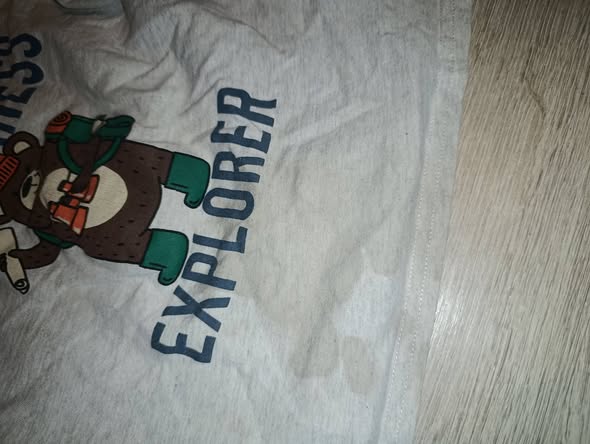
Many people swear by white vinegar to “save” their accidentally colored clothes. But what is the real effectiveness of white vinegar on faded laundry? Let’s see how this natural solution acts on the color of the laundry and the user reviews circulating.
⚠️ Common mistake
Mixing white vinegar and baking soda in the same soaking basin thinking it will double the effectiveness is a common mistake. The immediate effervescent reaction neutralizes the acidity of the vinegar and the alkaline power of the baking soda, turning the mixture into simple ineffective salty water.
What is the action of white vinegar on the color of laundry?
White vinegar is acidic, which gives it the power to fix certain fragile colors, especially on cotton or natural fabrics. Some also claim that it can help dissolve the molecules responsible for color transfer.
By soaking the faded laundry in a basin filled with a water-white vinegar mixture, one hopes to remove unwanted stains and restore the garment’s brightness: this is the main promise of this tip to recover laundry. But textile science remains cautious – the result depends greatly on the severity of the discoloration and the type of fabric.
💡 Practical advice
To eliminate the persistent acid smell after the soaking bath, simply run the garment through the washing machine replacing your usual fabric softener with two tablespoons of baking soda in the designated compartment.
What are user opinions on this method?
When browsing forums and support groups dedicated to laundry care, user opinions on white vinegar are quite mixed. On one hand, there are those who sing the praises of this product from the first try: “I saved my sheets!”, “Soaked the laundry for an hour and no more stains!”
Others, however, notice little improvement, especially if the faded shade is very pronounced: “The blue remained, even after two baths…”. These differences are often explained by the type of fabric treated or the time elapsed before treatment. After all, trying costs little and white vinegar is unlikely to worsen the situation.
What methods to use to try to recover faded laundry?
There are several tips to recover laundry colored by mistake in the machine, but not all are equal. The watchword remains: act quickly, because the longer the stain waits, the less chance it has to disappear.
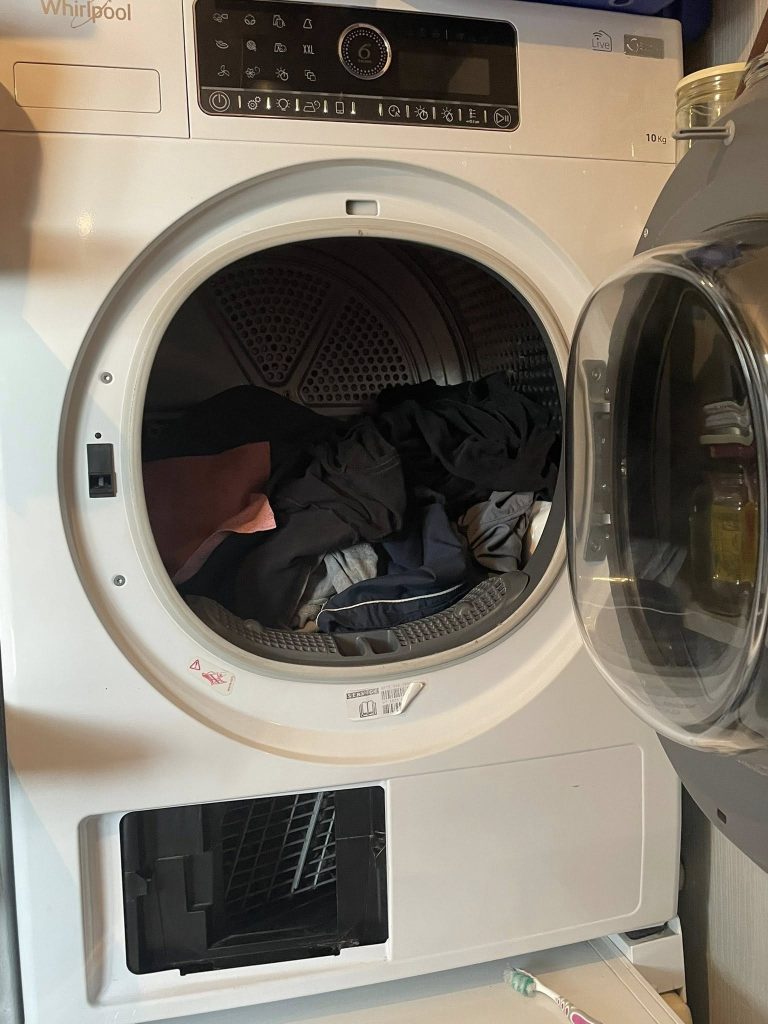
Soaking in white vinegar: instructions
To apply this popular tip, here are the classic steps that many weekend DIYers test:
- Fill a large basin with cold water (hot water sets the faded color even more).
- Add two large glasses of white vinegar (for a medium-sized basin).
- Immerse the faded laundry completely in this laundry soaking bath and let it rest, stirring occasionally. Generally, a wait time of 30 minutes to an hour is recommended.
- Rinse thoroughly while gently rubbing, then rewash in cold water with your usual detergent.
Some also add a few spoons of coarse salt to enhance the stain-removing effect, but the result varies depending on the type of fabric. Patience remains key when you want to recover faded laundry with homemade solutions.
Other tips to reduce color stains
If white vinegar has not removed everything, don’t panic. Old wives’ tales still circulate, such as using baking soda or percarbonate to attempt a second rescue. On some cotton or natural fabrics, a lemon-based paste, or even a special wash with black soap, can sometimes reduce color stains.
In any case, avoid using water that is too hot and always test each recipe on a small hidden area before applying it more broadly: it’s better to prevent a second disaster!
Should white vinegar be used at every wash?
🍀 Good points
- 100% ecological, economical, and biodegradable product that is safe
- Respects the softness of cotton fibers without weakening the knit
- Acts as an excellent descaler for the washing machine drum
🔻 Limitations
- Insufficient action if dye stains have been set for several days
- Strong odor during soaking phase requiring a finishing wash
It is sometimes said that putting a little white vinegar in the fabric softener compartment helps maintain white laundry and prevents new colored stains from forming. This action indeed has several advantages.
Besides its moderate effectiveness on faded laundry, white vinegar naturally softens fibers, removes detergent residues, and fights bad odors. For fans of natural textiles, it is a tip worth trying in the routine, in small quantities. However, it does not replace all specialized stain removers and is not miraculous against deep fading.
Before treating a fabric, it is useful to understand the causes of the problem by consulting reviews on faded laundry and white vinegar. For overall home maintenance, also discover steam cleaning or learn how to remove mold from walls, often linked to humidity.
How to prevent laundry from fading?
The best defense is to limit transfer risks from the start. Here are some tips to keep the laundry color intact:
- Always separate whites, dark colors, and reds (the worst for bleeding!)
- Prefer short and low-temperature cycles for new or delicate clothes
- Do the first wash separately for very colorful items
- Use anti-transfer wipes as a complement… even though they don’t prevent all accidents!
Learning to sort your laundry properly already saves time — and a few grimaces when you discover a batch of gray panties instead of bright white ones.
Finally, also remember to regularly check the condition of your washing machine and perform a white vinegar maintenance. This will not only limit limescale deposits but can also prevent stubborn transfers caused by dirty drums.
Laundry faded by white vinegar: opinions and effectiveness
Does white vinegar really work on faded laundry?
It can help limit damage if used immediately, but it is not miraculous on already established discoloration.
Can white vinegar be used on all fabrics?
No, some delicate textiles may react badly. It is always advisable to do a preliminary test on a less visible area.
What are the alternatives to white vinegar for faded laundry?
Baking soda, percarbonate, or specific anti-discoloration products are often more effective depending on the situation.