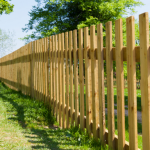
Exterior facade cladding, wood siding is increasingly common in house construction. Indeed, it is an economical, ecological, and aesthetic solution, strongly supported by current regulations promoting biological materials. It features many advanced techniques and installation forms. Discover some advantages offered by a cladding such as wood siding.
📋 Key takeaway: Personally, I consider wood siding the ultimate solution to reduce thermal losses of a facade by up to 25%. For me, it is an option that combines ecological performance and natural aesthetics. This thermal shield not only insulates but also durably protects your house structure against weather conditions.
How to effectively use wood on facades?
Today, technological advances in the building world provide several facade construction options. Adored and used by many architects, wood has a wide variety of benefits and shades, depending on its species and treatments applied.
🌍 Did you know? Wood is the only construction material that stores carbon instead of emitting it. Using wood siding for your house can trap about 1 ton of CO2 for every cubic meter of wood used.

This facilitates the design of complex structures, the erection of large buildings, and the creation of facades. With wood siding, it is possible to have unique shapes that bring a real visual identity to the construction. You can see exterior wood siding projects to get an idea of their aesthetic appearance.
📍 My experience: During the renovation of a mountain house in 2023, I chose larch siding installed over rock wool insulation. I noticed a reduction of 450 euros on my heating bill from the very first winter. The lesson learned is simple: never neglect the quality of rodent-proof grids at the bottom of the siding to avoid unpleasant surprises.
Wood in architecture: a solution regulated by legal provisions
According to the Grenelle 2 law, laws regulating the exterior appearance of buildings cannot oppose the use of bio-sourced equipment such as wood. Several plans regulate the design of a building.
These include local urban planning plans (PLU), land use plans (POS), zoning plans, as well as subdivision regulations.
These plans can in no case refuse the prior use of bio-sourced materials on facades. The only case where this is possible is when the construction is located in a preserved, protected, or classified area.
⚠️ Common mistake: Forgetting to leave a ventilated air gap between the insulation and the siding. Without this air circulation, moisture stagnates, the wood rots prematurely, and the insulation loses all its thermal efficiency.
Exterior wood cladding: What should you understand?
Wood cladding is a form of exterior covering. It consists of solid wood boards, either profiled or not, shingles, as well as panels made from engineered wood. It serves to protect the building from the elements and to reduce heat loss.
One of the major advantages of wood cladding is that its installation can be done over an external insulating structure, while it also possesses insulating properties itself. This family of cladding offers a wide variety of choices, with many types each having their own specific characteristics.
To delve deeper, I recommend discovering the best exterior insulation which complements this topic well. Choosing a saturator according to the wood species also provides useful guidance. And to go further, knowing which type of cladding to choose offers interesting insight.
Wood boards
Wood board cladding is made up of different layers of solid or laminated wood, placed side by side. The ends can be planed or left rough. Moreover, many board models exist depending on the type of installation chosen and the building’s architecture. These models are designed to improve water runoff and to prevent any risk of mold.
Wood panels

Wood panel cladding offers a quick and original solution to dress a building. It comes in two main categories, namely plywood and three-ply. The first is made of thin compressed wood layers and the second is formed by three thick layers of wood.
| Wood species | Durability class | Average price per m² | Maintenance required |
|---|---|---|---|
| Douglas | Class 3 | €35 | Low to medium |
| Larch | Class 3 | €45 | Low |
| Red Cedar | Class 4 | €85 | Very low |
| Spruce (treated) | Class 3 | €25 | Regular |
Shingles or shake shingles
Shingles or shake shingles are beveled wooden tiles obtained by sawing or splitting. Used for centuries as an architectural element, shingles are appreciated both for facade cladding and roofing, in France as well as in other parts of the world.
The wood species used for their manufacture are oak, larch, spruce, chestnut, and douglas fir. Shingles are advantageous options in many respects:
- Lightweight and durable: their low weight facilitates transport and replacement during possible renovations.
- Affordable cost: made from wood, a readily renewable and abundant resource, shingles are an economical and environmentally friendly option.
- Aesthetic: offering true natural coverage, wooden tiles bring a unique and attractive architectural style to any building that features them.
💡 Tip: Use exclusively stainless steel screws or nails (A2 or A4 stainless steel). Traditional fasteners rust when exposed to moisture and the wood’s tannin, leaving unsightly and permanent black streaks on your facade.
What are the advantages of wooden cladding?
🌟 Positives:
– Exceptional thermal performance
– Bio-based and renewable material
– Increased property value
🔍 Considerations:
– Higher initial cost than plaster
– Change in visual appearance
– Maintenance required if gray is not desired
There are many reasons why wood is favored as a facade material. First of all, wooden cladding gives the building a distinct visual identity, making it easily recognizable. Its simple and quick installation is an additional advantage.
Indeed, it is often enough to add cladding to the walls or structure of the building to complete the exterior look of the construction.
Moreover, wood is not chosen at random, as it is an extremely versatile material. It adapts to all installation configurations, structures, and situations, offering builders and architects several creative options.
Another crucial point is that wooden cladding is one of the most environmentally friendly building materials, both in its design and use. The wood supply chains used to produce cladding are subject to strict rules regarding cultivation and production.
These ensure the sustainability of both the environment and the material itself. In terms of carbon emissions, wood cladding is among the lowest emitters of CO² during construction. It is also very effective thermally for protecting the building.
Wood cladding, a trend in energy renovation
Exterior cladding & insulation budget estimator
Estimate overall material budget including insulation layer based on facade surface.
Total cladding needed (8% cutting waste):
m²
Estimated total material expenditure:
$
The RE2020 (environmental regulation dedicated to the construction sector), in effect since January 1, 2022, primarily aims to reduce greenhouse gas emissions in the building sector. This provision now makes the use of Life Cycle Analysis (LCA) mandatory when evaluating a building’s environmental performance.
Life Cycle Analysis (LCA) relies on Environmental and Health Declaration Sheets (FDES) to enable optimization of choices during construction projects. An approach favoring the use of natural materials, such as wood and wood cladding, is therefore preferred to meet ecological challenges. Likewise, this helps contribute to reducing carbon emissions in the building sector.
The FDES include about thirty indicators that assess the environmental impact of construction materials.
This concerns their contribution to global warming, their consumption of renewable and non-renewable energy, as well as their impact on water and air pollution and the circular economy. Among concerns regarding wood cladding, it is imperative that they are manufactured in France, justified by several beneficial reasons:
- Reduction of CO² emissions;
- Support for local ecology;
- Support for the local economy.
It is essential to emphasize that wood and biomass products naturally contain carbon. Thanks to the process of photosynthesis, wood captures and stores CO2 which it traps within its structure.
In conclusion
Wood cladding is a fairly commonly used facade covering solution today. It offers an aesthetic, functional, and ecological alternative for dressing building facades.