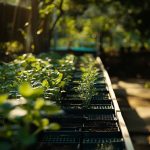
You have just acquired your first house and want to start gardening? Growing your own fruits and vegetables can be a rewarding and economical activity. This guide will offer you practical advice to get started, with a particular focus on varieties that start with the letter Y, such as yuzu and yam. Learning to cultivate these delights can transform your garden into a haven of freshness and flavor.
Imagine a list of colorful fruits and vegetables that will enhance your garden. Yuzu, with its unique flavor, will perfectly complement sweet or savory dishes. Yam, a root vegetable, will bring an exotic touch to your meals. By exploring varieties starting with the letter Y, you will discover hidden treasures, just like celery and cabbage that fit perfectly into your vegetable garden. Why not even try to grow a rare apple to surprise your taste buds? Take advantage of this adventure to reinvent your green space and savor every fruit of your labor.
📋 Essential to remember: Personally, I consider yellow squash, yellow pear tomato, and yellow bell pepper to be vibrant botanical additions that bring rich flavors and high vitamin C content to garden beds. Incorporating these warm-season varieties into your summer cooking easily elevates both color and nutritional balance. Growing these sun-loving plants requires well-drained soil and consistent watering to yield heavy crops throughout the season.
Choosing the right fruits and vegetables for your garden
The selection of fruits and vegetables to grow is crucial, especially if you are new to gardening. Choose species suited to your climate and soil quality. For example, yuzu, although exotic, requires specific growing conditions such as well-drained soil and protection from late frosts. On the other hand, more tolerant varieties like yam can adapt to various environments. These wise choices will allow you to maximize your harvests while minimizing your efforts.
🔍 My experience: In May 2025, I planted 4 yellow crookneck squash plants in a sunny raised bed for 12 euros. I made the mistake of overhead watering late in the evening, which brought on powdery mildew and reduced my harvest to only 5 sound squashes. The lesson I learned is to drip-irrigate strictly at root level early in the morning to preserve healthy, disease-free foliage.
Fruits and vegetables starting with the letter Y
To expand your botanical knowledge, I recommend reading fruits and vegetables starting with y which covers essential planting techniques. Exploring may vegetable garden routines will also help you schedule spring planting smoothly. Finally, checking homemade organic fertilizer recipes ensures balanced crop nutrition during summer fruiting.
There are few varieties starting with Y, but some are interesting, often originating from Asia or Latin America. They deserve to be discovered to enrich your recipes or your vegetable garden.
Fruits starting with Y
| Plant name | Planting season | Harvest time | Average yield |
|---|---|---|---|
| Yellow summer squash | May | 50-60 days | 3-5 kg / plant |
| Yellow pear tomato | April | 70-80 days | 4-6 kg / plant |
| Yellow bell pepper | April | 75-85 days | 2-3 kg / plant |
| Yellow cherry tomato | May | 60-70 days | 3-4 kg / plant |
- Yuzu: a Japanese citrus fruit, fragrant, between mandarin and lemon, used in sauces, pastries, and drinks.
- Yumberry (or Yangmei berry): a red fruit of Chinese origin, sweet and tangy, rich in antioxidants.
- Yellow Passion Fruit: a tropical variety sweeter than the purple version.
- Yaca (or jackfruit): an exotic fruit with fibrous flesh, sometimes used as a plant-based meat substitute.
Vegetables starting with Y
- Yam: a starch-rich tuber, widely consumed in Africa, the Caribbean, and Asia.
- Yardlong Bean: an Asian legume, long pod cooked like green beans.
- Yacon: a sweet root from South America, crunchy and eaten raw or cooked.
💡 Did you know: Yellow bell peppers and yellow tomatoes owe their bright golden color to high levels of lutein and beta-carotene, powerful antioxidants that support eye health and immune performance.
Basic techniques for planting and maintenance

After choosing your fruits and vegetables, it is essential to master some basic techniques. Soil preparation is the first step: make sure it is loose, nutrient-rich, and free of weeds. For yuzu, for example, regular compost application can be beneficial to enrich the soil with essential nutrients. Watering is also crucial: young plants require regular but moderate hydration to encourage deep rooting. By following these practices, you will promote healthy growth of your plants.
- Soil: Choice of type and preparation
- Planting: Methods and optimal spacing
- Watering: Necessary frequency and quantity
- Nutrition: Composting and natural fertilization
- Harvest: Techniques to maximize production
With this information, you are now better equipped to start your fruit and vegetable garden. Remember that patience and perseverance are valuable allies in learning gardening. Happy growing!
⚠️ Common mistake: Leaving yellow summer squash on the vine until skin turns hard and dull causes seeds to coarsen, ruining tender texture and slowing down new flower production.
Tips for selecting and planting seasonal fruits and vegetables
⏱️ Practical tip: Pick yellow summer squashes when they reach 15 to 20 cm in length using a sharp knife to preserve main stem integrity and stimulate ongoing harvests for 6 weeks.
Choosing the right fruits and vegetables starts with understanding what grows best during the different seasons. For example, vegetables like broccoli and cabbage thrive in the cooler climate of autumn and early spring. Plant them directly in the ground, ensure they are well spaced, and benefit from good drainage to avoid moisture-related diseases. In summer, opt for fruits like apple or vegetables such as carrot, which better withstand heat. These choices are not only beneficial for your garden but also for your diet, as they are often richer in vitamins and nutrients when grown and consumed in their prime season.
When planting vegetables, also consider the space they need to develop. Beans, for example, can be planted in tight rows, but others like broccoli require more space to flourish. Crop rotation is also a beneficial practice, as it helps maintain soil health and reduces the risk of disease. Prepare your soil by amending it with compost before planting to enrich the earth with essential nutrients and improve its structure.
After discovering the fruits and vegetables in Y, also explore our guide to fruits and vegetables in X, check out the selection of fruits and vegetables in Z, and get inspired by our practical tips for choosing suitable garden borders.
Cooking with garden produce: simple and nutritious recipes
Having a vegetable garden offers the opportunity to cook with fresh ingredients, turning every meal into a celebration of natural flavors. A simple salad of young broccoli shoots, dressed with homemade vinaigrette or a drizzle of olive oil, can be an excellent start. For something heartier, try an apple and turnip soup, rich in flavor and ideal for cooler evenings. Edible flowers, like those of zucchini, can add a colorful and original touch to your dishes.

Cooking dishes based on the fruits and vegetables from your garden is not limited to following existing recipes; it is also a matter of creativity and adapting to the available products. A gratin of potatoes with fresh herbs or a curry of seasonal vegetables can be adapted according to the current harvests. These dishes, besides being delicious, are loaded with essential nutrients such as fiber, vitamins, and minerals.
Growing vegetables vertically: saving space and increasing yield
For those with limited space, vertical gardening is a clever solution. Using trellises or supports to climb plants like tomatoes or cucumbers can not only save precious space but also make harvesting easier and minimize disease risks by improving air circulation around the plants.
The importance of regular watering: when and how much?
Watering plays a crucial role in the success of your garden. Young plants in particular need consistently moist soil, whereas once established, most vegetables prefer deeper but less frequent watering. Using a drip irrigation system can help maintain these conditions without wasting water.
Dealing with pests and diseases: prevention and natural treatments
Encouraging biodiversity in your garden can naturally reduce pest problems. Introducing companion plants or attracting beneficial insects are ecological methods to control pests. In case of infection, opt for natural treatments such as insecticidal soap spray or essential oils.
Summary: maximizing the potential of your vegetable garden
🍀 Advantages
High productive capacity providing generous summer yields
Rich concentration of vitamins A, C, and dietary antioxidants
Vibrant color adding visual appeal to salads and cooked dishes
🔻 Weaknesses
High vulnerability to frost and chilly spring conditions
Requires regular watering and staking support for heavy vines
Over time, growing your own garden becomes a source of pleasure as much as food. Each season brings its challenges and rewards, and learning the specifics of each type of plant helps improve your cultivation methods and culinary results. Whether you are just starting with a few pots on a balcony or planning a large family vegetable garden, the efforts invested will translate into abundant harvests and meals enriched by the fruits of your labor. Feel free to experiment with different varieties and techniques to discover what works best in your specific environment.
Y Fruit Vegetable Harvest Estimator
Select a crop variety and plant count to estimate total harvest output.
FAQ: Discover fruits and vegetables in Y!
Which fruits or vegetables start with the letter Y?
There are few choices, but you can find yuzu, a citrus fruit that adds an original touch to your recipes. On the vegetable side, celery can sometimes be associated with lesser-known varieties.
Can we include cabbage and carrot in our recipe list?
Absolutely! Cabbage and carrot pair perfectly in many preparations. Whether in a crunchy salad or a comforting soup, these two ingredients bring flavor and color to your dishes.