April is a crucial month for gardening enthusiasts looking to optimize the productivity of their vegetable garden. It is the ideal time to start sowing, planting, and preparing the soil. For those new to gardening, this time of year offers an excellent opportunity to learn and apply simple techniques to ensure a good harvest.
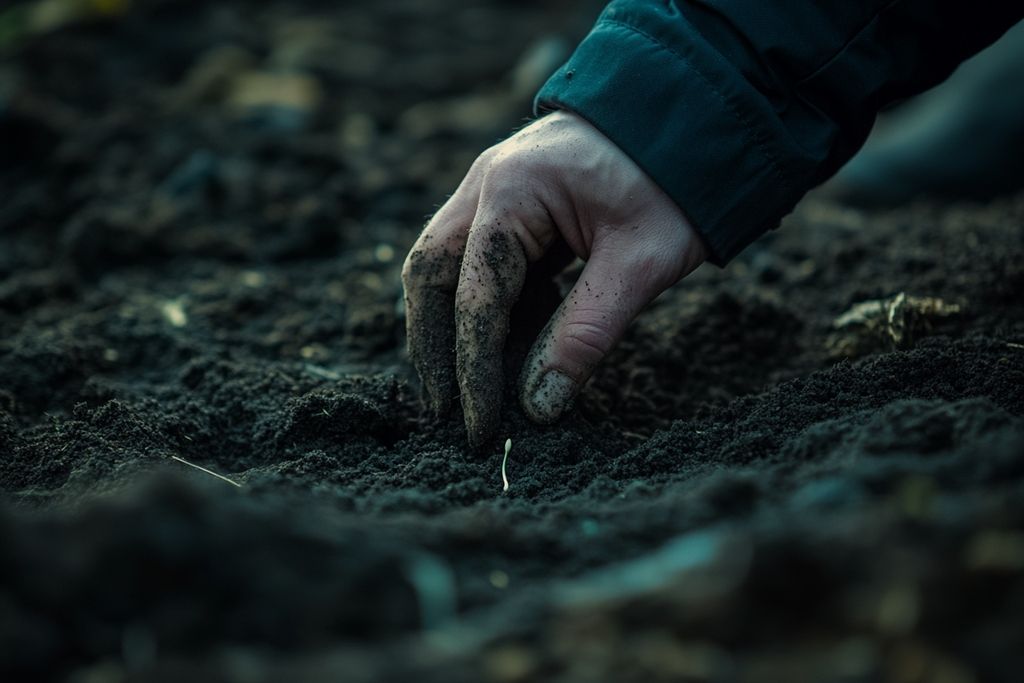
April is the perfect time to enrich your vegetable garden and maximize its potential. You can start your seedlings directly in the ground, especially with cabbages that appreciate this mild climate. Be sure to prepare your garden well by aerating the soil and adding compost. Don’t hesitate to sow and plant a variety of seasonal vegetables; this will ensure diversity and abundance in your harvests. Sow carefully to guarantee good germination, and enjoy every moment spent cultivating your passion.
📋 The essentials at a glance: Personally, I consider April to be the pivotal month when 40% of gardeners make the mistake of planting tomatoes too early. My opinion is that patience through the ice saints remains your best ally. This year, I recommend focusing on direct sowing of root vegetables to ensure an abundant harvest starting in July.
How to start your vegetable garden in April?
🌟 Advantages
- Accelerated growth
- Maximum diversity of seedlings
- Facilitated soil work
🔍 Considerations
- Unstable weather (showers)
- Increased frost monitoring
April often symbolizes renewal in the garden. To start well, it is essential to prepare the soil by digging and adding compost to enrich it. It is also the perfect time to begin sowing many vegetables, such as cabbages, lettuces, and potatoes. Sow directly or in a nursery depending on the species. Make sure the last frosts have passed before planting outdoors. Fragile plants may require shelter, such as a tunnel or a cold frame.
🗣️ My experience: In April 2025, I wanted to plant my first zucchinis without protection after a week of strong sunshine. An unexpected night frost of -2 degrees was enough to burn all my plants within an hour. The lesson learned is that a protective cloche costing 10 euros is an essential investment until mid-May.
Best practices for a thriving vegetable garden
Once your seedlings are done, it is crucial to maintain a good climate around your plants. Regular watering, without excess, and protection against insects and diseases will help your plantations develop healthily. In April, also monitor the growth of weeds and intervene quickly so as not to let unwanted plants take over your vegetables. Finally, consider crop rotation to optimize space and prevent soil diseases. Crops such as asparagus, peas, or various types of flowers and flower cabbages can be considered to diversify your garden.
- Sowing: Which vegetables to sow in April? Cabbages, peas, lettuces.
- Planting: The best techniques for planting asparagus and potatoes.
- Ornamental garden: Introducing flowers to beautify your green space.
- Climate management: Protect your crops from the last cold spells.
- Maintenance: Manage watering and fertilization for optimal growth.
To review the previous steps, I recommend rereading the guide on the vegetable garden in March which lays the foundations. The file on the vegetable garden in May will also give you useful tips for what’s next. Finally, to feed your young shoots, making your own hydroponic fertilizer provides interesting insights.
Choosing and planting seasonal vegetables
In April, the vegetable garden transforms. It is the ideal time to plant a variety of vegetables that will thrive during the spring and summer. Cabbages, for example, can be planted now for a later harvest. It is also time to think about flowers that can help attract pollinators to your garden. To optimize your space and improve the fertility of your soil, consider practicing crop rotation. This involves not planting the same vegetables or those from the same family in the same place each year. This technique helps reduce pest and disease problems and improves soil structure.
Regarding plants, introducing lettuces, which grow quickly, can provide you with a continuous harvest throughout the season. The climate in April can still be a bit unpredictable, so setting up a shelter, like a plastic tunnel, can protect your plants. This is particularly important for fruits such as strawberries which can be affected by late frosts. Finally, do not neglect maintenance tasks such as mulching, which helps retain soil moisture and combat weeds.
🌍 Did you know? In April, earthworm activity increases by 30% compared to March. These natural allies freely till your soil and improve its water retention capacity.
Monitoring and maintenance of the vegetable garden in April
The activity does not stop after planting your vegetables. Regular monitoring is crucial to ensure good plant growth. April requires particular attention to signs of diseases or harmful insects. Regularly inspect your plants, especially after rain, as moisture can promote the appearance of fungal diseases. If you discover problems, act quickly to apply the appropriate treatment, whether chemical or natural.
Watering must also be adjusted according to weather conditions. Early in the season, young plants need consistently moist soil to root well. However, excess water can be harmful and promote certain diseases. If possible, install a drip irrigation system for optimal watering. Finally, weeding is a continuous task that should not be neglected, as weeds compete with your crops for nutrients and water.
💡 Practical tip: For your carrot seedlings, mix your seeds with fine sand (ratio 1:3). This allows for a more spaced sowing and will save you the tedious step of manual thinning.
April Sowing & Seed Calculator
Estimate seed potatoes or carrot seed quantities for your April garden beds.
When to harvest your first vegetables?
Some varieties of vegetables, such as radishes or certain lettuces, can be ready to harvest just a few weeks after planting. Monitor growth and start harvesting as soon as the vegetables reach a suitable size; this will also encourage new growth and continuous production.
| Crop | Sowing method | Soil temperature | Estimated harvest |
|---|---|---|---|
| Radish | Open ground | 12°C | 4 weeks |
| Potato | Planting | 10°C | 3 months |
| Zucchini | Under shelter | 18°C | July |
| Beetroot | Open ground | 15°C | August |
| Lettuce | Open ground | 12°C | 6 weeks |
⚠️ Common mistake: Planting your potatoes in soil that is too cold (below 10°C). This does not save time; on the contrary, the tuber risks stagnating and developing fungal diseases before sprouting.
Protecting young plants against late frosts
Even in April, the risk of late frosts cannot be ruled out. Make sure to protect your young plants with frost cloths or cut plastic bottles if a temperature drop is forecast. Adequate protection can make the difference between a successful harvest and significant losses.
Managing a vegetable garden in April: continuous enrichment for the modern gardener
Managing a vegetable garden during the month of April is not just about planting and maintenance; it is also a continuous learning process. Each day brings its share of discoveries and challenges, thus enriching the gardener’s experience. By following these tips, you are better prepared to maximize your garden’s productivity and enjoy the fruits of your labor throughout the season. Growing your own garden is also about cultivating patience and know-how. Do not hesitate to experiment with different types of crops to discover what works best in your specific environment. Happy gardening!
FAQ: Vegetable garden in April, spring at your fingertips!
Which vegetables can be sown in April for a flourishing vegetable garden?
In April, you can sow vegetables such as carrots, radishes, and beans. It is the ideal time to start your vegetable garden and enjoy the mildness of spring.
What is the best time to plant cabbages in the garden?
The end of April is perfect for planting cabbages. Make sure to choose a sunny spot in your vegetable garden so they can thrive fully.
How to prepare your vegetable garden to welcome new plantings?
Before sowing or planting, it is essential to properly prepare your soil. Loosen the earth, enrich it with compost, and make sure everything is ready to welcome your future vegetables!