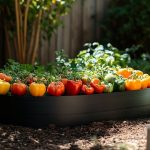
When you are starting out in gardening and want to grow your own vegetables and fruits, it can be wise to begin with simple and rewarding varieties. Vegetables starting with the letter L, such as lettuce and lentil, offer an excellent introduction to productive gardening. These vegetables are not only easy to grow but also very useful in various recipes.
To enrich your gardening experience, why not explore a list of fruits and vegetables that start with the letter L?
📋 The essentials at a glance: The letter L offers us a perfect balance between the lightness of lettuce and the nutritional power of lentils. Personally, I consider these foods to be the pillars of sustainable cooking in 2026. My opinion is that lychee remains the indispensable exotic jewel for your winters. This list will help you master these classics while discovering more resilient local varieties.
Soil preparation and choice of vegetables
Before planting your vegetables, it is crucial to properly prepare the soil. Well-loosened soil, rich in nutrients and well-drained, is essential for the growth of vegetables. You can enrich your soil by adding compost or well-decomposed manure. For beginners, choosing vegetables like lettuce, which grows quickly and can be harvested several times during the season, is an ideal option. Leeks are also an excellent choice because they do not require much care once planted.
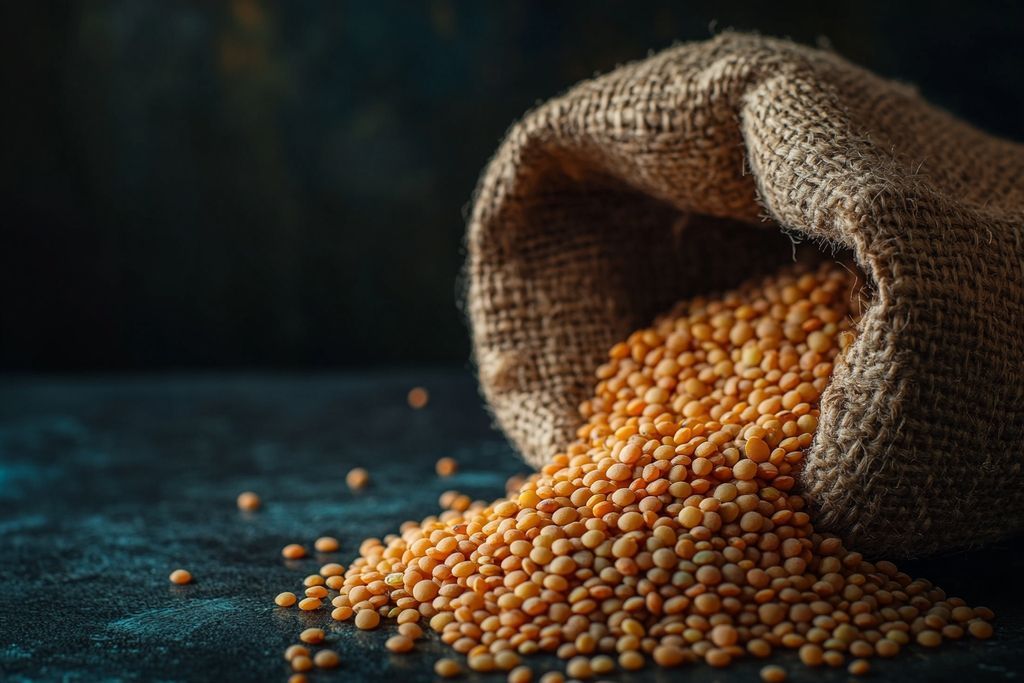
🗣️ My experience: In 2025, I wanted to try growing coral lentils in a small container on my balcony. I was surprised to see how delicate the flowers are, almost like ornamental peas. The harvest weighed only 200 grams, but the taste was incomparable. The lesson learned? For legumes starting with L, even a small home production teaches you to respect the colossal work of farmers to fill our plates.
The letter L opens the doors to a variety of surprising fruits and vegetables, ranging from the classic staples of our plates to lesser-known but equally tasty treasures. Let’s dive into the world of flavors and benefits that the letter L has to offer us, for a culinary exploration that promises to be rich and instructive.
To continue your gourmet alphabet, don’t miss our selections on fruits and vegetables starting with K as well as the complete guide on fruits and vegetables starting with J. If you are looking for growing tips for your salads, the file on the vegetable garden in April is also available to help you succeed with your first spring sowings.
Fruits starting with L: exotic and familiar delights
| Food | Type | Main benefit | Calories (100g) |
|---|---|---|---|
| Lychee | Fruit | Vitamin C / Copper | 66 kcal |
| Lentil | Legume | Proteins / Iron | 116 kcal |
| Lettuce | Leafy vegetable | Hydration / Fiber | 15 kcal |
| Lime (Green lemon) | Fruit | Antioxidants | 30 kcal |
| Bay leaf | Condiment | Digestion | (infusion) |
Lychee, the sweet pearl of Asia
The lychee is undoubtedly one of the most iconic fruits starting with the letter L. Originating from China, this small fruit with red, rough skin hides a white, translucent, juicy, and delicately sweet flesh, sometimes reminiscent of a mix between grape and rose. It is particularly appreciated for its freshness and fragrant notes, ideal in desserts or fruit salads.
Rich in vitamin $C$, lychee is also a good source of antioxidants that help fight cellular aging. Its seasonality is generally marked by winter, making it a fruit of choice to bring a touch of exoticism and brightness during the coldest months. Its consumption, although out of season, is often possible thanks to imported fruits.
Longan and liu-li
The longan, often confused with lychee due to their visual similarity (smooth brown skin, white translucent flesh), is another fruit of Asian origin. Its flesh is less juicy and more subtle in flavor than lychee’s, but it has a unique sweetness and interesting musky notes. It also contains beneficial nutrients, including vitamins and minerals.
Although less common, the Liu-li is an ancient variety of apple originating from China, whose name can sometimes be phonetically transliterated. It is characterized by its deep red skin and crunchy, sweet, and slightly tangy flesh. It evokes traditional flavors and the diversity of old apple varieties.
Lemon myrtle and limequat
The Lemon Myrtle, or lemon myrtle, is an Australian plant whose leaves emit a strong lemon aroma. Although it is mainly an aromatic herb, its leaves are used to infuse drinks, flavor desserts, and even create essential oils, giving it a unique place in the world of flavors starting with L.
The limequat is a hybrid between lime and kumquat. This small citrus combines the pronounced acidity of lime with the sweetness of the edible kumquat peel. It is usually eaten whole, raw, or can be used to make jams, marmalades, or syrups, bringing a tangy and fragrant touch.
⚠️ Common mistake: Using lime juice to marinate fish or meat for too long. The acidity of lime is so strong that it “cooks” proteins cold. For a perfect ceviche in 2026, do not leave the fish in the juice for more than 15 to 20 minutes, or you risk getting a rubbery texture.
Vegetables starting with L: Fundamentals and forgotten
🌟 Strengths
- Excellent source of plant-based proteins
- Long-lasting satiety (Lentils)
- Richness in essential minerals
🔻 Limitations
- Sometimes long cooking times
- Sensitivity to transport (Lychee)
Lettuce, queen of salads
Lettuce is undoubtedly the most consumed green vegetable in the world. It comes in many varieties, such as romaine, oak leaf, batavia, or even the famous iceberg (which starts with I, but is a variety of lettuce). Light, crunchy, and refreshing, it forms the base of most salads and is an excellent source of vitamins and water.
Lettuce provides few calories but valuable fibers, essential for good digestion. It is eaten raw, in various salads, but can also be briefly added during cooking in some hot dishes to bring a touch of freshness. Its versatility makes it a fundamental food in our healthy meals.
The lentillon and the mastic tree
🌍 Did you know? Lentils are one of the first plants to have been domesticated by humans, over 10,000 years ago. They were so precious in ancient Egypt that they were found in the tombs of pharaohs to accompany them in the afterlife.
The lentillon is a variety of lentil, small in size and pink or orange in color, which is cooked similarly to classic lentils. It is appreciated for its tender texture and subtle taste, often used in soups, warm salads, or as a side dish for meats. It remains an excellent source of protein and fiber.
The mastic tree is a Mediterranean shrub whose fruits (the lentillons) are sometimes eaten, but its main use is related to the production of a resin used as chewing gum or in certain medicinal and cosmetic preparations. The leaves can also be used for their aromatic properties.
White dead-nettle and Ivy
The white dead-nettle, also called white nettle or dead nettle, is a wild plant whose young leaves and flowers can be eaten raw or cooked. They have a mild, slightly bitter flavor and are rich in vitamin $C$. It is interesting to rediscover it within the framework of wild and local cuisine.
Ivy is a plant often seen as decorative or invasive. Although some of its parts have been used in traditional medicine for their properties, its berries and leaves are toxic. It is therefore not considered an edible vegetable or fruit in common diets.
Click here to see the complete list of fruits and vegetables starting with L
Fruits starting with L
- Lychee
- Longan
- Liu-li (an old variety of apple)
- Lemon Myrtle (aromatic herb whose leaves are used)
- Limequat
Vegetables starting with L
- Lettuce (all varieties: romaine, oak leaf, batavia, etc.)
- Lentillon
- White Dead-nettle (white nettle)
- Mastic Tree (the fruits, called lentillons, can be eaten)
💡 Tip: Never throw away dried bay leaves after one year. Even if they lose their color, they retain their essential oils. To reactivate them, gently crush them between your fingers before adding them to your broth or tomato sauce.
Planting methods and care tips

When planting vegetables, it is essential to respect the recommended spacing between plants to avoid overcrowding. For example, lettuce seedlings should be spaced about 30 cm apart to allow optimal development. Regular watering is crucial, especially during dry periods. However, be careful not to overwater, as excess moisture can lead to root diseases. Speaking of diseases, keep an eye out for signs of pests or illnesses and act quickly with appropriate treatments if necessary.
Finally, to maximize your vegetable harvest, consider crop rotation from one year to the next. This helps prevent nutrient depletion in the soil and reduces the risk of plant-specific diseases. With these tips, you are ready to start your vegetable garden, beginning with easy and rewarding varieties.
Protection and pest control in the garden
Once the fruits and vegetables are in the ground, the battle to maintain their health is not over. Pests can seriously compromise the growth of lettuce and other vegetables. To fight them, it is essential to adopt effective protection methods. By alternating the types of vegetables planted in different sections of your garden each year, you will reduce the risks of plant-specific diseases.