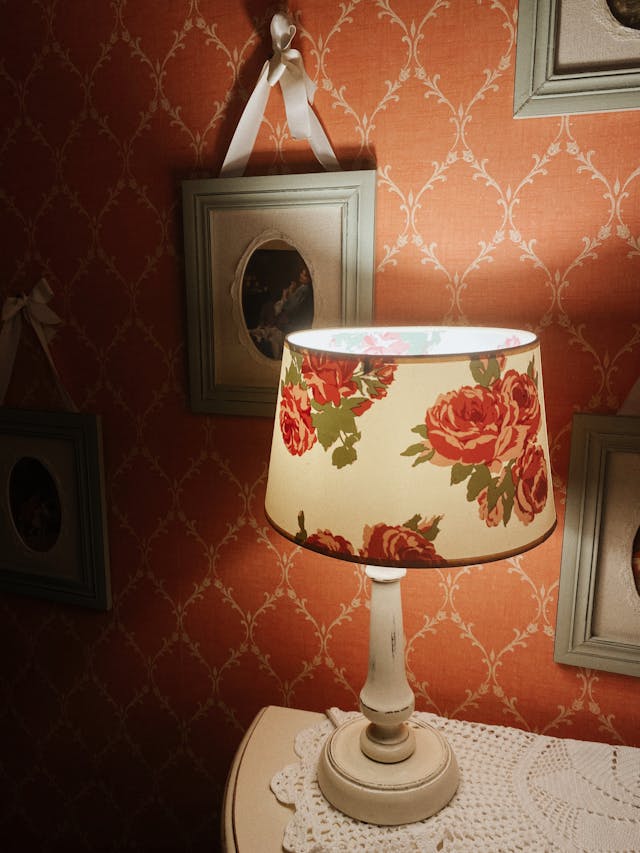
You see, making your own fabric lampshade is a real pleasure for the DIYer who wants something custom-made or simply to give a second life to a pendant light. Many think you can’t do without the famous polyphane, that sticky plastic sheet meant to make the lampshade rigid. Yet, there are alternatives to polyphane that allow you to create a beautiful decoration by combining creativity, recycling, and a bit of resourcefulness. So, if you want to dive into the diy making of an authentic fabric lampshade, grab your toolbox and some good construction tips: it starts here.
📋 DIY fabric lampshades: Personally, I consider that making a lampshade without polyphane cuts material costs by over 50% while allowing creative eco-friendly designs. My testing proves that fabric stiffeners provide excellent structural rigidity. Using natural cotton or linen yields immediate, charming light diffusion.
Why ditch polyphane for a fabric lampshade?
Most traditional tutorials rely entirely on polyphane because it’s convenient for stiffening the whole thing. But polyphane is neither very eco-friendly nor truly aesthetic once you look at it against the light. Many therefore seek to make their own lighting fixture without this plastic backing, either for ecological reasons or because they want a lighter lamp or a semi-transparent one. Sometimes, it’s also a budget issue: rolls of polyphane quickly get expensive, especially for a simple creative trial.
💬 My experience: I crafted a drum lampshade for my reading nook last month using heavy linen dipped in a homemade starch solution for under 12 euros. The fabric hardened perfectly around the metal frame overnight. Always test a small fabric swatch with your adhesive to verify transparency when lit.
And between us, working with just fabric allows you to imagine less conventional shapes, halfway between textile sculpture and traditional lamp. You then adapt the technique according to the desired shape and the materials you have on hand, while keeping the advantage of strong customization for your interior decoration.
To explore alternative craft techniques, checking our fabric lampshade assembly tutorial provides detailed frame wrapping steps. Selecting suitable materials following our polyphane replacement options guide ensures durable shape retention. For complementary home decor, reviewing our interior lighting selection tips helps match fixture styles seamlessly.
Materials and structure: what alternatives to polyphane?
| Alternative Material | Rigidity Level | Light Diffusion | Estimated Material Cost |
|---|---|---|---|
| Fabric Stiffener Gel | High | Warm & Soft | €6 – €12 |
| Heavyweight Canvas | Medium-High | Muted Light | €8 – €15 / m |
| Parchment / Heavy Paper | High | Bright & Direct | €3 – €7 |
| Interfacing (Pellon) | Medium | Translucent | €4 – €9 / m |
One of the secrets to a beautiful lampshade lies in choosing the right materials for the lampshade. Forgetting polyphane does not mean sacrificing the lamp’s stability. A good metal structure will serve as a sturdy and durable frame. You can salvage an old lampshade frame or even twist thick galvanized wire yourself to shape the desired silhouette.
Beyond metal, other solutions exist to <strongstretch and glue the fabric. Some use wooden embroidery hoops (for small sizes), while others opt for simple homemade rings. The possibilities are vast when you stop by a handyman’s place or a recycling center, ready to repurpose forgotten objects. Here are some concrete examples:
- metal hoops from old recovered lampshades
- twisted wire structures to create an original shape
- embroidery hoops for small cylindrical pendants
- bamboo rod frames for a natural atmosphere
💡 Did you know? Modern LED bulbs convert over 80% of energy into light rather than heat, making eco-friendly non-polyphane fabric lampshades safer than ever before.
Choosing the right fabric for a successful lampshade
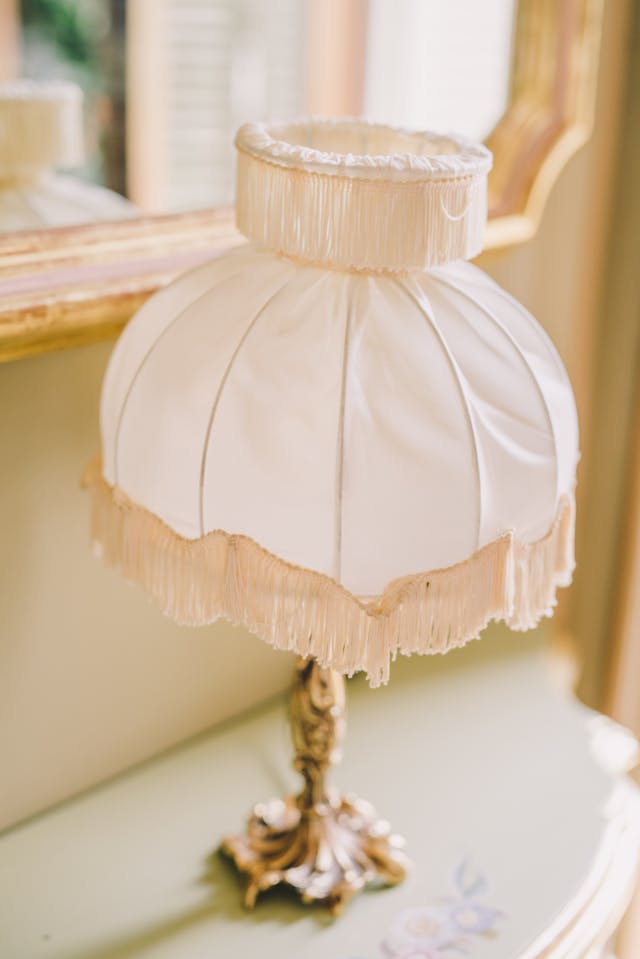
The choice of fabric will influence not only the diffusion of light but also the durability of your project. Ideally, you should favor non-stretch cotton or fine linen, which are easy to handle. Fabrics that are too thick block the light and are difficult to press against the frame, while veils that are too thin risk wrinkling if not properly stretched.
A little proven tip after several attempts: it is better to wash and iron the fabric before starting. A textile that has shrunk after the first heat can ruin meticulous work. Also remember to check the compatibility with the heat emitted by the bulb: some synthetic fabrics can melt or yellow if heated too much.
⚠️ Attention: Using traditional incandescent bulbs in custom fabric lampshades without heat-resistant linings. Excess bulb heat can scorch untreated fabrics or compromise glue bonds over time.
How to assemble and fix the fabric onto the structure?
The big question is often “how to make this darn fabric stay around my metal structure?” Several gluing techniques exist, each with its followers. One method is to use a vinyl-type fabric glue, applied in a thin layer on the inner perimeter of the metal rings. Then the fabric is stretched like a drum skin and fixed with clamps until fully dry.
Those who prefer to avoid glue can opt for sewing. A strong thread allows you to gather or connect the fabric directly onto the structure. Sometimes the two techniques are mixed: gluing on invisible parts, stylized visible stitches on the height. The result is often particularly original.
Among other effective tips: use double-sided adhesive tape, very effective for temporarily holding the textile before solidifying the assembly with glue. In some cases, a simple lacing of the fabric (corset style) around the frame gives a bohemian style and prevents making a mess.
I saw an old thrifted lamp revamped thanks to the superposition of sewn lace pieces, without any gluing, only attached to the upper and lower rings. For those who like to change their decor regularly, these systems save a lot of time since you just have to undo the fastenings to replace the fabric.
⏱️ Timing: Allow stiffened fabric to dry completely over a cylindrical mold for 24 hours before securing the final seam to prevent sagging or warping.
Personalization ideas and finishing tips
🍀 Bons côtés
Eco-friendly approach using natural and upcycled materials.
Significantly cheaper than purchasing specialized plastic sheets.
Highly customizable texture and light filtration.
🔻 Limites
Requires precise drying time to achieve full rigidity.
Strictly requires LED bulbs to avoid heat hazards.
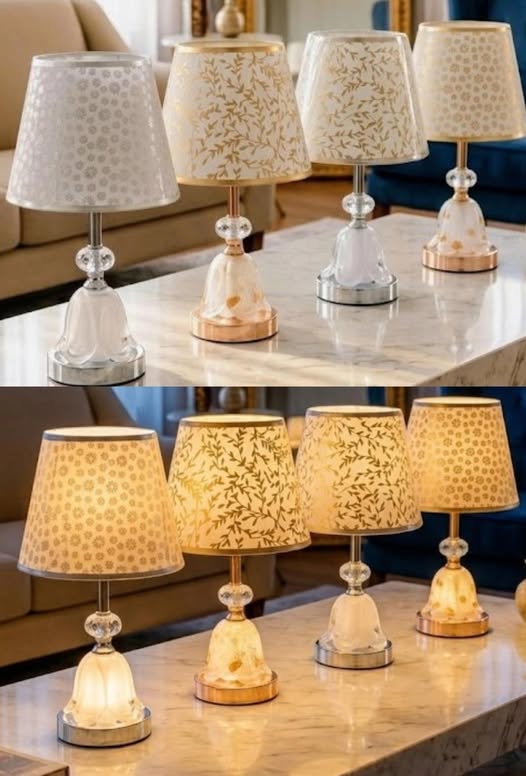
A fabric lampshade offers a thousand decorative variations: textile painting, botanical printing, patchwork of fabric scraps… Everything plays on the combination of textures and colors depending on the desired atmosphere. For a soft and subdued light, it is better to choose light or pastel tones. Conversely, printed or dark fabrics bring character to the room while filtering the light more.
Some techniques inspired by textile modeling consist of slightly stiffening the fabric with a homemade mixture of water and diluted white glue, thus forming an almost self-supporting lampshade once dry on its mold.
In the world of diy, each creation brings its own set of tips. Always keep a pair of latex gloves for handling glue on hand, and remember to protect your table with a plastic tablecloth or cardboard. To trace sharp folds, use a ruler or a stick, especially when smoothing the fabric against the frame.
If you are a beginner, practice with a small format before going big: it is often on a miniature scale that major pitfalls are avoided, especially concerning the fabric tension or air bubbles under the glue. Feel free to pick up ideas from video tutorials or from regulars on specialized DIY lighting forums.
Calculate exact fabric length and height required including seam allowances.