
Have you ever faced an old wobbly window that lets cold air in, or a broken handle just before winter? Me too. Changing or repairing a window is no trivial matter, and whether you’re a beginner or experienced DIYer, there are a thousand details to watch out for. Between choosing the material, installation, insulation, and even ordering custom-made models, everything counts if you want to combine comfort, savings, and aesthetics. No question of rushing this step: it’s better to take your time and proceed methodically. Let me guide you through this world where every detail can make the difference between a cozy home and an uninsulated fridge.
📋 Key takeaway: Personally, I consider the choice of custom joinery to be the crucial step to guarantee optimal thermal performance, allowing up to 15% reduction in heat loss in a home. My opinion is clear: investing in high-quality profiles is always profitable in the long run. To succeed in your installation, carefully prepare your frames and ensure peripheral sealing.
How to choose your windows well?
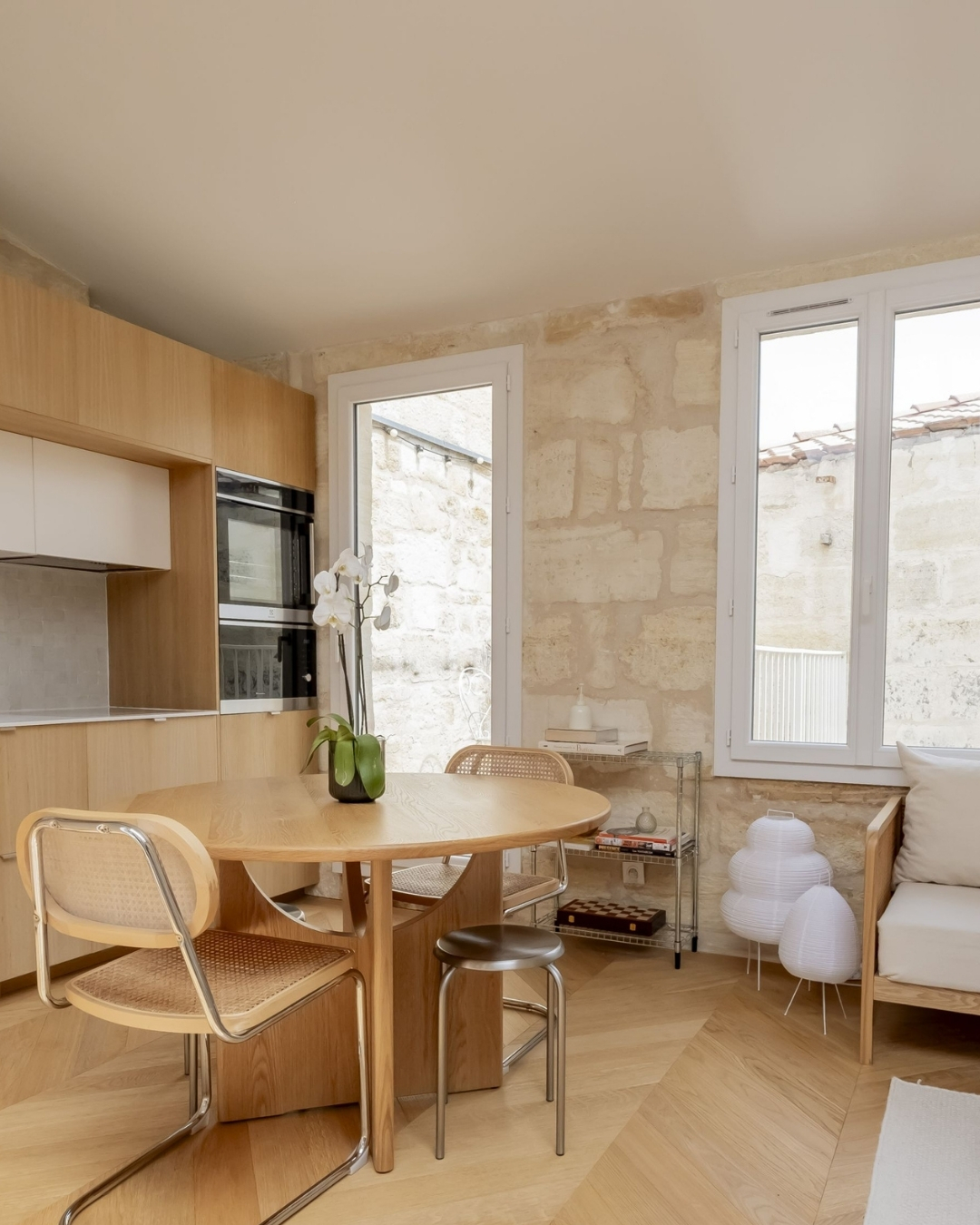
When your project starts, the choice of windows largely determines the thermal performance and brightness in your home. Not all joinery is equal, and adapting their design to the architecture as well as your personal needs is essential. A replacement not only enhances the facade’s aesthetics, it also improves daily life, security, and often allows for significant energy savings.
🗣️ My experience: During a complete renovation project in Haute-Savoie last March, I had to install a series of double-glazed PVC windows for a total budget of 4200 euros. The cold outside made handling the sealing joints particularly complex, causing a slight compression defect on the first sash. This situation taught me never to neglect the ambient temperature when installing foam sealant joints.
Before diving headfirst into installation, you need to understand the criteria to select your future joinery. Each type of structure – wood, PVC, aluminum – has distinct advantages and constraints. Not to mention the custom-made solution to adapt to special openings or original desires. And believe me, the more you think about your needs upfront, the less you risk unpleasant surprises during installation or difficult seasons.
To go deeper, I recommend you discover our guide on custom exterior joinery which complements this topic well. Our tutorial on how to make a door also provides useful insights. And to go further, understanding why installing a thermal curtain offers interesting perspective.
Choosing the material: PVC, aluminum, or wood?
| Material | Thermal insulation | Average durability | Indicative average price |
|---|---|---|---|
| PVC | Excellent | 30 years | €250 |
| Aluminum | Good | 50 years | €450 |
| Wood | Very good | 40 years | €500 |
| Mixed Alu/Wood | Maximum | 45 years | €750 |
In the world of DIY around windows, the raw material influences everything: durability, maintenance, aesthetics, thermal performance. PVC stands out with its affordable prices and minimal maintenance; I remember replacing all the windows in a student studio with this material — three swipes with a sponge and it’s done. Aluminum bets on slim frames and strength, ideal for large sliding windows or bay windows. As for wood, it is always appreciated for its authentic charm and ability to respect old houses, even if the annual maintenance requires a bit more patience.
Aluminum, often shortened to “alu” on construction sites, is also found in many contemporary French doors. The wood-aluminum mix appeals to those who want to enjoy the best of both worlds: warmth inside, resistance outside. To summarize, here are some criteria to compare before signing:
- PVC: economical, easy to install, several colors available
- Aluminum: light, rigid, particularly suited for large openings
- Wood: natural and warm, but requires regular maintenance (stain or paint)
Standard or custom windows?
🌍 Did you know? Installing triple glazing on the north side can reduce heat loss by nearly 60% compared to standard double glazing, but its extra weight of 10 kg per square meter requires reinforced profiles.
There are common sizes easily available in stores or online sales. But if, like me on some renovations, you face odd-shaped frames or non-standard openings, custom design becomes essential. This avoids unsightly makeshift fixes or hastily adapted seals that end up leaking.
Custom manufacturing ensures a precise fit that significantly limits thermal bridges, not to mention it offers you more aesthetic freedom. This is especially true for carpentry in renovations of old buildings, or when combining several materials. A few weeks of lead time should be expected, sometimes offset by the satisfaction of seeing the room transformed once the bay is properly installed.
What types of windows to install at home?
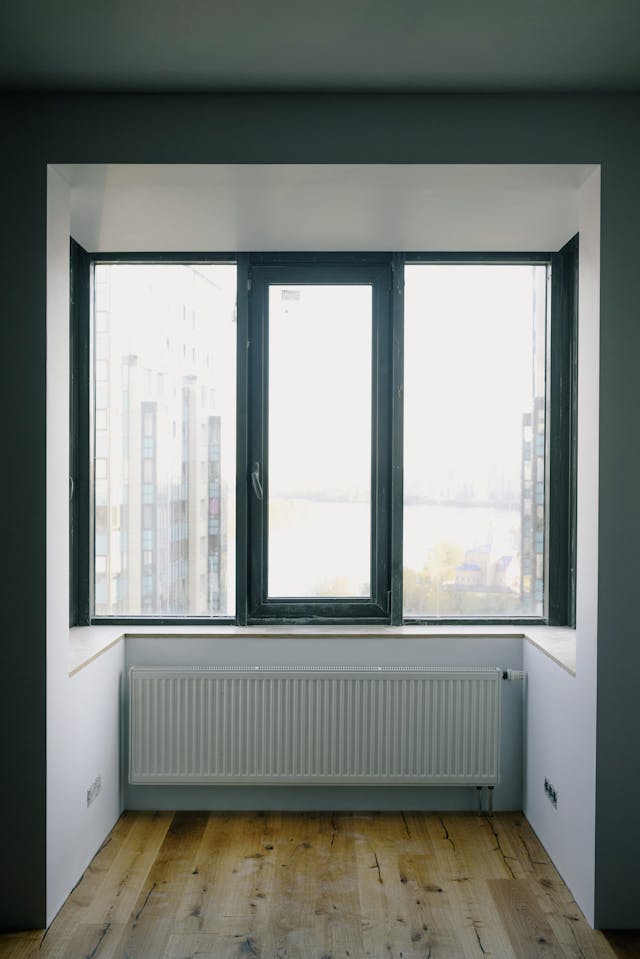
The range of choices goes far beyond the classic French casement windows. Depending on the room layout, access to the outside, or the desire for brightness, there is a whole palette of solutions. Each meets specific technical, insulation, or usage needs – and yes, I have already installed sliding windows in a small attic living room, just to avoid losing precious centimeters of space.
Beyond the purely functional question, the style of window greatly contributes to the atmosphere of your home. Colors, finishes, and even hardware influence the final look. The era when we had to settle for glossy white is definitely over.
⚠️ Classic trap: Taking the measurements of the opening only at one point of the masonry. This is a common mistake because masonry walls are never perfectly straight. You must measure the height and width at 3 distinct points, then take the smallest dimension.
Casement and tilt-and-turn windows
Models with casements still dominate the market, especially in renovations. Their double opening allows effective ventilation and direct access for cleaning, a feature you will appreciate after a spring storm full of pollen. The tilt-and-turn system adds partial tilting to ventilate without strong drafts, a clever trick where child safety matters.
This format easily coexists with all materials. From cheap PVC to high-end aluminum, the installation flexibility remains excellent. You can even mix openings on the same facade depending on the intended use of each room.
Sliding windows: space-saving and modernity
Essential as soon as you seek clarity and practicality, the sliding window equips both living rooms and contemporary kitchens. Its lateral opening truly frees up space: no sash blocks circulation or hits furniture. If you have a green thumb, it’s perfect for bays overlooking a flowered balcony or terrace.
Sliding models often favor aluminum which guarantees slim profiles and smooth sliding. They also come in French door or bay window versions, ideal for connecting the garden and optimizing natural light. To limit heat loss, aim for high-performance glazing and don’t hesitate to request the French manufacturing label from artisanal manufacturers.
French doors and exterior access
It’s impossible to think “DIY window” without talking about French doors that connect the house to the outside. True stars of living spaces, they can be personalized thanks to the wide choice of materials and styles. Full-height glazed models invite abundant light, while semi-glazed versions offer better privacy on the bedroom side.
The choice of opening direction, flat threshold for accessibility, or triple glazing concerns both comfort and energy performance. The question of the lock or reinforced locking points is too often overlooked, even though it secures your home while facilitating daily use.
Installing or replacing a window: the construction phase
💡 Practical tip: Biannual maintenance of sealing joints using a silicone grease spray helps extend their flexibility by 5 years. Take the opportunity to clean the air intakes located at the top of the openings to preserve the airflow of your ventilation system.
Whether you’re ready to take on the challenge alone or supervise a professional, you need to prepare your worksite carefully. Success depends on good anticipation of constraints: access for handling, dimension consistency, insulation, sealing… On my last project, I realized how much preparation saves time, especially when you have to juggle removing the old frame and installing a new custom window.
Equipping yourself properly from the start seems essential to me. A reliable screwdriver, a spirit level, several shims, a foam gun, and good gloves – that’s the basics. Also plan for some newspaper to protect the floor from splashes. And above all, never skip PPE: goggles, dust mask, and sturdy shoes limit the hassles.
Removing the old frame without damaging the structure
For a clean renovation, there’s no need to rip everything out roughly. Usually, you start by removing the sash, then carefully cut the invisible tabs or fastenings. Be careful with crumbly walls in old houses: things can quickly go wrong if you use the wrong tool or apply too much force. Always have a shim and a handsaw on hand; sometimes a reciprocating saw also helps on very wide frames.
As soon as the old frame is down, take the time to check the flatness and condition of the reveal. Good to know: a compressible foam gasket compensates for small defects and limits air leaks, especially on irregular walls.
Tips for a successful installation
First, place the new window dry-fit: check the plumb with the level (two axes!), adjust with shims if needed. Sometimes I’ve had to slightly trim the frame to make everything fit; there’s no point forcing or you risk bending a jamb.
Once in place, securely fasten each corner, insulate the perimeter with expanding foam, then apply appropriate protections (compressible tape, silicone). Be careful to screw without deforming the profiles, especially on aluminum or PVC models. The adjustment of the sashes remains very important: it must be neither too tight (to avoid forcing), nor too loose to keep the window airtight.
Where to order your windows today?
The traditional visit to a DIY store remains reassuring to see and touch the profiles, compare types of closures, and judge the quality of materials firsthand. For some time now, online sales have literally exploded, offering a wide choice and quick quotes, all without leaving home.
I tried ordering a front door and two custom windows online for a secondary home. The configurator guided me step by step – width, height, color, materials, type of glazing – up to the price calculation. After a few phone calls to refine the measurements, the delivery went smoothly… even if the package was as bulky as a wardrobe!
Advantages of French manufacturing and custom-made products
🍀 Good points
• Immediate energy savings on the heating bill.
• Excellent attenuation of external airborne noise.
• Significant added real estate value for the property.
🔻 Limitations
• Considerable initial financial investment.
• Technical complexity of tunnel installation.
Favoring French manufacturing often reassures regarding quality control and ease of after-sales service. Local factories also adapt their windows to the specifics of the regional climate (e.g., rain, wind, intense sun). For custom joinery, even the smallest detail can be quickly modified, which reduces delays in case of issues upon delivery.
Custom-made is also the best ally for old or atypical buildings. You keep control over the design, down to the RAL color, vintage handles, or the exterior finish coordinated with the neighboring facade. Practical for adding character to a farmhouse or preserving the aesthetic of a listed building, while gaining in energy efficiency.
What pitfalls to avoid when buying online?
If you take the plunge with online sales, check the site’s reputation, scrutinize customer reviews, and carefully analyze the announced delivery times. Always take your own measurements rather than relying on an old plan or an imprecise quote, as returning merchandise can be costly.
Also look at the guarantees on glazing and accessories, especially on joinery that must withstand sun, frost, or humidity variations. Anticipate the transport insurance option because once the package is delivered, any replacement due to damage must be reported very quickly.
Window replacement project calculator
Estimate overall equipment budget based on window count and material type.
Estimated total equipment cost:
$