
When tinkering or renovating an old barn, it is not uncommon to still hear elders recommend used engine oil for wood protection. The main argument: this used oil “feeds” the wood, repels water and pests, and costs almost nothing — especially since after an oil change, there are liters left on hand. However, using used engine oil on a frame or cladding exposes you to much more than just a few stubborn stains on the skin. Between strict legislation, proven toxicity, and real ecological alternatives, it is better to be wary of too-easy tricks. Let’s break it down workshop-style!
Key point: The use of used engine oil on wood is an old practice aimed at protecting exterior wood against moisture and insects. Although technically effective, this solution now poses serious environmental and health problems. Before any application, it is essential to understand the risks, regulations, and safer alternatives to sustainably preserve the wood.
Why do some people use used engine oil for wood?
👍 Illusion of gain
• Cost price strictly equal to zero euros.
• Immediate recycling of a personal garage waste.
• Instant dark tint giving a rustic look.
❌ Real risks
• Irreversible pollution of the underlying groundwater.
• Harmful emissions of greasy vapors under high heat.
• Definitive impossibility to ever apply a real paint.
Old garages and workshops are full of dark cans filled with used engine oil. Many have seen their grandparents coat fences, sheds, or outbuildings with this blackish liquid, convinced of its unbeatable protective power. Popular belief even says that mixing a bit of turpentine or diesel multiplies the effectiveness of this wood treatment.

From a purely practical point of view, used engine oil seems to check several boxes: it penetrates the wood, nicely darkens a faded beam or board, slows the impregnation of moisture, and is quickly and easily applied with a wide brush or sprayer. At first glance, hard to get simpler… But at what cost?
🗣️ My experience: In May 2025, I visited the site of a private individual who had coated his entire garden fence with his leftover automotive used oil. As soon as the sun hit the wood, a heavy hydrocarbon smell invaded his vegetable garden, and the rain caused black iridescent streaks visible on the beaten earth. The lesson I drew from this observation is that the negligible cost of this trick will never compensate for the environmental damage caused to your own land.
| Intended Use | Effectiveness | Risks | Authorized |
|---|---|---|---|
| Post protection | High | Soil pollution | No |
| Fence wood | Medium | Toxic to the environment | No |
| Wood in contact with the ground | High | Very high | No |
| Outdoor decorative wood | Low | Persistent odor | No |
| Indoor use | None | Dangerous | Strictly prohibited |
🌍 Did you know? A single liter of used oil can cover a water surface of several thousand square meters, blocking oxygenation for wildlife and plants. It contains Polycyclic Aromatic Hydrocarbons (PAHs) classified as carcinogenic and mutagenic, highly persistent in the terrestrial ecosystem.
What are the risks and dangers associated with the use of used oil?
The “rustic” appearance of this technique hides much more worrying realities. Used oil is riddled with toxic substances from combustion, industrial additives, and heavy metals. These pollutants are as devastating to the environment as they are to human health.
When used oil is applied as wood protection, the surrounding nature is directly exposed: each rain carries contaminated droplets into the soil, groundwater, and even into our waterways. Moreover, this type of treatment poses a serious danger during handling or accidental fire.
- Long-lasting contamination of soil and water
- Carcinogenic risks due to polycyclic aromatic hydrocarbons
- Severe irritations when applied without protection
- Difficulty in removing residues absorbed by the wood
Not to mention the unpleasant vapors that spoil any worksite atmosphere and that impregnate walls, clothes, and tools long after application. That’s the visible side… Less obvious but just as real: the strict legal prohibition on using used oil for purposes other than those provided by official recycling.
⚠️ Common misconception: The classic trap is to believe that the strong smell of engine lubricant provides definitive protection against wood-boring insects (termites, woodworms). As soon as the volatile solvents evaporate into the air, larvae can attack the wood, because mineral oil has no real fungicidal action.
What laws regulate the use of used oil?
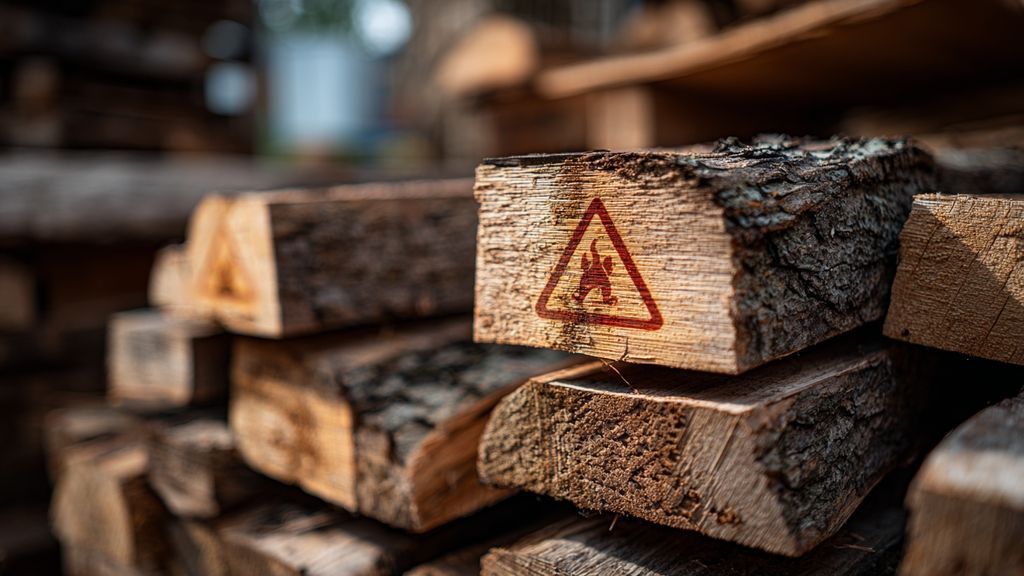
The legal prohibition on diverting used oil to treat or protect wood does indeed exist. The environmental code classifies these oils as regulated hazardous waste. Their collection (at waste disposal centers via specialized channels) and recycling are strictly controlled, with penalties if ignored.
Burning or spreading used engine oil on your firewood, terrace, or fence posts exposes you to hefty fines, or even legal action in case of proven pollution. This is not to scare you unnecessarily, but to understand that this practice, although widespread for decades, now belongs to the past — for very good reasons.
💡 Practical tip: If you have just bought land containing structures soiled by this product, apply Sommières earth or fine sawdust to absorb as much grease as possible on the surface. Let it sit for 48 hours, brush vigorously, then use an intensive wood cleaner-degreaser before any renovation.
Homemade mixtures: turpentine, diesel, and company
It is sometimes said that by diluting used engine oil with a bit of diesel or turpentine, its harmfulness would be reduced or its penetration into the wood improved. Wrong! Adding flammable solvents only worsens the risks: increased toxicity, dangerous fumes, and easier ignition. Experiments carried out here and there mainly illustrate the dangers incurred due to lack of reliable information.
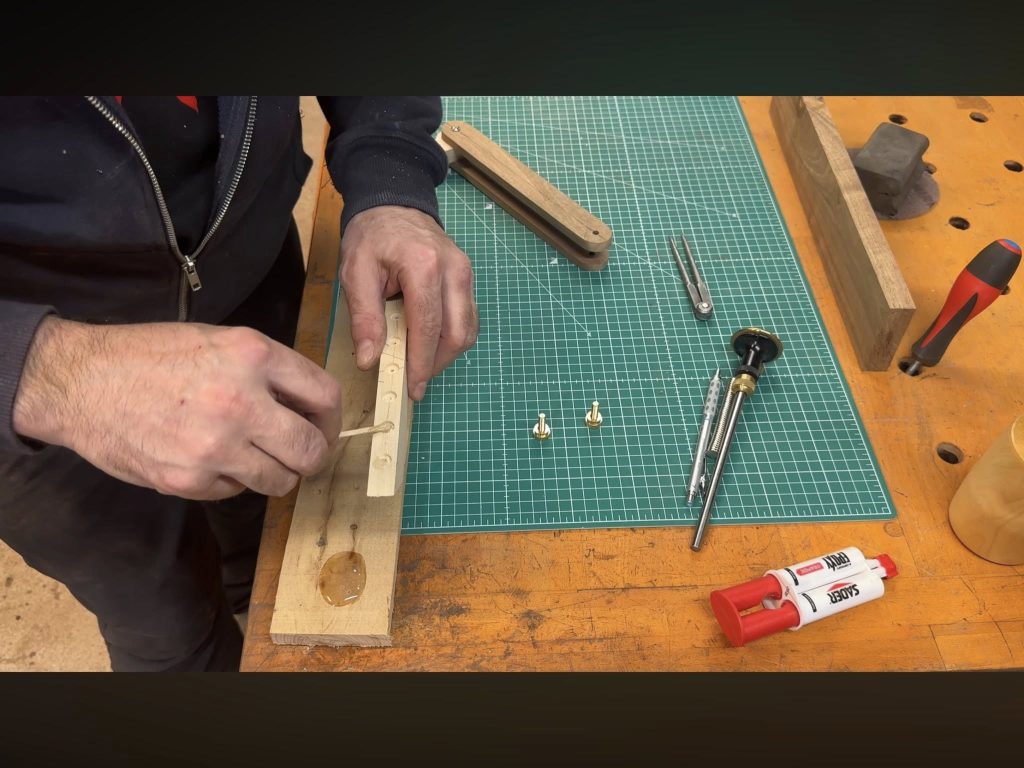
While the fight against humidity often motivates these trials, other methods exist — and they do not turn your garden into an open-air hydrocarbon dump. In reality, each wood requires an adapted approach: type, use, exposure to weather… Making a homemade mixture is more a game of chance than a true protective treatment.
If you are looking for sustainable solutions for the outdoors, you can compare with materials suitable for garden landscaping or discover ideas for reusing wood. For structural projects, alternatives to wooden beams can also be considered.
The false good idea of protection against humidity
Letting people believe that used engine oil constitutes a serious barrier against humidity is misleading. While it temporarily slows water infiltration into surface fibers, it eventually stagnates, seals, and prevents the wood from breathing. Result: the wood saturates, swells, then rots faster than naturally, especially in poorly ventilated areas.
A true wood protection requires products specially formulated for that: saturators, stains, natural oils, or technical paints. Here, the debate revolves around effectiveness, durability, and environmental respect… Always far ahead of used engine oil, however tempting it may be for the wallet.
Which ecological alternatives should be favored for wood treatment?
Fortunately, there are today sustainable and clean solutions to ensure good wood protection. Whether you are a fan of traditional methods or an innovation enthusiast, the market is full of ecological alternatives suitable for all budgets and uses.
For example, vegetable oils (such as linseed oil), natural wood saturators, and certain waxes contain little to no toxic substances, and effectively protect against moderate moisture. For exposed exteriors, there are bio-based treatments enriched with mild anti-parasitic agents — without dangerous solvents or petroleum-derived components.
- Pure or modified vegetable oils (linseed, tung)
- Natural saturators and water-repellent finishes
- Next-generation microporous paints
- Borax and mineral salts against insects and mold
I personally tested linseed oil mixed with a hint of natural turpentine essence on garden furniture: impeccable result with easy application, quick drying, and zero persistent odor or greasy film. A good sanding, two crossed coats, and it’s good for years — with no risk for my vegetable garden or my damaged hands.
Putting an end to old recipes: prevent, inform, and choose better
Practical info for those feeling nostalgic: nothing beats a little investigation in a hardware store or on specialized forums before trying a tip picked up on site. Getting informed protects both your lungs and the planet! Why sacrifice your future comfort to an outdated habit when so many modern options do the job without second thoughts?
Here’s something to start renovating a floor, building a wooden shelter, or restoring exterior woodwork in a healthy way, with peace of mind and clean hands. If some boards age more like rugby players than patinated wood, remember that resourcefulness also means knowing how to change your habits to do better tomorrow.
Drain oil on wood: is it a good idea?
Can used oil be used to protect wood?
Technically yes, but this practice is strongly discouraged and prohibited in many cases due to its toxicity and environmental impact.
Why is used oil dangerous for wood and the environment?
It contains heavy metals and chemical residues that pollute soil, water, and pose a risk to human and animal health.
What are the alternatives to used oil for treating wood?
Natural oils, ecological stains, saturators, or autoclave treatments are much safer and more sustainable solutions.