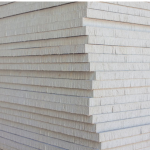
External insulation is an energy renovation technique that involves placing an insulating material on the exterior walls of a building, then covering it with a protective coating. It helps to limit heat loss, improve indoor comfort, and enhance the aesthetic appearance of the facade.
But what is the best external insulation? What are the different methods, materials, and advantages of this solution? Here are some answers.
📋 Essential to remember: Personally, I consider External Wall Insulation (EWI) using expanded polystyrene (EPS) to offer the best performance-to-price ratio, reducing heat loss by up to 30%. In my experience on site, pairing EPS with a silicone-based rendering system delivers outstanding thermal efficiency and durable protection. Selecting the right insulation system typically lowers home heating bills by $450 to $650 annually depending on climate conditions.
The different methods of external insulation
There are two main categories of external insulation methods: thermal insulation of walls and thermal insulation of the roof.

My experience: During a renovation project on a 1970s home in early 2024, we installed 140 mm EPS insulation at a total cost of $110 per square meter. The interior temperature remained stable at 21°C all winter without forcing the heat. The crucial takeaway is to never skip checking your roof overhangs before starting wall insulation work.
Thermal insulation of walls
To dive deeper, I recommend reading what type of cladding to choose to renovate a facade which complements this insulation topic well. Exploring wood cladding installation rules for facade gives practical technical insights. For further reading, discovering what assistance is available to insulate your home brings interesting financial solutions.
You should know that using external wall insulation involves placing an insulating material on the exterior walls, then covering it with a protective coating, which can be a render, cladding, or panel. There are several EWI (External Wall Insulation) processes, depending on the type of insulation and coating used:
- The insulation by coating on insulation method: it involves mechanically fixing or gluing a rigid or semi-rigid insulation to the wall, then covering it with a mineral or organic coating, which ensures waterproofing and finishing. This is the most common method, suitable for all types of facades.
- The cladding attachment method: it involves fixing a metal or wood frame to the wall, then placing a flexible or semi-rigid insulation, and covering it with cladding, which can be wood, metal, PVC, or composite. This method offers the most aesthetic choices but requires regular maintenance.
- The sandwich panel method: it involves installing prefabricated panels, composed of insulation and a covering, which are fixed to the wall by anchors or rails. This is the fastest and simplest method to implement but limits customization possibilities.
| Insulation Material | Thermal Conductivity (W/m.K) | Average Cost per m² | Lifespan |
|---|---|---|---|
| Expanded Polystyrene (EPS) | 0.031 – 0.038 | $80 – $120 | 30+ years |
| Rock Wool | 0.034 – 0.040 | $90 – $140 | 40+ years |
| Wood Fiber | 0.038 – 0.045 | $110 – $160 | 50+ years |
| Polyurethane (PUR) | 0.022 – 0.028 | $130 – $180 | 30+ years |
Thermal insulation of the roof
Thermal insulation of the roof from the outside (ITTE) consists of installing an insulating material on the framework or roof covering, then covering it with an under-roof membrane, which ensures waterproofing and ventilation. There are two ITTE methods, depending on the type of roof:
- The sarking method: it involves installing a rigid or semi-rigid insulation on the framework, then covering it with an under-roof membrane, and finally installing the roof covering, which can be tiles, slates, or zinc. This is the most efficient method, eliminating thermal bridges, but requires removing the existing covering.
- The prefabricated rafter boxes method: it involves installing prefabricated boxes, composed of insulation and an interior facing, which are fixed on the roof covering without touching the framework. This is the simplest and least expensive method but reduces ceiling height.
💡 Did you know: Exterior wall insulation can reduce total household energy loss by up to 30% while raising wall surface temperatures by 4°C during winter months.
Materials generally used for external insulation of a house
The choice of materials for external insulation of a house depends on the method, budget, and desired performance. There are two main families of insulating materials: synthetic materials and natural materials.
Synthetic materials
Synthetic materials are made from chemical products, offering good thermal and mechanical resistance but having a higher approx.mental impact. Among the most used synthetic materials are:
- Expanded polystyrene (EPS): it is a lightweight, economical, and easy-to-install material that provides good thermal insulation but is sensitive to fire and rodents. It is suitable for the coating on insulation and sandwich panel methods.
- Extruded polystyrene (XPS): it is a denser, more resistant, and more waterproof material than EPS, offering better thermal insulation, but it is more expensive and more polluting. It is suitable for processes involving coating on insulation and for attached cladding.
- Polyurethane foam (PUR): it is a highly efficient material that provides excellent thermal insulation, but it is flammable, toxic, and expensive. It is suitable for processes involving coating on insulation and sarking.
⚠️ Common mistake: Ignoring thermal bridges at windows, doors, and roof edges during installation. Failing to insulate window reveals creates condensation spots, leading to internal mold growth despite having high-performance wall panels.
Natural materials
Natural materials come from renewable resources, offering good thermal and acoustic insulation, but they are more sensitive to moisture and insects. Among the most commonly used natural materials are:
- Cork: it is an ecological, durable, and rot-proof material that provides good thermal and acoustic insulation, but it is costly and not widely available. It is suitable for processes involving coating on insulation and attached cladding.
- Wood wool: it is a breathable, hygroscopic, and fire-resistant material that offers good thermal and acoustic insulation, but it is bulky and not very compressible. It is suitable for processes involving coating on insulation and chevroned boxes.
- Wood fiber: it is a lightweight, flexible, and recyclable material that provides good thermal and acoustic insulation, but it is less resistant and less waterproof than wood wool. It is suitable for processes involving coating on insulation and attached cladding.
⏱️ Practical tip: Apply basecoat adhesive at temperatures between 5°C and 25°C. Allow 24 to 48 hours of curing time between insulation board placement and basecoat application to ensure structural stability.
Insulating the attic or the walls: which choice to make?
The choice between insulating the attic or the walls depends on the building configuration, the condition of the surfaces, and the available budget. As a general rule, it is advised to prioritize insulating the attic, as it accounts for 25 to 30% of heat loss, according to ADEME. Attic insulation is also less expensive and easier to carry out than wall insulation.
However, if the attic is already insulated or if it is converted, it may be interesting to insulate the walls, which represent 20 to 25% of heat loss. Wall insulation also allows for facade renovation and gaining living space. Ideally, it is recommended to insulate both the attic and the walls to achieve an optimal thermal envelope.
Estimate your exterior insulation budget based on surface area and material type.
The advantages of insulating exterior walls
🍀 Key advantages
• Eliminates thermal bridges completely across the exterior facade
• Preserves interior living space and floor area intact
• Enhances acoustic insulation against outside noise pollution
🔻 Main limitations
• Requires local planning permission or facade work declarations
• Higher initial investment compared to internal insulation methods
Insulating exterior walls offers many advantages, both thermally, acoustically, aesthetically, and financially.
Thermal and acoustic comfort
Insulating exterior walls helps reduce heat loss, thereby maintaining a comfortable indoor temperature in both winter and summer. It also helps limit temperature fluctuations and eliminates the sensation of cold walls. Furthermore, exterior wall insulation helps reduce external noise, thus preserving calm and tranquility inside the building.
Energy savings
Insulating exterior walls reduces the building’s energy consumption and thus lowers heating or air conditioning expenses. According to ADEME, exterior wall insulation can save up to 25% energy compared to interior insulation. Exterior wall insulation also helps reduce greenhouse gas emissions and thus combats global warming.
Aesthetic and heritage enhancement
Exterior wall insulation allows renovating the building’s facade and giving it a new and modern look. It also allows choosing the desired cladding, according to personal taste and the building’s architecture. Exterior wall insulation thus enhances the building’s aesthetics and heritage, increasing its value on the real estate market.
In conclusion, exterior insulation is an effective and durable solution to improve the comfort and energy performance of a building. It eliminates thermal bridges, protects the walls, reduces energy consumption, and enhances the facade. However, it requires a significant investment and must be carried out by qualified professionals.