
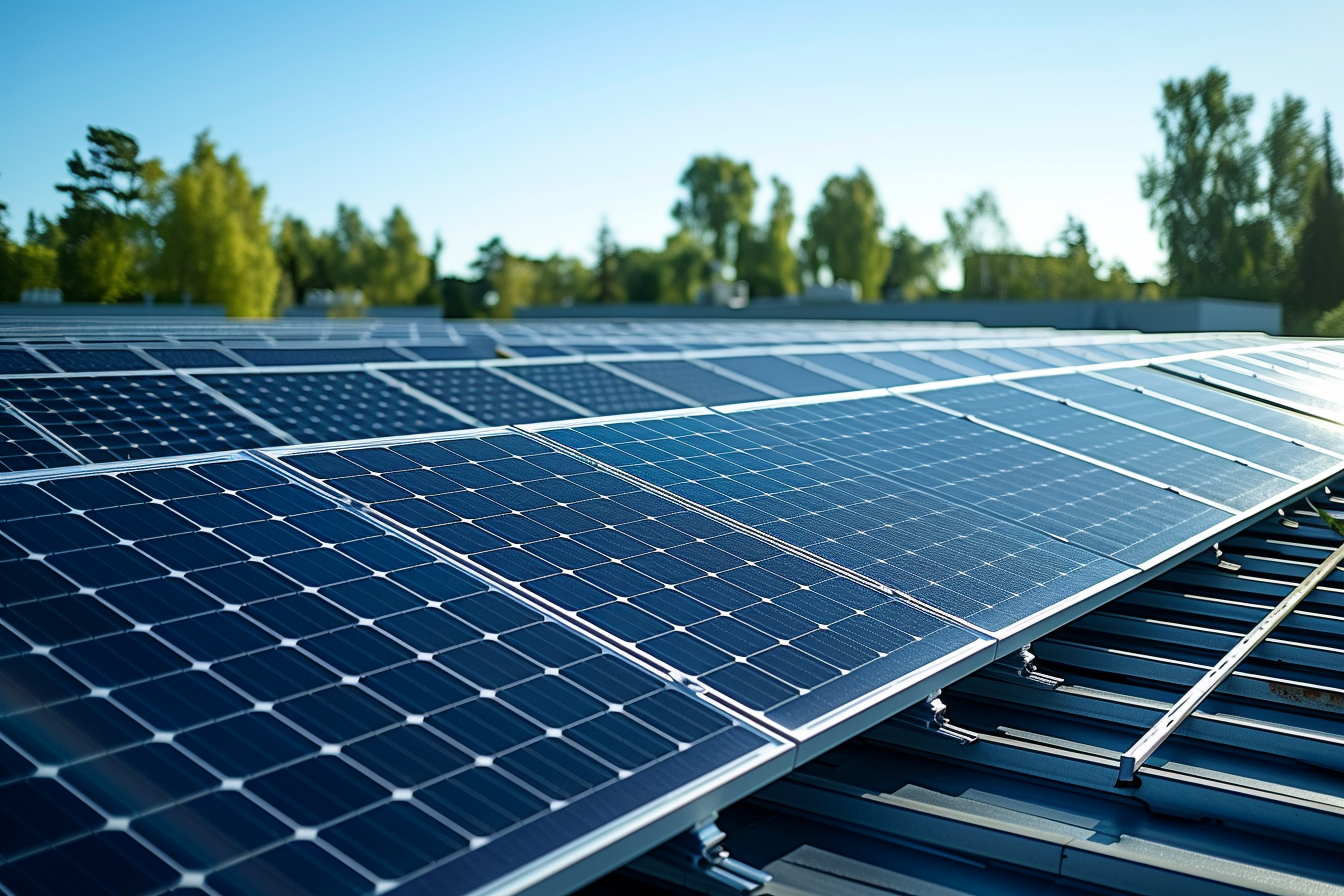
Do you want to reduce your energy expenses? Like many French people, you can opt for self-consumption. Indeed, solutions such as the solar kit allow you to produce your own electricity without hassle. This guide will explain why to adopt a solar kit, how to choose it, and the steps for its installation.
📋 📋 The essentials at a glance: Personally, I consider the plug-and-play solar kit the most cost-effective solution to start with because it allows you to erase your electrical consumption baseline for less than 700 euros. For real autonomy, a 3 kWp kit remains the ideal standard to cover 40% of the needs of a four-person household. I recommend prioritizing micro-inverters guaranteed for 25 years to ensure the durability of your installation against weather conditions.
The advantages of adopting a solar kit
🌟 The pros
- Immediate installation without work
- Quick return on investment (< 5 years)
- Production monitoring via mobile app
🔍 Drawbacks
- Power limited by outlets
- Not eligible for the self-consumption premium
- Aesthetic varies depending on the support
The solar kit is a device that allows generating electricity from solar energy. This type of kit generally includes several essential components:

- Photovoltaic panel: Captures solar energy and converts it into direct current.
- Battery: Stores the energy produced by the panel for later use.
- Solar converter or regulator: Converts the stored direct current into alternating current usable by your electrical devices.
- Circuit breaker: Protects the system from short circuits and overloads.
- Wiring: Ensures the connection of solar panels and resists weather conditions.
- Instruction manual: Provides instructions for autonomous installation of the solar kit.
🗣️ 📍 My experience: In 2024, I installed two 400W solar panels on my south-facing terrace. At first, I was disappointed because my bill only dropped by a few euros. By simply shifting my dishwasher cycle to 1:00 PM, I optimized my self-consumption by 60%. The lesson is clear: the best solar kit is worthless without changing your consumption habits to match the solar production peak.
By choosing an efficient solar kit, you become a producer of the electricity you consume. This allows a significant reduction in your electricity bill and a positive contribution to the environment thanks to the use of a renewable energy source.
To go deeper, I recommend the article on connected objects which complements this topic well for controlling your devices. The guide on electricity rates also provides useful insights. And to go further, our dossier on BBC houses offers interesting perspectives on energy efficiency.
The solar kit for total autonomy
The first option for using a solar kit is to opt for complete autonomy in electricity production. Thus, you will no longer be connected to the public power grid.
With a standalone solar kit, the excess energy produced by your installation, that is to say the electricity not consumed immediately, will be stored in one or more batteries. This accumulated energy can be used during periods when solar production is insufficient.
🌍 Did you know? The ideal tilt of a solar panel in France is 30° to 35°, facing due South. However, installation facing East or West can be more judicious if you consume most of your electricity in the morning or late afternoon, as it smooths your production throughout the day.
The solar kit for self-consumption
The other option is to set up a solar kit for self-consumption. In this case, you remain connected to the power grid but prioritize consuming the electricity you produce.
This configuration allows you to reduce your dependence on the grid by using solar energy during the day. During periods of low solar production, you can always rely on the grid to cover your energy needs.
⚠️ Warning: The common mistake is forgetting the prior declaration at the town hall for an installation above 1.80 m. Even if you install the kit yourself, any modification of the exterior appearance of your house without authorization can result in a fine and the obligation to dismantle your panels.
How to choose your solar kit for self-consumption?
To choose your solar kit well, several criteria must be taken into account depending on your specific needs and your environment.
Assess your electricity needs
The first step is to analyze your electricity needs. It is essential to know your energy consumption in order to properly size your solar installation. You can use your electricity bills to get an accurate estimate.
| Kit power | Covered equipment | Required surface | Average annual savings |
|---|---|---|---|
| 400W to 800W | Fridge + Box + Standby | 2 to 4 m² | €120 to €200 |
| 1.5 kWc | Washing machine + Pool pump | 8 m² | €350 to €500 |
| 3 kWc | Total except heavy heating | 15 m² | €700 to €1,000 |
| 6 kWc and up | All-electric house | 30 m² + | > €1,500 |
Determining the Appropriate Power of the Solar Kit
The power of your solar kit must match your consumption. It is important to choose a power capacity capable of covering your needs while taking into account seasonal variations and weather conditions.
💡 Practical tip: Never clean your panels with hard water or a high-pressure jet. A simple rinse with rainwater or demineralized water using a soft sponge once a year is enough to remove dust and pollen that can reduce your production by 5% to 10%.
Taking Your Geographical Location into Account
Your geographical location plays a crucial role in the performance of your solar installation. Sunlight varies by region, and it is essential to choose panels suited to your area to maximize energy production.
Choosing the Brand of Solar Panel and Inverter
The quality of solar panels and the inverter is essential to ensure the durability and efficiency of your installation. Favor brands known for their reliability and performance.
Steps to Install a Solar Kit
Installing a solar kit may seem complex, but with good preparation, it becomes accessible.
Hiring an Installer or Installing Yourself?
You have the option to install your solar kit yourself if you have DIY and electrical skills. Otherwise, it is recommended to hire a professional to ensure a compliant and safe installation.
Choosing the Ideal Location for the Panels
The location of the solar panels is crucial to optimize their performance. They must be installed in a well-sunny area, avoiding shadows caused by trees or surrounding buildings.
Following the Installation Steps
Installation is generally done in several steps: mounting the panels, electrical connection, installing the inverter and batteries, then connecting to the grid if necessary. Each step must be carried out carefully to ensure the proper functioning of the whole system.
In conclusion, adopting a solar kit for self-consumption is an effective solution to reduce your electricity bill while contributing to environmental protection. By choosing the right kit and following the installation steps, you can fully enjoy the benefits of solar energy.
FAQ: Choosing and Installing Your SEO Solar Kit
Can you install a solar kit yourself without an electrician?
What is the actual lifespan of photovoltaic panels?
Should batteries be installed with the solar kit?


