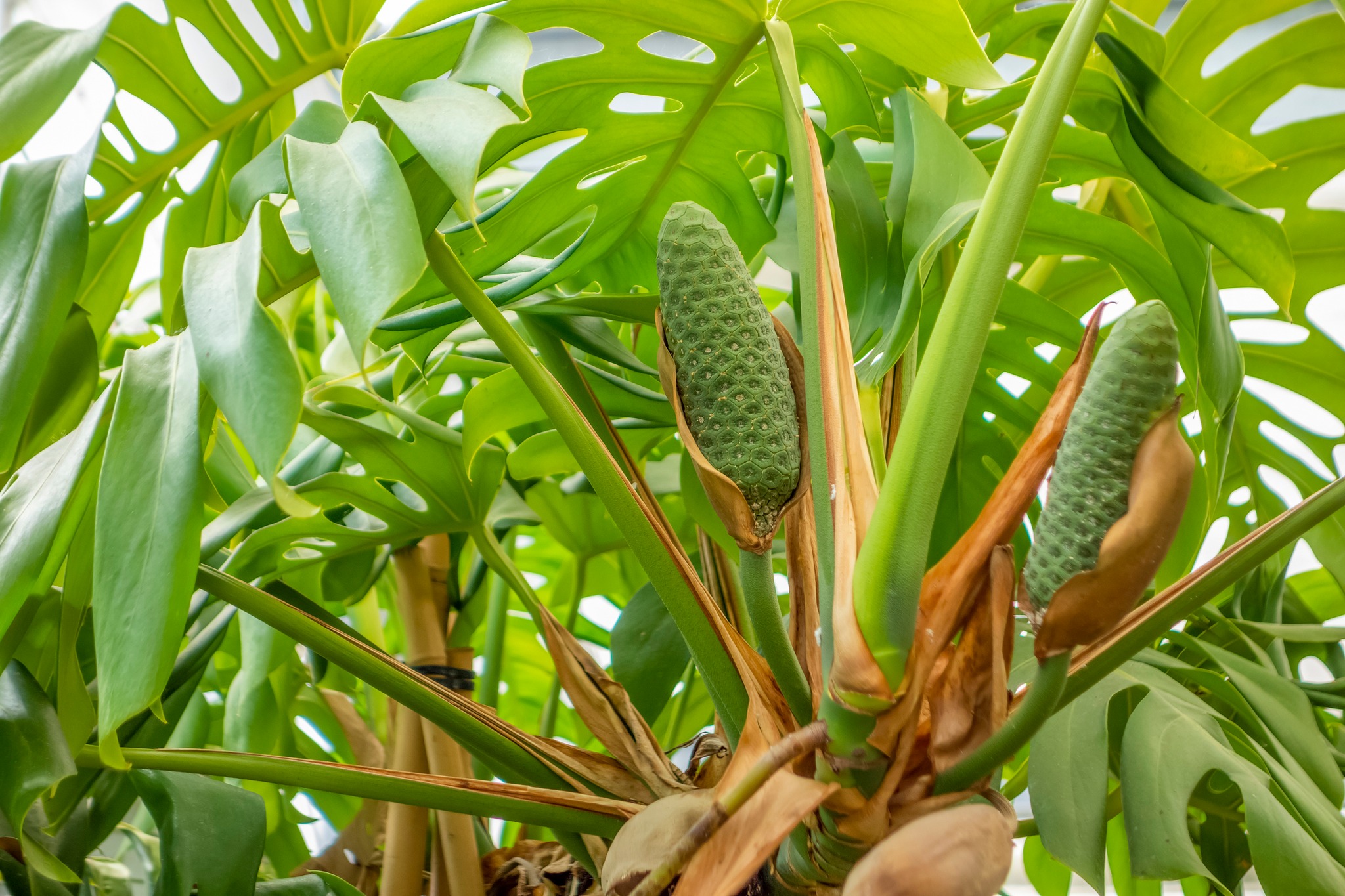
Ah, the ceriman… Just its name evokes a sense of exoticism! Perhaps you have already come across it under another name: monstera deliciosa, swiss cheese plant, or even simply “ climbing plant with holes .” This tropical plant belongs to the araceae family, and it has all the qualities to charm those who want to bring a touch of jungle into their home. Its cut-out or holey foliage has taken over magazines and social networks, but its appeal goes beyond its graphic beauty. Did you know that the ceriman also produces an edible fruit with a delightfully surprising aroma? Today, I’m sharing my tips and personal experience with this intrepid plant adventurer.
📋 📋 The essentials at a glance: Personally, I consider growing Monstera deliciosa indoors to be an extremely rewarding experience, provided you offer it at least 60% ambient humidity. My opinion is clear: this tropical plant forgives small forgetfulness but absolutely does not tolerate excess stagnant water. To encourage the appearance of its magnificent perforated leaves, place it near a bright window without direct sunlight.
Where does the ceriman plant come from?
Beneath its decorative appearance, the ceriman hides a distant origin. A symbolic plant of the humid forests of Central America, it readily climbs trunks in nature thanks to its famous aerial roots. These allow it to capture ambient moisture but also to anchor itself as it climbs toward the light.
💬 Personal anecdote: When I got my first cutting of a fake philodendron in Lyon last May, I planted it in a too-tight plastic pot that cost barely 4 euros. Within a few weeks, its aerial roots began to escape spectacularly, searching for a moss stake that I hadn’t installed. This situation taught me that anticipating the growth of a young tropical plant avoids having to urgently repot during the growing period.
In its natural environment, the ceriman grows deep in the jungle, fully adapted to warm and humid conditions. We then understand why it thrives so well as a houseplant here, as long as it is given some warmth and gentleness. In fact, many amateur gardeners discover sooner or later just how much this monstera deliciosa can grow — sometimes more than they imagined!
To go deeper, I recommend our article on ceriman cultivation which complements this topic well. Our guide to know if potting soil does not absorb water also offers useful insights. And to go further, understanding how to treat a bleeding spot on a plant provides interesting perspective.
How can you easily recognize monstera deliciosa?
🌍 Did you know? In its natural habitat in Central America, the Ceriman produces a rare edible fruit whose flavor resembles a mix of pineapple, banana, and mango, but it takes nearly 12 months to fully ripen.
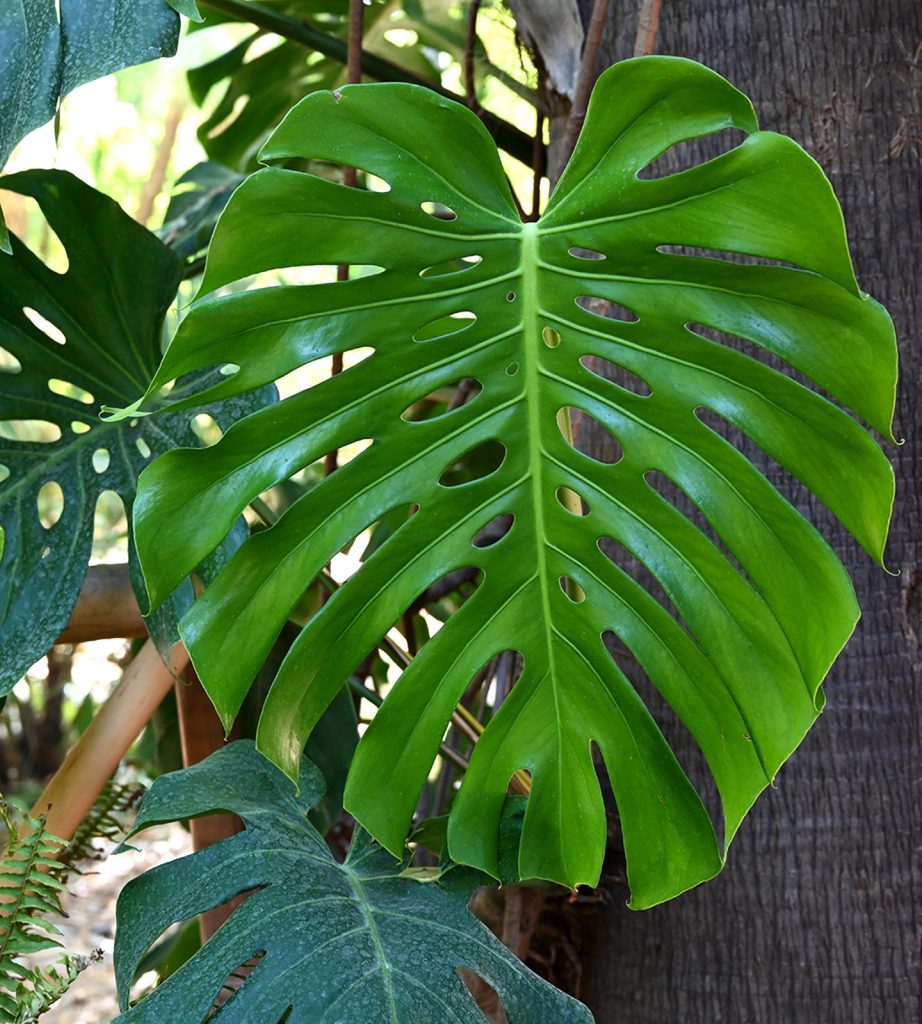
If you have doubts when buying an exotic green plant, often just an expert glance is enough to spot the ceriman. Above all, it’s its cut or even perforated foliage that draws attention. The large shiny leaves display these unique patterns, reminiscent of Swiss cheese, hence its English nickname swiss cheese plant.
This uniqueness is not just for looks: in its native forests, it helps the tropical plant better withstand rainstorms. Water slides more easily to the ground instead of weighing down the leaves. Another striking detail: the ceriman quickly develops aerial roots, long brownish protrusions that seem to seek an invisible support. Some find this strange, others fascinating! In any case, it illustrates its nature as a true tropical climbing plant.
What care should be given to an indoor ceriman plant?
Where to place your monstera at home?
To ensure a good start for your ceriman, find it a bright room without direct sunlight. You risk seeing burns appear on the cut foliage if a south-facing window is not filtered by a light curtain. Conversely, it struggles to survive in a completely dark room — the green of its large leaves quickly degrades and they shrink visibly.
Absolutely avoid places too exposed to drafts. A stable temperature around 20 to 25 degrees is perfect. In summer, some take their monstera deliciosa outside into the shade, but beware of sudden temperature drops at nightfall.
Watering and humidity: how to proceed?
| Main season | Watering frequency | Fertilizer supply | Ideal temperature |
|---|---|---|---|
| Spring | Once a week | Every 2 weeks | 20 °C |
| Summer | Twice a week | Every week | 24 °C |
| Autumn | Every 10 days | Once a month | 18 °C |
| Winter | Every 2 weeks | No supply | 16 °C |
Overwatering is the most common mistake: no need to drown the indoor plant, it’s better to wait until the top few centimeters of substrate are dry between waterings. Excess water promotes root diseases, especially in winter. My tip is to slightly lift the pot: if it feels light to you, it’s time to water.
Don’t forget regular misting: in nature, the ceriman constantly enjoyed air saturated with humidity. Use a spray bottle, especially in summer or when the heating is running at full power. A little anecdote: I noticed that new leaves are even more split when I regularly give my favorite tropical plant a steam bath.
⚠️ Common mistake: Letting water stagnate at the bottom of the cache-pot after watering. This is the quickest way to suffocate the roots and cause the complete yellowing of your tropical plant’s foliage.
Repotting, care, and propagation of the ceriman
When and how to repot?
The ceriman grows quickly, especially its aerial roots which will quickly escape from their original pot! Plan for repotting every two to three years, ideally in spring. Choose a well-draining mix: some potting soil, a few handfuls of sand, or even coconut fibers to maintain the right balance.
Always place clay pellets at the bottom of the pot to prevent water stagnation. When I sprinkle some dry coffee grounds on the soil, I often get boosted growth — but be careful not to overdo it, so as not to acidify the soil.
💡 Practical tip: A monthly cleaning of the leaves with a soft damp cloth helps remove accumulated dust. This optimizes photosynthesis and keeps the foliage shiny all year round.
How to easily propagate your plant by cutting?
Propagating a ceriman is nothing complicated. Find a nice stem with at least one node and an aerial root. Cut cleanly just below the node and place the cutting in a glass of water or directly into moist soil. A transparent jar helps monitor root development.
After a few weeks, as soon as nice white roots appear, transplant your young plant: a new adventure guaranteed! The satisfaction of watching your own monstera deliciosa grow is unmatched and allows you to share this magnificent species with your loved ones.
Remarkable features of the ceriman plant
👍 Strengths
• Fast growth and immediate urban jungle effect.
• Very robust plant and tolerant of minor neglect.
• Very easy propagation by simple water cuttings.
🔍 Drawbacks
• Quickly becomes very bulky in small spaces.
• Foliage toxic to pets if ingested.
Extraordinary aerial roots to tame
When you see an adult ceriman, you will often notice a mass of aerial roots descending around the trunk or even crawling downward. In nature, they serve to capture moisture and stabilize the climbing plant on its support. At home, you can either guide them into the pot or carefully cut them if they become too invasive.
To give your indoor plant a beautiful upright posture, consider adding a stake covered with moss or burlap. Regularly align the main stems and adjust the height as it grows. This small investment will quickly make your room spectacular.
How to encourage the formation of edible and aromatic fruits?
There is a lot of talk about the foliage, but did you know that the ceriman also produces an edible fruit called “delicious fruit” in many countries? It looks like a corn cob covered with green scales. Once ripe, it reveals white flesh with a fruity taste, reminiscent of a mix of banana, pineapple, and mango.
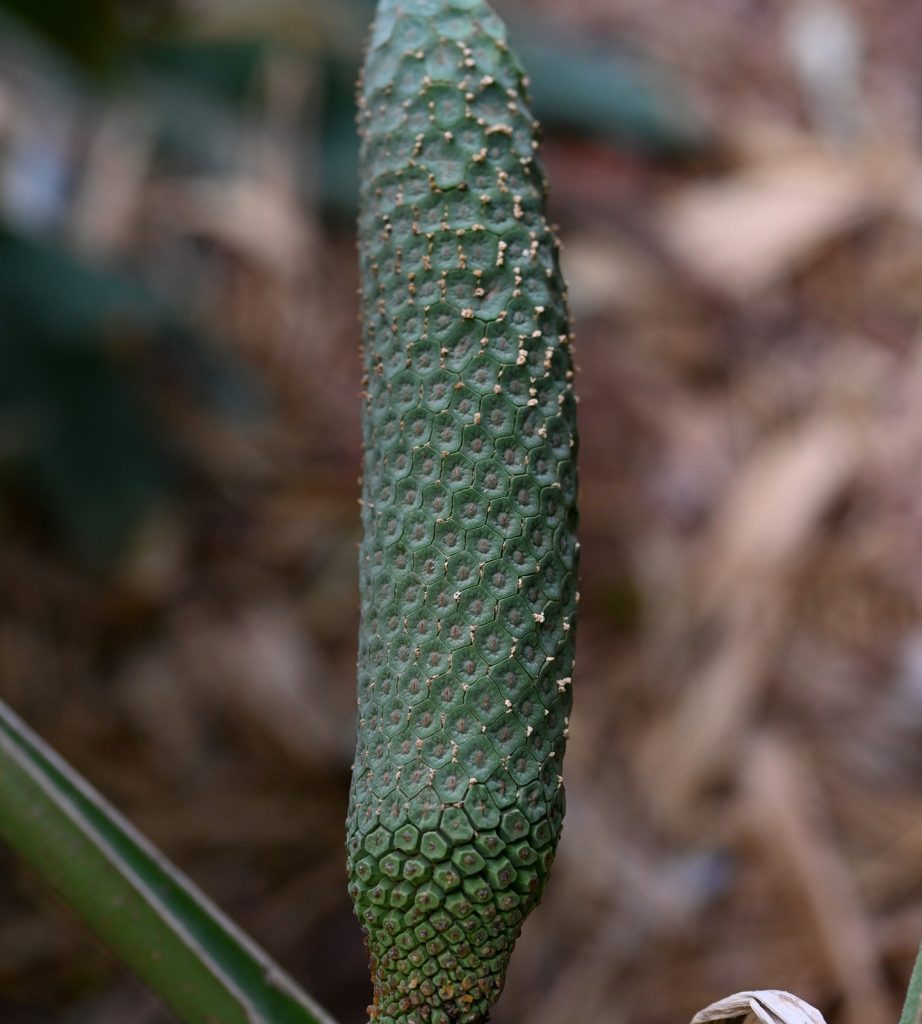
Here, fruiting is rare in apartments due to the lack of pollinators, but with a well-heated greenhouse, you could try the experience. Be careful though: consuming this aromatic fruit unripe causes oral itching due to the presence of calcium oxalate. It’s better to wait until the scales naturally fall off before tasting.
- The cut foliage reduces damage caused by heavy rains
- The monstera deliciosa can reach 3 meters indoors
- Regular repotting prevents nutrient deficiencies
- Young leaves do not always have holes: they appear with age
- A humid atmosphere promotes large spectacular leaves
- Monitor for the appearance of scale insects and aphids to limit attacks
Ceriman watering & pot size estimator
Estimate required water volume based on plant height and room temperature.
Estimated water volume per application:
ml
What problems do monstera deliciosa enthusiasts encounter?
Yellowed or spotted leaves, what to do?
It often happens that a ceriman shows yellow leaves or brown spots. Often, this is due to overwatering or a cold draft. Move the indoor plant or let it dry more between waterings. If the problem persists, look under the leaves: a parasite invasion may explain these symptoms.
A gentle spray of black soap or a diluted mixture of water + household alcohol will get rid of scale insects and other unwanted visitors. Also, place the plant aside for a while to stop contamination in the house.
Leggy shoots and leaves too small: is there a lack of light?
This is a classic mistake! When the ceriman receives too little light, it stretches upwards, producing thin and soft shoots. The leaves lose their characteristic cuts and remain small or oval. To fix this, bring it closer to a source of indirect light or invest in an LED horticultural lamp.
Gradually adding liquid fertilizer in spring stimulates the production of new patterned leaves. Between tips, I always remind beginners that patience pays off, as each “wave” of leaves sees the reappearance of those superb holes and slits that make the swiss cheese plant so charming.
What possible combinations with ceriman in interior decoration?
In terms of style, the ceriman enjoys the company of other tropical indoor plants: syngonium, caladium, or dracaena provide contrasts in shapes and colors. Consider playing with heights using hanging plants, while the monstera deliciosa will proudly occupy space near a bookshelf or sofa.
To emphasize its exotic side, opt for weathered terracotta pots and some wicker baskets. The urban jungle effect is guaranteed, even more so if you add a string of lights to highlight the texture of the foliage when night falls.