Who has never taken out of the washing machine a pile of discolored clothes because of a stray red sock? The discoloration accident happens even to the most organized among us. Between the surprise and frustration of seeing your favorite laundry turn pink or become grayish, there is the next step: repairing the damage with method and resourcefulness. Today, I offer you a real overview on how to treat discolored laundry, sharing my tips, feedback, and strategies to revive the brightness of the laundry without starting all over again.
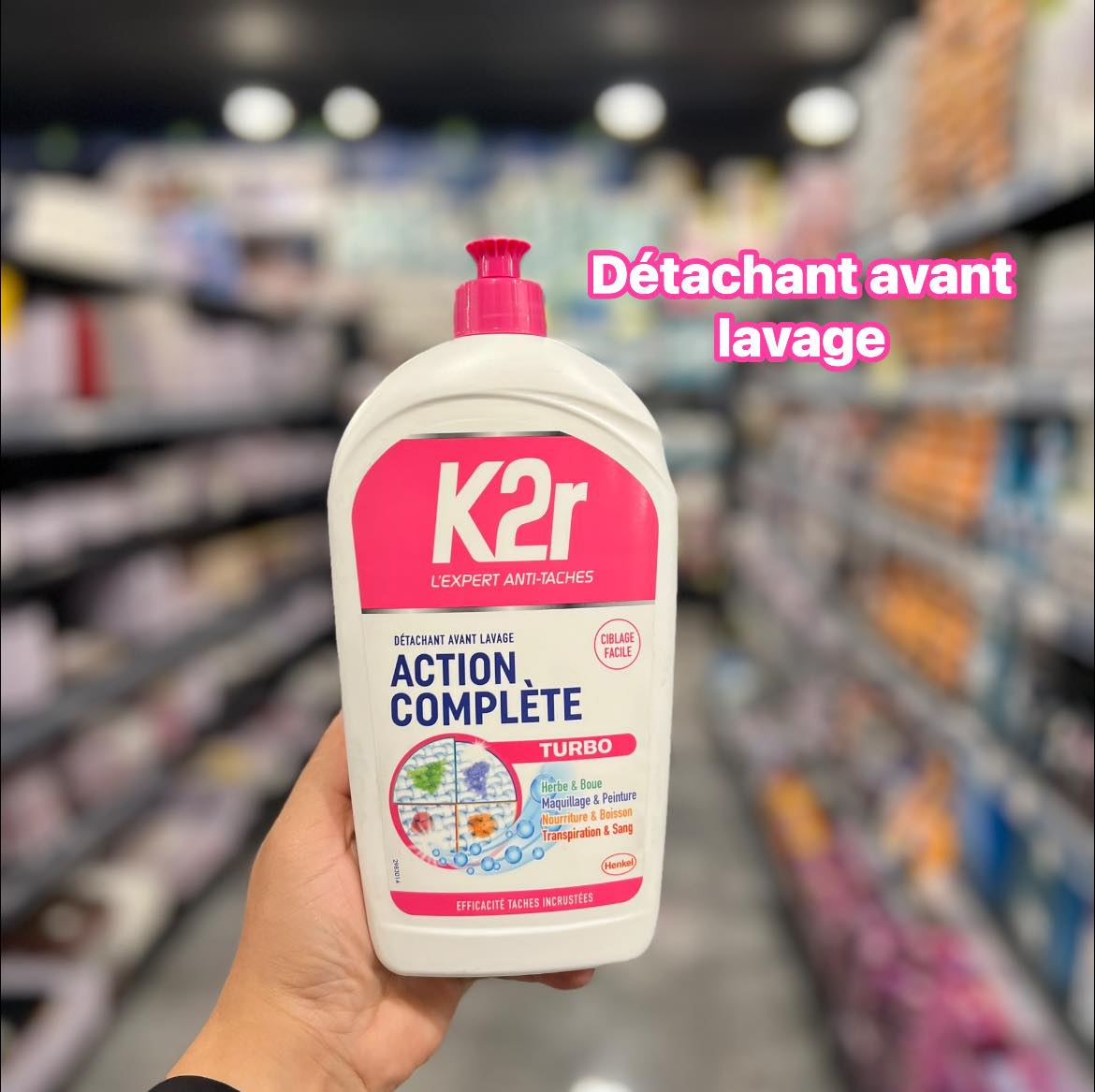
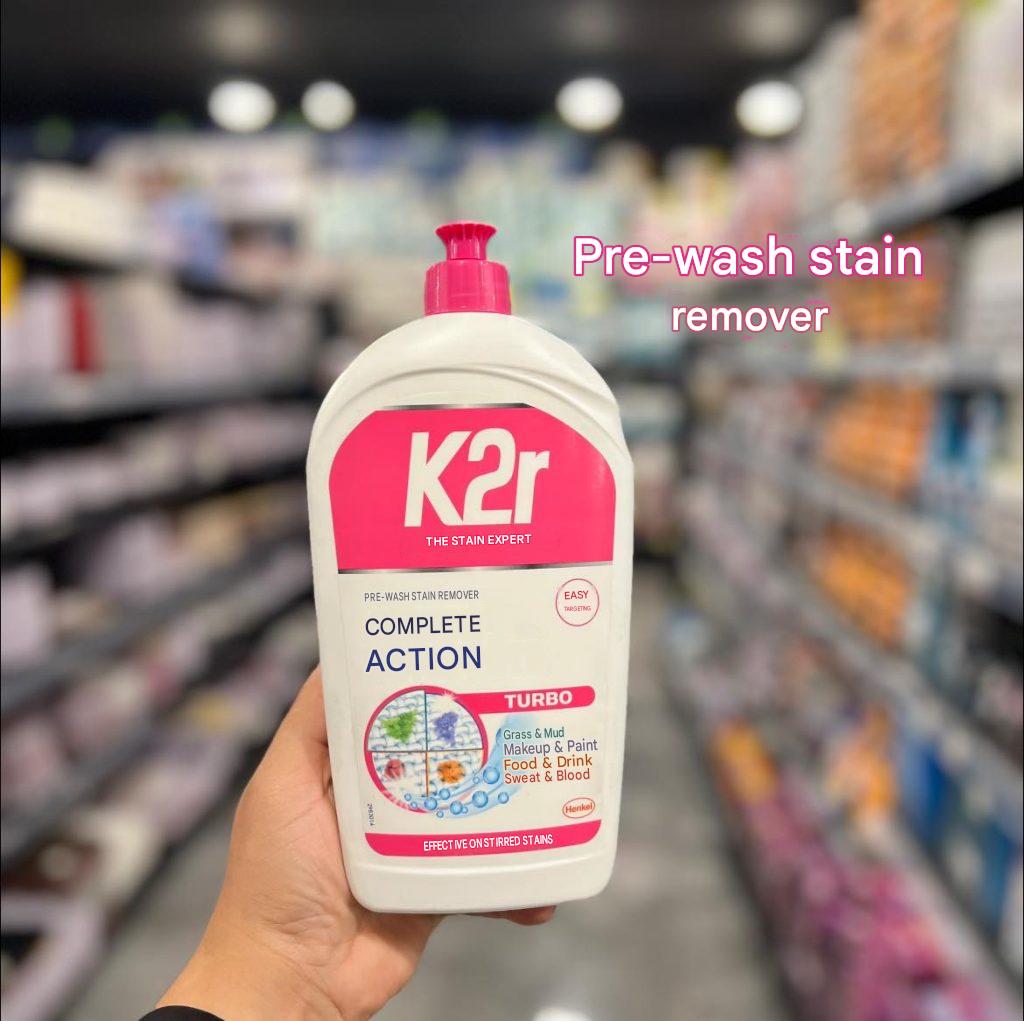
Insight: K2r is often mentioned as a miracle solution for discolored laundry, but its effectiveness strongly depends on the type of fabric and the nature of the discoloration. Originally designed to remove grease and localized stains, it can help in certain specific cases, but it does not always allow recovery of a garment whose color has largely bled. Using it properly avoids worsening the damage.
Understanding the cause of discolored laundry
Before launching into the battle against undesired colors, it’s better to know what caused the problem. Most of the time, it’s quite simple: a brightly colored item forgotten among whites, or washing at too high a temperature causes pigment migration between textiles. That famous red sock everyone talks about really exists… and rarely leaves things unscathed!
🗣️ My experience: Last April, I accidentally mixed a bright red t-shirt with a white cotton tablecloth during a 40-degree cycle. The replacement cost of the tablecloth was over 45 euros. The big concrete lesson I learned from this mistake is that a warm soaking bath with two sachets of specialized bleaching powder restores the fabric’s immaculate whiteness in only 30 minutes of reaction.
Another factor is the order in which you pour the detergent, add the clothes, or use the washing cycle. Some stain removal products work better if applied right at the start; others require some contact to really remove stains or limit color spread. We also sometimes underestimate the impact of an overloaded drum on washing quality.
| Situation | K2r Effectiveness | Risk | Advice |
|---|---|---|---|
| Localized light discoloration | Medium | Low | Test on hidden area |
| Recent color transfer | Low to medium | Moderate | Act quickly |
| White laundry turned pinkish/gray | Low | Low | Prefer another solution |
| Delicate fabric | Low | High | Avoid |
| Old discoloration | Very low | Low | Not very effective |
🌍 Did you know?
Red and pink dye molecules have a more unstable chemical structure than blue or black pigments. That’s why most discoloration accidents reported in laundries involve warm-colored garments washed above 30 degrees Celsius.
Preventing laundry discoloration: the right reflexes
Avoiding a discoloration accident often comes down to a few simple habits. Sorting laundry by color and checking every pocket already helps limit unfortunate mixes. Regularly adding color catcher sheets helps a lot, especially when several shades share the machine.
The other tip is to follow the programs recommended by clothing manufacturers. Cold washes greatly reduce the risk of color transfer, while 40 °C or higher can bring their share of surprises, especially if you follow the famous “all-in-one” rule to save time. Taking care of your laundry therefore involves these small preventive actions.
- Sort laundry (white, light, dark)
- Use color catcher sheets with every mixed cycle
- Run a pre-wash for very dirty or stained items
- Check the recommended temperature on the label
⚠️ Common mistake
The classic mistake is pouring bleach on a pastel shade that has bled. The chlorine will irreversibly yellow the white base and eat away the elastic fibers of the fabric, making the garment unwearable.
How to use a stain remover or a bleaching product?

Despite all the precautions in the world, accidents sometimes happen… At that point, there’s no question of throwing away or blindly rewashing! To get rid of bled laundry, various products exist: each targets a specific problem. Let’s be frank, having a suitable stain remover spray or bleaching product can make all the difference when it comes to removing stains or reviving colors.
Personally, I have experienced the panic of having to choose the right product in the store, among all those packages promising wonders. But overall, products in the k2r stain remover section offer four effective categories: powders, specific liquids for color milk stains, stain remover sprays for localized marks, and sachets dedicated to activating whiteness.
The classic instructions after an accident
When your favorite shirt comes out pinkish or grayish, you’re not doomed to wear it only in the basement. Quickly fill a basin with lukewarm water, dissolve the recommended dose of bleaching product in it, then immerse the affected item for about thirty minutes. During this phase, regularly check the fabric and gently rub if necessary, so as not to weaken the fiber.
After soaking, rinse thoroughly with cold water and do a quick wash again – ideally with a color catcher sheet that absorbs leftover pigments. Don’t forget to air dry, away from direct sunlight, to avoid any new damage caused by excess heat or light.
💡 Practical tip
Keep your SOS powder sachets in an airtight plastic box, completely protected from the humidity of the laundry room. The active color-restoring agents quickly deteriorate when exposed to ambient air.
Mistakes to avoid when treating bled laundry
A lived anecdote: believing that a very powerful stain remover will fix everything by doubling the dose often ends up prematurely wearing out the fabrics. Be sure to follow the instructions carefully, each garment reacts differently, and some delicate textiles could suffer more damage if the dosage is excessive.
Another common trap is soaking for too long: this weakens the fibers and further dulls the whole. Between two attempts, always be patient enough to rinse well and inspect the result before continuing. The secret is moderation and vigilance at every step!
Tips to revive the brightness of laundry after discoloration
👍 Strengths
- Radical effectiveness on white fabrics that have turned gray or pink again.
- Fast action in less than an hour by simple soaking in a basin.
- Respects the durability of original colors printed deeply.
🔻 Limits
- Emits a strong sulfur smell during soaking time.
- Unsuitable for delicate materials that are not compatible with hot baths.
A faded laundry quickly gives the impression of having lost its youth but there are plenty of DIY tricks to bring it back to life. From experience, the occasional use of a whitening activator often works wonders on yellowed towels and white t-shirts, especially when they have faded over the course of color accidents.
For colors, nothing beats the gentleness of a pre-wash with a mild product, followed by a machine wash with an anti-discoloration cloth. If the stain persists, apply a stain remover spray locally, taking care not to saturate the fabric or damage the weave.
- Try a lukewarm water + fine salt bath for faded colors
- Set a short cycle with a dose of special white powder to restore brightness to dull sheets
- Apply a homemade solution like diluted white vinegar on lightly discolored areas
- Repeat the operation only if the fabric appears healthy after washing
Practical tips to make your laundry last despite accidents
Those who DIY their laundry like me know that prevention rhymes with savings and ecology. Buy less, but save your laundry more often, that’s the challenge! Remember to check your machine’s filter regularly, because basic drum maintenance also limits the recurrence of stubborn stains or unexpected transfers.
On a daily basis, keep a few accessories close: a supply of absorbent cloths, a small soft brush to treat ingrained stains, and a box of bleaching powder for quick interventions. And, because we learn more from our mistakes than from our successes, don’t hesitate to note which types of fabrics react best or worst to each tested tip.
Before any application, it is recommended to understand the classic solutions against color-bleeding laundry and to compare with textile stain removal methods. To prevent recurrence, adopting the right washing habits is essential.
K2r and color-bleeding laundry: is it really effective?
Does K2r work on color-bleeding laundry?
Not always. K2r is primarily a targeted stain remover. It can reduce a light and recent color bleed, but it is not designed to recolor a textile.
On which fabrics can K2r be used?
Mainly on durable fabrics like cotton or denim. It is not recommended on wool, silk, or delicate textiles.
How to use K2r without damaging the laundry?
Apply the product on a test area, let it act for the indicated time, then wash immediately. Never use on an already weakened garment.