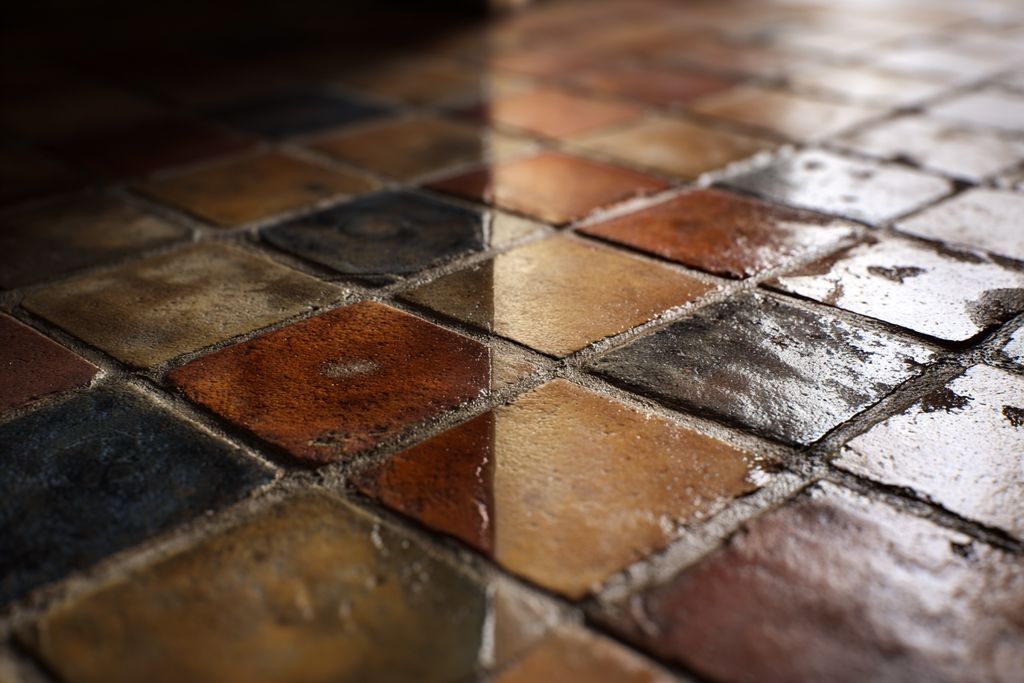
Ah, the famous Saint Marc laundry detergent, the one you find both in the cupboard of the country house and with building professionals! Many wonder if this product still holds up against all the innovations in tile cleaning. The user reviews are numerous: there are those who consider it a safe bet, and skeptics curious about its composition based on soda, soap, and pine resin. It’s the perfect opportunity to share my experience on its product effectiveness for degreasing and floor maintenance on a daily basis.
📋 **📋 In brief:** Personally, I consider this pine resin cleaner an essential product for deeply degreasing 95% of soiled floors. In my opinion, its effectiveness remains unmatched for preparing a surface before laying a covering. Use it sparingly and be sure to rinse thoroughly to avoid whitish marks.
Why choose Saint Marc laundry detergent to clean your tiles?
✅ Advantages
- Exceptional degreasing power on stubborn residues.
- Healthy composition without harsh chemical solvents.
- Excellent value for money compared to modern cleaners.
👎 Disadvantages
- Requires a rather tedious effort of rinsing with clear water.
- Can dull shiny surfaces if overdosed significantly.
It only takes a real spring cleaning session to understand why this Saint Marc laundry detergent remains popular. The elders will tell you it works miracles on tile stains and on walls before painting, and I can confirm! From the first pass, you feel the dirt melting under the mop. Its product effectiveness has often saved me after dusty construction sites or during renovations where nothing else could remove the greasy film except it.
🗣️ **🗣️ My experience:** In February 2026, I undertook cleaning the floors of an old kitchen of about 20 square meters. I spent only 4 euros on a box of traditional powder to strip the black grease joints. The lesson learned is that too generous a dosage doubles the time needed for the mandatory rinsing step with clear water.
For floor maintenance, this powder has the advantage of being economical and versatile. I have seen it used on kitchen tiles, bathrooms, and even some outdoor terraces. If there was any doubt, it’s at rinsing time that you understand the benefit: the floor becomes clean again, without that sticky feeling you can get with some other more fragrant but less effective cleaners.
To go deeper, I recommend reading our analysis on timeless grey tiles which complements this topic well. Our tutorial for successful tile grouting also provides useful tips for renovation. And to go further, the explanation on the difference between tiler and tile setter offers interesting insight.
Composition and mode of action of Saint Marc detergent
Want to know what has made it successful for ages? Take a look at the composition: mainly soda, soap, and pine resin. A combination that somewhat recalls our grandmothers’ recipes, but with all the modern efficiency expected for good tile cleaning.
The soda attacks grease and stubborn deposits. The soap provides that little wetting power that helps detach stains, and the pine resin leaves a discreet clean feeling, far from harsh chemical scents. This combination explains its reputation in household use, especially for everything related to intensive degreasing of tiled surfaces.
🌍 **Did you know?** Formulated from sodium carbonate and pine oil, this cleaning powder was created in France in 1902 and remains one of the oldest ecological and biodegradable household products on the market.
| Type of surface | Product compatibility | Recommended action | Suggested concentration |
|---|---|---|---|
| Porcelain stoneware | Excellent | Standard washing | 1 spoon per liter |
| Terracotta / Tiles | Medium | Immediate rinsing | Half dose only |
| Mortar joints | Maximum | Vigorous brushing | Thick targeted paste |
| Cement tiles | Not recommended | Avoid the product | Neutral alternative |
The natural degreasing effect
Whenever I’m asked how to fix a greasy kitchen after a raclette or an old room left abandoned, I recommend a soapy solution based on Saint Marc detergent. User reviews confirm my observations: you really notice a quick disappearance of marks and especially a time saving to restore the surface to new.
A little job site anecdote: during the renovation of my living room with beautiful light grey tiles, a nasty tomato sauce stain resisted all my efforts. A slightly more concentrated dilution, ten minutes of patience, and voilà: gone without a trace. Hard to do better with other common products, according to many shared experiences.
Reliable natural composition
Many are reassured by its simple composition which avoids unnecessary synthetic additives. Fewer allergens, no sticky films. However, note: the presence of soda requires some precautions during household use (gloves recommended, room ventilation…).
That said, you can adjust the quantity depending on the grime to be treated and save on the dose whenever possible: no need to use too much, the right dosage already ensures optimal cleanliness on all types of tiles.
⚠️ **Common mistake:** Using this product daily for household cleaning is a misconception. Its very strong stripping power eventually removes the surface protection of your tiles and makes them more porous to future stains.
Usage tips for tile cleaning
Using Saint Marc detergent seems simple, but there are some handyman tips to get the most out of its effectiveness. First step: properly dilute the powder in hot water, usually one or two caps for ten liters is enough, except for very dirty big jobs where you can increase the concentration a bit. Mixing until completely dissolved avoids white marks that could remain after drying.
💡 **Practical tip:** To strip very dirty grout, mix the powder with a little warm water to form a paste. Let it sit for 10 minutes on the area before scrubbing with a stiff brush.
Then, apply generously using a mop or a soft brush depending on the floor texture. Here, I insist: let it act for five to ten minutes on ingrained areas for truly effective floor maintenance, especially in case of tile stains that are difficult like kitchen grease or soil brought in from the garden on a rainy day.
- Respect the recommended dosage according to the floor condition
- Plan for a thorough rinse with clear water (avoid letting the pure product dry)
- Never use on untreated porous floors (risk of halos)
- Work with gloves to protect your hands, especially with frequent use
User reviews and real-world experiences
User feedback resembles a compilation of little tips passed down through generations. On specialized forums and in many work groups, Saint Marc detergent enjoys a solid reputation among tile cleaning enthusiasts. Genuine disappointments are rare, especially when the basic usage instructions are followed.
On the downside, some note a somewhat rustic smell that does not always appeal to younger generations accustomed to exotic scents. Nothing prohibitive, it eventually disappears once the floor is well rinsed and dry. Some users also report hand dryness if they forget their gloves during the big spring cleaning; an easy detail to anticipate.
Tile cleaning solution & dosage calculator
Calculate recommended Saint Marc powder dosage based on floor surface area.
Recommended warm water volume:
Liters
Recommended Saint Marc powder weight:
Grams
Comparison with new products
Compared to the crowd of miracle sprays sold today, Saint Marc detergent holds up thanks to a proven formula, while being much cheaper. It often wins the match on value for money, especially for tile cleaning in large areas or at the end of renovation work.
Additionally, the simplicity of storage is one of its strengths: a box lasts a long time and withstands the typical humidity of laundry or garage cupboards well. Enough to reassure those who want practical and robust for their household maintenance.
Bonus Tips Gathered from Construction Sites
Tip inherited from a tiler colleague: to maintain the beauty of matte tiles without dulling the surface, favor a diluted solution, always well rinsed and wiped before complete drying. A microfiber cloth immediately afterward helps to add shine without extra effort.
Finally, remember to check compatibility with your flooring: if you have very old tiles, sometimes microporous, first do a test in a discreet corner. This precaution avoids unpleasant surprises that even the best household detergents can cause with repeated use.