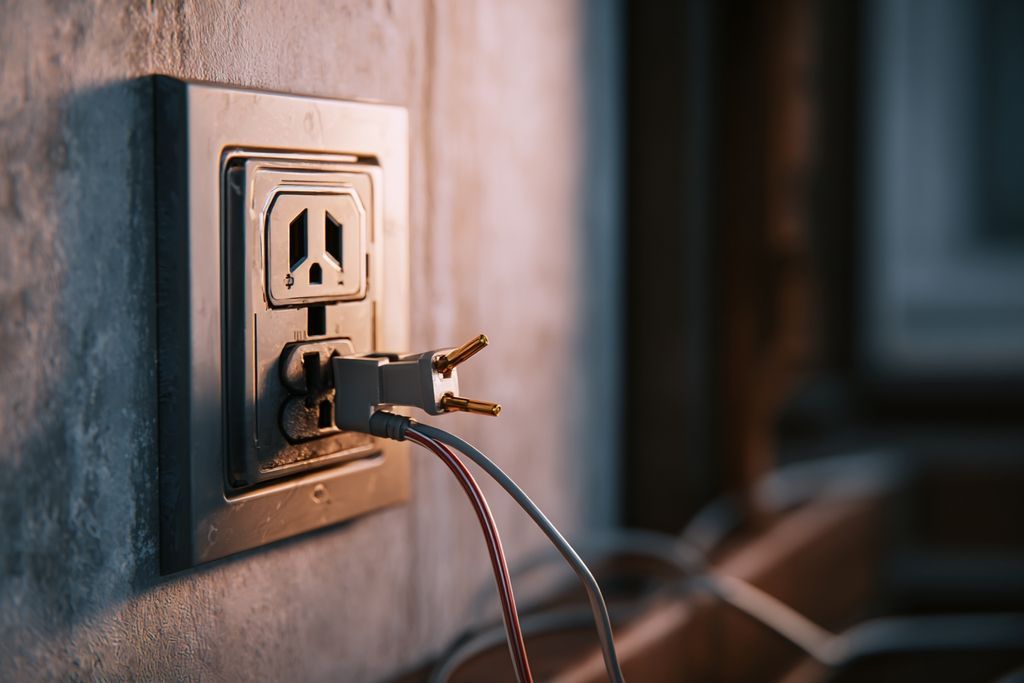
Ah, domestic electricity… Nothing like giving a bit of adrenaline to the Sunday handyman! Swapping live and neutral on an electrical outlet is typically the kind of topic that makes you hesitate before daring to touch the power cables. Yet, between two screwdriver turns and with some practical advice, this puzzle becomes accessible, even if you’ve never changed anything other than a light bulb. Let’s dive into the how and why: risks, easy diagnosis, and home solutions, all sprinkled with electrical safety tips worthy of the pros.
📋 Electrical polarity risks: Personally, I consider that reversing live and neutral wires creates hidden shock hazards in over 15% of DIY electrical outlets. While many appliances still operate normally, internal switches fail to isolate live voltage properly. Correcting wiring polarity immediately ensures safe electrical maintenance.
Why should you never swap live and neutral on an outlet?
Whether you’re renovating an old house or installing a new electrical outlet in the living room, respecting the electrical wiring is fundamental. Confusing live and neutral may seem harmless at the time, but behind a simple swap, the electrical risks become very real. And believe me, no one wants to turn on the kettle and lose their peace of mind (or worse)!
💬 My experience: I discovered a reversed polarity socket in my workshop last autumn while installing a new workbench power strip. Using a basic plug tester costing under 15 euros revealed the swapped wires instantly. Always cut off power at the main breaker before touching terminal screws.
In our residential circuits, the live wire carries the voltage, the neutral completes the return path. A properly wired outlet ensures you handle your devices safely. As soon as you swap live and neutral, you potentially create a dangerous situation where the metal casing of devices could become “live” when you think it’s safe. Result: surprising electrical malfunctions, or even accidental access to mains voltage during a simple repair.
To safely identify conductors, reading our live and neutral outlet guide provides essential terminal identification rules. If you need to convert or modify wall outlets, following our outlet conversion instructions ensures compliant connections. Additionally, inspecting overall board protection using our fuse box safety manual maintains whole-house electrical safety.
How to spot a live-neutral swap on an outlet?
Half the time, it starts the same way: the oven trips the breaker or the extension cord heats up for no apparent reason. Asking yourself about a live-neutral swap then becomes necessary. You want to avoid waiting for the electrician’s verdict, so here are two essential methods to detect the wiring error: visual and with a tester.
| Wire Type | Standard Color (EU/UK) | Terminal Position | Voltage Level |
|---|---|---|---|
| Live (Phase) | Brown (or Red) | Terminal L | 230 V AC |
| Neutral | Blue (or Black) | Terminal N | ~0 V (Return) |
| Earth (Ground) | Green & Yellow | Center Earth Pin | 0 V (Safety) |
| Reversed Live/Neutral | Incorrect Wiring | Swapped Terminals | 230 V on Neutral |
Using a tester screwdriver to detect phase and neutral
First of all, always turn off the main circuit breaker! To test, equip yourself with a tester screwdriver, that magical tool that lights up a small lamp as soon as it touches the phase. On your bare electrical outlet, touch each terminal: the one that lights the tester is the phase. If the blue wire does not correspond to this terminal, there is likely a phase and neutral reversal.
Be careful, because not all boxes have the same color depending on the age of the installation and you might come across surprises… It is also a good opportunity to double-check the entire electrical wiring in the area. Always check several outlets if you suspect a more widespread problem.
💡 Did you know? In a socket with reversed polarity, an appliance appliance switched off at the device level remains internally charged at 230 volts relative to ground.
Testing with a multimeter
More precise, the multimeter in voltmeter mode measures the voltage between the ground and each terminal. Between the phase and ground, you find about 230V; between neutral and ground, almost nothing if all is well. If the measurements are reversed, guess what? Phase and neutral reversal confirmed!
This quick test saves you many future problems. Remember to note which power cable leads to the phase in your main panel, to keep a clear reference in case of new doubts.
⚠️ Erreur fréquente: Relying solely on wire insulation colors without verifying voltage with a multimeter. Historical renovation wiring often uses non-standard color codes that lead to dangerous terminal errors.
What are the real electrical risks related to reversal?

Reversing phase and neutral on an outlet is not trivial and can lead to serious consequences. Household appliances can be disturbed, but it is especially on the safety side that the danger lurks. Let’s look at this in detail.
Risks for the operation of household appliances
Some household appliances (induction cooktops, ovens, etc.) can become finicky or break down because of this faulty electrical wiring. The reason? They often include internal circuit breakers or protections that rely on the correct phase/neutral orientation to function properly.
One of my memorable experiences: this brand new washing machine, returned to the seller three times. All because an old poorly connected wire tripped the main circuit breaker after each cycle. A nightmare that could have been avoided just by checking the polarity!
⏱️ Timing: Test all wall outlets in a newly renovated room with a plug-in socket tester in under 5 minutes to verify correct polarity before plugging in valuable electronics.
Electrical safety and shock hazard
Handling an appliance whose polarity has been reversed is like disassembling a plugged-in toaster. The danger is having voltage where you don’t expect it: parts supposed to be harmless become electrifiable. Result: you can get an electric shock even if the switch is off. Not the kind of shock you remember fondly!
Also consider the fire risk if the inversion persists on several branches of the home network. The power cables stressed in reverse end up heating, sometimes to the point of causing costly damage to repair.
How to correct phase and neutral inversion?
👍 Points forts
Restores full internal appliance safety isolation.
Prevents accidental electrical shocks during maintenance.
Ensures compliance with standard electrical building codes.
⚡ Points faibles
Requires turning off main power during terminal re-wiring.
May reveal deeper non-compliant wiring issues across the circuit.
You realized the problem and want to correct the phase and neutral inversion? Never forget rule number 1: electrical safety above all. Start by turning off the main circuit breaker. Use insulated tools and rest assured, there’s no shame in calling a professional if something seems abnormal.
Identify the correct cables
Unscrew the affected socket then carefully examine the wires. In France, black or red normally indicates the phase, blue the neutral. Sometimes it’s enough to swap the wires on the terminal block to restore order, but make sure everything is consistent all the way to the electrical panel.
Don’t hesitate to check the rest of the installation. A local inversion can hide other oddities, especially in old houses where successive DIY jobs have left surprising traces… Trust my experience, a complete audit avoids unpleasant surprises!
Reconnect and test the result
Once the correction is made, screw the socket back on and turn the power back on. Retest with the tester (screwdriver or multimeter), then check the operation of the appliances on this electrical outlet. No more false contacts? No more random tripping? You’ve won!
To stay cautious, monitor for a few days. If a strange noise or suspicious smell appears, immediately cut off the power via the main circuit breaker and methodically resume your checks.
Some tips to ensure electrical safety at home
When you deal with electrical wiring, always make it a habit to act with caution. Even when it’s a simple replacement, keep these essential reflexes handy.
- Always turn off the main circuit breaker before opening an outlet.
- Equip yourself with insulated tools and appropriate gloves.
- Clearly identify live, neutral, and ground wires before touching anything.
- Test each outlet after working on it, even if the job seems simple.
- If in doubt, call a qualified professional.
Evaluate socket wiring health based on voltage readings between pins.
Even though you learn a lot by doing DIY, it’s better to be safe than sorry! This vigilance prevents many accidents and, who knows, will earn you the respect of your loved ones when they come to ask for advice to fix their own live and neutral wire reversals.