A kitchen sink dishwasher is an essential element in home plumbing. It ensures the supply of cold and hot water as well as the drainage of wastewater.
At some point, water may stop flowing and bad odors may escape from the pipe. The presence of limescale and food residues sometimes causes blockage in the drainage system of a sink.
It is therefore necessary to unclog the dishwasher drain. Indeed, a plumber is the professional who can take care of it. But it is also possible to do the plumbing yourself by following the advice below:
📋 Key points: Personally, I consider that 95% of drainage problems can be avoided by a simple monthly cleaning of the siphon. For me, it’s an easy habit to adopt that saves your plumbing. A sink that drains poorly is often the warning sign of a bigger clog that could cost you a lot in repairs.
How to effectively unclog my sink drain?
During bathroom renovation, it is common to carry out plumbing repairs for water leaks and to ensure maintenance of the autonomous sanitation system. Take the time to check the condition of the plumbing.
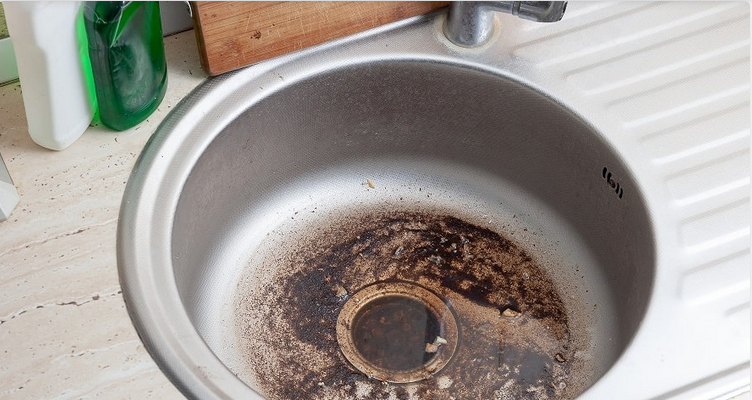
When kitchen sink water does not flow normally or certain unpleasant odors rise throughout the house, it is urgent to unclog the kitchen sink.
To make the task easier, do not hesitate to undo the sink siphon. Since the clog often consists of organic matter that hardens over time, nothing beats extracting it by hand.
To do this properly, you must first equip yourself with a wrench or adjustable pliers, a pair of gloves, and a basin or bucket.
Once all these items are gathered, you can unscrew the sink siphon. Then let the water flow into the container. Remove the clog and clean the siphon. All that remains is to screw it back on and put it back in place.
🗣️ My experience: In March 2024, I spent three hours dismantling all my piping for a simple coffee grounds clog. I had to spend 12 euros on new seals because the old ones had dried out. The lesson learned is to always use a strainer to filter solid residues before they reach the pipe bend.
Besides that, it is possible to unclog a sink with a grinder. Also known as a kitchen grinder, it allows crushing all household waste into small pieces. The goal is to prevent the sink from clogging and to improve the wastewater drainage system.
Using a plunger is also among the most common techniques to unclog a kitchen sink dishwasher. The method consists of creating a vacuum to lift the clog.
If the clog seems stubborn, try to get rid of it with a plumber’s snake. Despite its name, it is not reserved only for professionals. You can very well handle it to unclog the kitchen sink drain pipe.
What are the signs of an imminent blockage in a sink drain?
Grease and limescale deposits eventually create clogs from time to time. They block the wastewater drainage system of a kitchen sink, bathroom sink, or a basin drain.
Before the situation worsens, it is imperative to pay close attention to the various signs indicating a kitchen sink water drainage problem. If you have trouble interpreting them, you risk facing a more or less costly plumbing repair.
Every homeowner should be alert when there are strange noises at the kitchen sink. When it is emptied, it produces gurgling sounds. Similarly, this phenomenon can appear when you flush the toilet.
As soon as this situation arises, it is advised not to take it lightly. It indicates a clog at the kitchen sink water network connection.
Bad odors are also among the signs of a blockage in a basin drain or a kitchen sink wastewater drain pipe.
This is undoubtedly due to the accumulation of food debris causing a foul stench. Do not sit idly by; try to check the installation to get a clearer view.
When water stagnates in the sink or drains very slowly, a clog may be forming. It obstructs both water flow and wastewater drainage. To avoid making things worse, make sure to unclog the kitchen sink.
If you are not very skilled in plumbing repair, do not hesitate to call a plumber. They not only master the repair of sanitary water production equipment but also the unclogging of the kitchen sink trap.
💡 Practical advice: Before unscrewing your trap, always place a basin and a mop underneath. There is about 0.5 liters of stagnant water in the bend that will drain instantly upon opening.
Can baking soda and vinegar be used to unclog the drain?
To get results as quickly as possible, some people resort to chemical drain cleaners. Easy to use, they are available in specialty stores.
⚠️ Myth: Pouring coffee grounds into the sink would “strip” the pipes. This is completely false. Coffee grounds are heavy and end up clumping with grease, creating a clog that is extremely difficult to remove without a plumber’s snake.
However, it must be admitted that they are corrosive. They pose a danger to your health. Moreover, they can damage the kitchen sink drain pipe. There is nothing safer than using natural products to unclog the kitchen sink.
Baking soda and white vinegar are among the most used grandmother’s remedies. Their use is child’s play.
To begin, pour the baking soda into the drain pipe you want to unclog. Regarding the quantity, consider pouring at least 4 heaping tablespoons.
The next step is to add a glass of white vinegar. Their mixture creates a certain emulsion that clears the wastewater drainage system.
Wait and let it act for about 60 minutes. Once the waiting time has elapsed, the final phase is to pour boiling water into the sink. This effectively and quickly melts the clog. It is capable of dissolving it completely.
Your kitchen sink is ready to use again. You can notice that the drainage in the pipes seems smoother. This way, you are not obliged to call a plumber.
How to prevent frequent blockages in the sink drainage?
Maintenance of the autonomous sanitation system and plumbing repairs for water leaks can sometimes become costly when frequent.
Especially since you have to call a plumber for unclogging a kitchen sink siphon, these expenses ultimately result in a significant cost.
Although this task is often covered by the home insurance contract, it is more reasonable to prevent the problem.
The best way to anticipate the blockage of kitchen sink water drainage is to avoid the accumulation of grease. Whether it is dairy products, butter, meat juice, or any cooking oil, these creamy substances gradually harden as they cool.
They then leave a deposit in the pipes blocking the operation of the kitchen sink wastewater drainage system.
To avoid this, you just need to adopt a few habits. Make sure to put leftover grease in a container so it does not accumulate in the sink drain pipe. Then throw it in the trash.
When washing oily utensils, add a few drops of degreasing dish soap inside the drain. After this step, run boiling water.
It is preferable to use a strainer or filter in the kitchen sink. This device prevents food residues or other non-liquid materials from entering the pipe. Don’t forget to clean it two or three times a week.
As for preventive maintenance, try to fill the kitchen sink with boiling water every month. This literally dissolves the clog in the pipes. You can also clean the drain plugs every week.
Are there natural or ecological products to clean and maintain the drainage?
👍 Highlights:
– Economical solutions
– Simple equipment required
– Environmentally friendly
🔍 Limitations:
– Requires patience
– Contact with dirty water
– Limited to small clogs
As we just explained above, baking soda and white vinegar are among the best-known natural solutions. Many use them to care for the kitchen sink wastewater drainage system in the bathroom.
Apart from them, the easiest and most economical method is to use boiling water. Its heat effectively cleans the pipes.
You can also mix it with dishwashing liquid or liquid soap. Then pour everything into the deepest part of the kitchen sink.
You will see that the sink drainage gradually improves. Its lubricating action cleans the installation and gets rid of a small clog.
Cola is also very helpful for unclogging the kitchen sink. You just have to mix it with a small spoonful of baking soda and white vinegar then pour everything into the sink. The phosphoric acid present in the soda acts on the clog to neutralize it.
🌍 Did you know? Food fats are responsible for 70% of household clogs. When cooling, the oil solidifies in your pipes and creates a real glue that traps all other waste.
Some sinks are made with more delicate materials. If you use harsh products to care for them, they can be easily damaged.
This is the case for a model made of black resin. You can clean it with simple lemon juice. Mixing it with warm water not only removes stains but also restores the sink’s shine. Lemon juice also preserves its matte appearance.
Besides that, coffee grounds have unexpected virtues. To use them, put a tablespoon of ground coffee into the sink drain pipe. Add a liter of boiling water. The combination dislodges grease buildup in the pipe and simultaneously eliminates bad odors.
| Tool Used | Effectiveness | Difficulty | Average Cost |
|---|---|---|---|
| Plunger | Light clogs | Very easy | 5 – 10 € |
| Manual auger | Deep clogs | Medium | 15 – 30 € |
| Enzymatic product | Preventive | Easy | 10 – 20 € |
| Siphon disassembly | Localized clog | Medium | 0 € |
How to install or replace my sink siphon to ensure proper drainage?
Certainly, the home insurance contract covers in most cases pipe problems and plumbing maintenance. Despite this, installing a siphon is not a difficult task at all. With some technical knowledge, you can do it yourself.
Before explaining its installation, it is appropriate to recap the roles of a sink siphon. It is a major sanitary device that facilitates sink drainage. It also retains bad odors from the pipes.
To replace it, you must start by dismantling the old siphon. But before you begin, first turn off the water supply to avoid water overflowing from the kitchen sink. Then place a bucket to catch waste and water.
That said, you can now loosen the fixing nuts and then remove the siphon. You must act gently to avoid damaging the drain pipe.
After the water in the siphon is fully drained, clean the kitchen sink water connection. Install the sealing gaskets and put the new siphon in place. Once it is properly fixed to the wall, take the time to check its proper functioning and tightness.
To do this, let the water run for a few minutes. The goal is to analyze the functioning of the wastewater drainage system. This also helps you check whether the trap is able to retain water or not to limit the backflow of gases.
What to do if water rises in the sink despite an apparently clear drain?

Water rising in the kitchen sink can be a source of inconvenience. This phenomenon is generally due to the formation of blockages that disrupt the normal operation of wastewater drainage.
It can be classified among major plumbing problems. To solve it, it is quicker to get results by using a chemical drain cleaner.
Due to the sulfuric or hydrochloric acid it contains, the product quickly removes residues that clog the pipes. It is recommended to wear special gloves before handling it.
At some point, this solution may fail to resolve the water backflow. In this case, it is possible that an error was made in diagnosing the origin of the problem. It has nothing to do with blockage of the wastewater drainage system.
The water backflow may be caused by improper installation of a sink trap. It is therefore necessary to inspect it. Take the opportunity to check its condition. If the device is defective, it is better to replace it permanently.
Poor ventilation can similarly cause a suction effect. As a result, it causes water to rise in the kitchen sink. To ensure atmospheric pressure stability, it is imperative to guarantee good ventilation of the wastewater drainage system.
If all these measures fail to stop the water backflow, try checking the slope of the pipes. If they do not have a sufficient slope, they prevent solid debris and water from flowing towards the sewers.
Damaged or worn pipes also cause backflow in the sink. Their replacement may be urgent to improve wastewater flow in your sink.
How to detect and repair a leak at the sink drain?
Generally, this kind of leak is quite obvious. You cannot ignore the dripping of kitchen sink water. It most often comes from the seal of the drain pipe or the faucet. Otherwise, a damaged part may be the cause.
No matter the cause, it is urgent to get rid of it to avoid water damage. Start by turning off the water supply to the house. This allows you to stop the sink leak even temporarily.
Once this step is done, tighten the water network connection bolts. If these loosen, they can cause a water leak under your kitchen sink.
If this measure is not effective in slowing the flow, disassemble all the connections. Then check the condition of the seals. If you notice any deteriorated elements, do not hesitate to replace them.
If the leak comes directly from the trap, it must be disassembled, cleaned, and if necessary, the seal changed. Despite all these measures, if the water keeps flowing, it is advisable to entrust the problem to a specialist. Consider calling a plumber in your area.