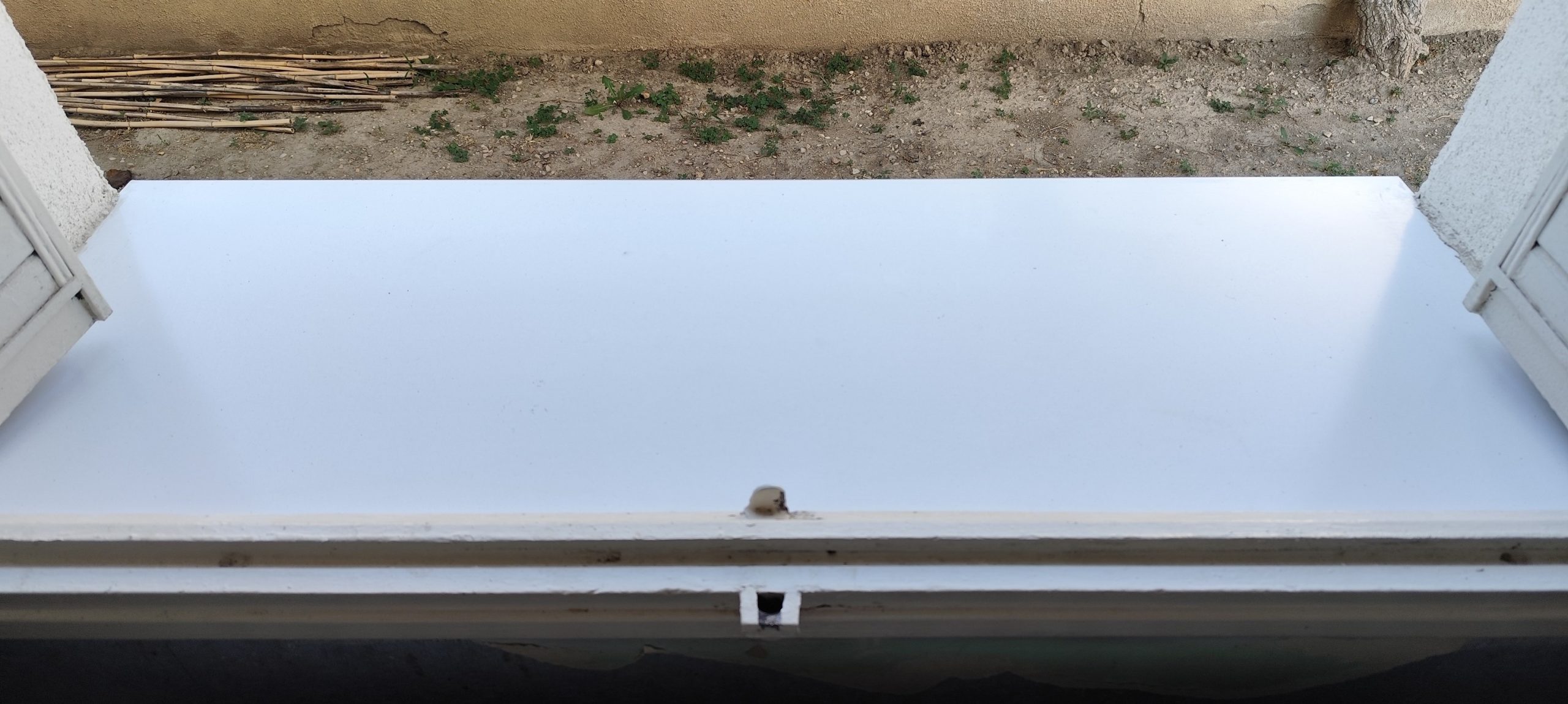
When you start a renovation project or new construction, the choice of the window sill color is rarely one of your first concerns. Yet, this is where everything is decided to harmonize the facade of your house and give that neat finish that catches the eye – sometimes without really knowing why. Between the trend of anthracite gray, the return of natural wood tones, or the simplicity of timeless white, there is plenty to hesitate about. And frankly, once the pot of paint is opened, it’s too late for regrets! So, to avoid unpleasant surprises and give you a hand in choosing colors, we will break down together all the options, practical tips, and even a few little mistakes picked up on sites.
📋 What to remember: Personally, I consider the window sill often the great forgotten element of the facade, even though it frames the view outside. A light shade visually enlarges the opening and repels heat, while a dark color like anthracite gray better masks urban pollution. Always take into account the architectural style of your house and the color of your joinery before finalizing your choice.
Why does the color of the window sill influence the exterior?
When you observe the exterior of a house, there are lots of details that escape you if you don’t have a trained eye. The window sill, however, imposes itself discreetly: it is the link between the wall and the joinery. The right color choice will completely change the overall look of a facade. A dark sill highlights the frames, while a light tone blends the elements into a bright whole.
📍 My experience: In spring 2023, I repainted the edges of my house in pure white for 45 euros of paint, thinking it would bring maximum brightness. From the first autumn rains, every drop of water loaded with dust left a very visible mark. The lesson I draw from this is that it’s better to opt for slightly off-white or mineral tones, like beige or pearl gray, to facilitate daily maintenance.
This little ledge is not only used to protect the wall from water infiltration. It also offers real decorative potential, especially with materials like concrete, stone, or even wood. Each material captures light differently, and the color of the sill plays on this effect. Imagine an exterior with beige plaster and dark gray sills: immediately, the house looks more contemporary. Conversely, light tones like white are perfect for visually enlarging.
To successfully carry out your exterior renovation, I recommend reviewing the guide for choosing and installing your joinery which complements this topic well. If your walls are old, knowing how to redo facade waterproofing also provides useful tips before painting your sills. And to go further inside, our wall decor ideas offer interesting insight to harmonize your ledges with your living room.
The main color families for the window sill
| Chosen color | Suitable facade style | Maintenance level | Thermal absorption |
|---|---|---|---|
| White or very light gray | Contemporary house | Very high (gets dirty) | Low (stays cool) |
| Anthracite gray or black | Industrial or loft style | Low (hides dirt) | High (heats up in the sun) |
| Beige or stone tone | Traditional house | Medium | Moderate |
| Brick red or terracotta | Provençal or rustic farmhouse | Medium | Moderate |
Choosing the color of the window sill is a bit like picking between different interior decor styles: you have to juggle personal taste, practicality, and possibly local regulations. Some municipalities even require specific colors to preserve harmony in historic neighborhoods. Always check with the town hall before grabbing your paintbrush!
- Neutral tones (beige, gray, white): easy to match, they transcend trends.
- Natural tones (wood imitation): bring warmth and authenticity.
- Bold colors: deep blue, olive green, brick red… to dare originality.
First of all, consider the orientation of the house and its immediate surroundings. Depending on the lighting, some colors will stand out or, on the contrary, appear dull.
🌍 Did you know?
Thermal absorption varies greatly depending on the chosen color. A window sill painted black can reach 65 degrees in the summer sun, which accelerates aging and cracking of the silicone joints of your window, compared to only 35 degrees for a white surface.
Neutral tones, allies of all facades
Beige, gray, or white are classics. They appeal because of their ability to blend with almost all architectural trends. If you want to avoid headaches or ensure a timeless result, go for one of these colors. The white sill works great with white or cream windows, while gray pairs wonderfully with contemporary or industrial exteriors.
For those living in very sunny regions, white also has the advantage of not absorbing heat. No question of touching a burning sill every time you open the window… It may seem trivial, but believe me, you think about it in the middle of August!
⚠️ Common mistake
Trying to match the window sill color exactly to the exact shade of the facade plaster. This is a visual mistake because it completely erases the volumes of the house. It is always better to create a slight contrast, either to highlight the window or by recalling the color of your shutters.
The authentic charm of wood or wood imitation
The wood effect is very popular, even on window sills that are supposed to be synonymous with robustness. Wood-effect paints or sills made of composite materials imitating wood grain are appealing because they immediately warm up a facade. Perfect if you want to soften a cold exterior, or give a “chic countryside” style without breaking the bank.
The real difficulty is maintenance. A wooden window sill requires regular staining, otherwise it will quickly fade. But honestly, with today’s good products, you can last several seasons without touch-ups if you apply your paint correctly.
💡 Practical tip
Before applying your new color on old concrete or cement, allow at least 24 hours of preparation time. A thorough washing followed by the application of a special exterior bonding primer will guarantee the paint’s adhesion without any peeling for at least ten years.
How to match the window sill with the rest of the house?
✅ Advantages of light shades
- Reflect light into the room
- Protect joints from summer heat
- Are easy to match with all types of plaster
🔻 Limitations of light shades
- Highlight traces of urban pollution
- Sometimes dazzle in strong southern exposure
- Require more frequent sponge cleaning
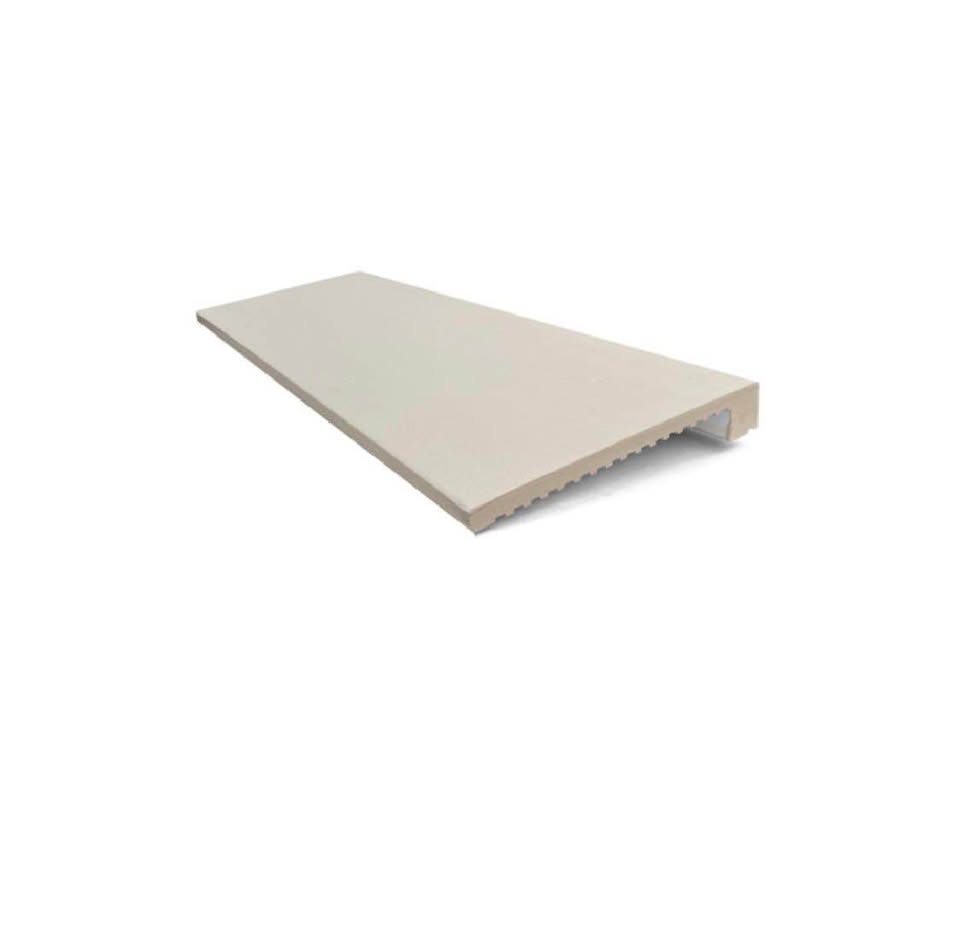
It’s not uncommon to come across houses with brand new windows and… sills that clash. Sometimes, it’s just a matter of habit or lack of attention. To avoid this lack of harmony, here is what I recommend after making all possible mistakes during my first projects:
- Observe the dominant shade of the facade.
- Compare the color of the frames (doors and windows).
- Take into account visible exterior elements: shutters, railings, low walls, etc.
- Look at the material of the sill: concrete, stone, composite material, each surface reveals a paint shade differently.
Some deliberately choose strong contrast: anthracite gray sill on a white wall, or sand beige to brighten a brown wall. Others prefer tone-on-tone harmony for a calming atmosphere. There are as many methods as DIYers, but to play it safe, always make a test board – it avoids family battles in front of the house!
Why favor neutral or natural tones for the window sill?
You can’t be disappointed with a window sill painted in gray, beige, or white. First, these colors withstand the years well and better resist dirt. Then, they are easy to repair: a small touch of paint is enough to hide a scratch or a chip.
Moreover, neutral tones have the gift of enhancing your exterior. This is obvious in homes put up for sale: clean and aligned window sills, bright facade, it reassures and gives the impression of thorough maintenance. Even if, for you, the sill is just a detail, visitors will not fail to notice a poor choice.
Window sill paint calculator
Estimate the volume of exterior paint required for your window sills.
Estimated paint volume needed:
Liters
Gray, the star of modern facades
It’s impossible to miss anthracite gray when visiting recent neighborhoods. This modern color highlights the window outlines and is perfect if you want a contemporary look. Whether you go for a light weather gray or a dark gray leaning towards black, you will remain trendy and sober at the same time.
A little tip: avoid shades too close to those of the woodwork. With two identical grays, everything blends and loses the desired effect. Prefer a slight contrast or play with matte and satin finishes to subtly vary the appearance depending on the light.
Beige and white, safe bets for lovers of soft atmospheres
A beige window sill brings softness and warmth to the facade. It structures without hardening, ideal for stone exteriors or traditional plastered walls. Beige adapts easily if you change the color of shutters or doors: this way you avoid dilemmas with every new decorating whim.
As for white, it remains unbeatable for visually enlarging surfaces and emphasizing the cleanliness of a facade. However, it should be reserved for areas less exposed to dirt, as a white sill requires more maintenance if you live near a dusty road or on a busy street.
What mistakes to avoid with the color of the window sill?
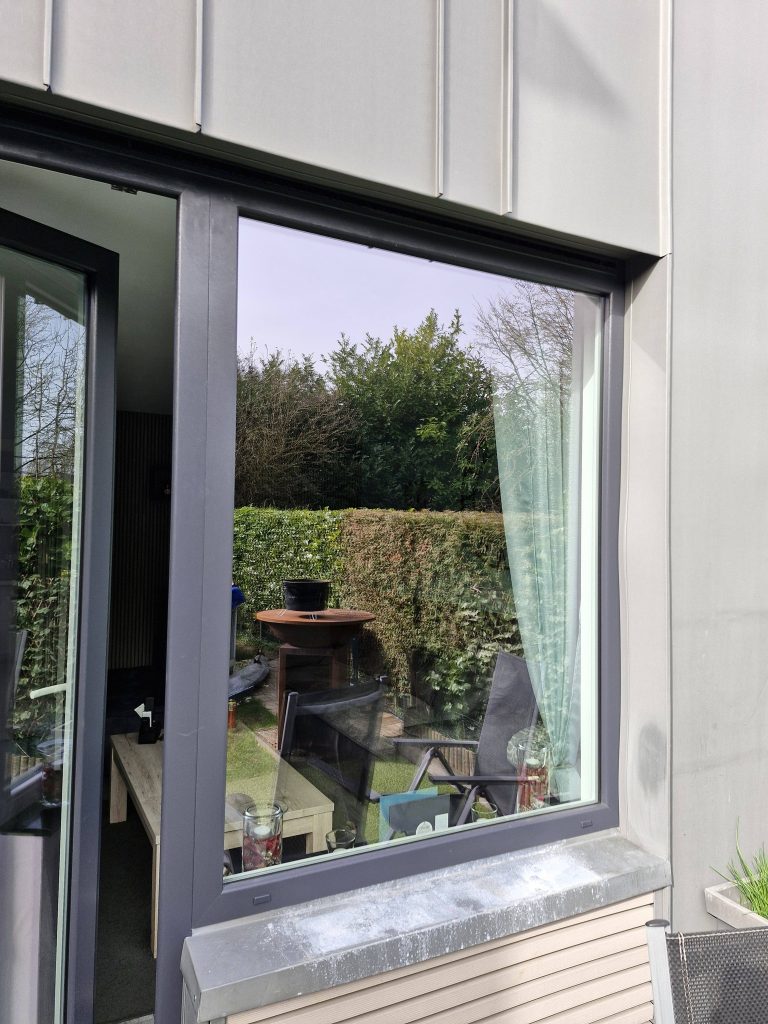
From experience, we often learn more when we fail than when we succeed on the first try. So here are some pitfalls to avoid at all costs, so you don’t have to redo the work twice:
- Forgetting to clean or sand the sill before painting: you risk poor adhesion and visible bubbles.
- Underestimating the impact of natural light on the actual color applied: a shade chosen in the store can change when exposed to full southern sun.
- Neglecting coherence with the architectural style of the neighborhood: it’s better to integrate with the environment than to create a total break on an old building.
Often, the biggest mistake is choosing colors too quickly, without taking the time to test on a small hidden area. Trust my experience, nothing is worse than having to strip a freshly repainted sill because the color doesn’t match the desired atmosphere. Half a day of patience beforehand saves you a lot of trouble later.
How to apply paint on a window sill?
Now let’s move on to purely technical aspects. Painting an exterior is not something you improvise; the sill requires serious preparation if you want the color to last over time. After carefully cleaning (scraper, suitable detergent), let the surface dry thoroughly.
Don’t forget to use a specific exterior paint, resistant to rain and UV rays, or else you will see everything flake off after a few seasons. Use a foam roller or a flat brush, apply two thin coats rather than one thick one, and wait for complete drying between each coat.
- Always prepare the surface: cleaning, sanding, repairing any cracks.
- Remember to protect the surrounding woodwork with masking tape.
- Respect the drying time indicated on the container.
- Preferably do the work in dry weather, neither too hot nor humid.
If you ever want to preserve the raw look of a stone windowsill, just use a colorless water repellent: it protects without altering the natural appearance. When in doubt, ask a specialist seller. I once made the mistake of applying a standard stain on concrete: not only does the color change, but it peels off very quickly.
What impact can the choice of color have on maintenance?
Over the seasons, some colors age better than others. Regular maintenance, acid rain, pollution, or moss… the outdoor life of a window sill is not easy. Neutral tones tolerate everyday minor issues better. On a white sill, the slightest mark stands out, whereas a pearl gray wonderfully hides dust deposits.
A sill painted in a shade close to that of the wall generally requires fewer touch-ups. You can space out cleanings: this is practical if the house faces directly onto the street or if the environment is wooded. Keep this in mind if you have little time to scrape, wash, or repaint every two years.