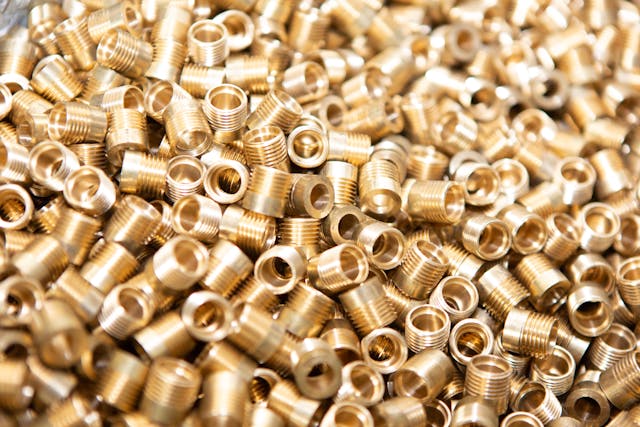
Have you ever found yourself in your workshop, a handful of old objects in hand, wondering how much you could get for all this brass? Whether you’re a seasoned DIYer or simply curious about raw materials, the price of brass always intrigues. Around the question of buying back brass revolve a lot of technical criteria and also real-life stories from construction sites, because every piece of brass carries its little anecdote. Today, let’s dive into this topic by discovering together what really influences the price, how to recognize different types like yellow brass or white brass, and what tips to adopt to maximize the value of your waste with the scrap dealer.
📋 📋 Key points: Personally, I consider that the evolution of the value of this alloy remains a crucial indicator for the profitability of our projects, as its buyback value has risen by 18% in recent months at scrap dealers. My opinion is that one must closely follow the prices of base metals to optimize stocks of hardware and fittings. Get into the habit of sorting your leftover tubes and valves to maximize the value of your workshop waste at the best price.
What are the characteristics of brass?
🌟 Advantages:
• Excellent resistance to corrosion in humid environments.
• Very easy machining and shaping for plumbing.
• High-end golden aesthetic highly sought after in decoration.
🔍 Drawbacks:
• Initial purchase price high compared to plastics and steel.
• Sensitivity to natural oxidation over time.
• Direct dependence on strong fluctuations in stock market prices.
Brass, often confused with copper or bronze, is actually an alloy mainly composed of copper and zinc. This mixture not only gives it its famous golden hue but also a notable resistance to corrosion. You can find brass objects all around us: door handles, faucets, plumbing pipes, or musical instruments, all proof of its versatility.
🗣️ 🎒 On site: During the complete dismantling of the heating system of an old industrial building in Haute-Vienne in February 2026, I was able to recover a substantial batch of old valves and collectors weighing a total of 85 kilos. By selling this stock directly to a specialized recycler at a time when the local price peaked at nearly 4.80 euros per gross kilo, I was able to self-finance part of my new power tools. The lesson learned is that meticulous sorting of metals on a construction site constitutes a significant source of additional income.
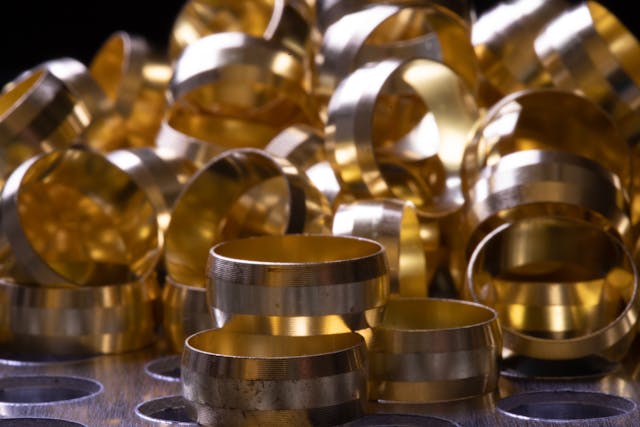
There are several types of brass distinguished by their use and exact composition. Yellow brass is the most common, recognizable by its bright golden color. There is also white brass, whose appearance tends towards silver due to a higher zinc content. These distinctions are important when sorting before selling brass by the kilo to a scrap dealer, as they directly influence the value of the batch.
To go deeper, I recommend looking at the techniques to patinate zinc which complements this topic on the treatment of copper alloys well. Our complete guide on how to make a plumbing fitting also provides useful tips for assembling these metal parts in a watertight manner. And to go further, our file on metal solutions that transform your home offers interesting insights on the decorative use of these characterful materials.
How is the price of brass determined?
| Brass Category | Average Price per Kilo | Copper Proportion | Main Use |
|---|---|---|---|
| Mixed plumbing brass | €4.20 to €5.10 | 60 to 65% | Valves, used fittings |
| New turned brass | €5.30 to €6.20 | 58 to 60% | Bars, industrial screws |
| Clean brass scraps | €4.90 to €5.80 | 63 to 70% | Machining waste, factories |
When you want to recycle or sell brass, the first logical question is about the price of brass per kilo. But you should know that this price depends on various factors that are better understood before arriving with a full skip at the scrap dealer.
- Purity or condition (clean or dirty brass)
- The type of brass (yellow, white…)
- The quantities delivered
- The evolution of the international metals market
- Quick negotiation and local network
🌍 Did you know? Brass has the technical property of being 100% infinitely recyclable without ever losing its mechanical qualities or its original thermal conductivity.
An informed DIYer will never make the mistake of mixing clean brass, free of any foreign matter, with dirty brass, still covered with residues, paint, or connected to other materials. To give you an idea, clean brass generally achieves a higher price at weighing compared to dirty brass.
What are the different types of brass on the market?
On the scrap dealer’s scales, not all pieces are equal. The distinction between yellow brass and white brass clearly affects the variation in the price of brass. Yellow brass, notably from old faucets or fittings, is highly sought after because it is easy to recycle. Its quality sometimes justifies a slightly higher price.
On the other hand, white brass is less commonly found in our household recycling, but attracts connoisseurs when it comes to precise parts. The price per kilo will vary depending on demand and the purity found in your collection. A tip: be sure to separate each type well before going to the scrap dealer, as this step optimizes resale.
⚠️ Warning: Leaving pieces of iron or plastic mixed with your batch of brass during weighing. The professional will immediately downgrade your entire bag to the lower category of poor metals, causing you to lose up to 60% of its real value.
Why do we talk about clean brass or dirty brass?
As soon as you try to optimize the purchase of brass, this distinction comes up repeatedly. Clean brass refers to material without foreign screws or major traces of welding. Think of those old scraps of stripped tubes or recent debris from a well-sorted construction site — these will earn a few extra cents per kilo.
Conversely, dirty brass implies impurities or the presence of other elements (plastic, steel, paint). Scrap dealers pay less for mixed brass. When I collect my bags after dismantling a bathroom, I make sure to remove all seals or glue traces. A habit picked up after seeing my scale tip clearly the wrong way once I was too eager to finish…
How do variations in the price of brass form?
Like copper and aluminum, the price of brass does not depend solely on the goodwill of the local scrap dealer. Globally, this price changes daily with the metal exchange rates. Everyone has heard about the surge in metal prices in recent years, whether for copper, zinc, or stainless steel.
This trend also affects brass, causing sometimes significant price variations over short periods. Certain times of the year see more brass flowing into bins, especially during major works or after a series of demolitions. Hence the interest in keeping an eye on the general trend of specialized markets to sell at just the right time if you have accumulated a good stock.
Scrap brass value calculator
Estimate the total resale value of your brass scrap collection.
Estimated resale value:
$
What are the main factors influencing the price of brass?
Besides the apparent purity, the quantity brought can play a role. The more brass you sell at once, the closer the prices get to those practiced on an industrial scale — so don’t hesitate to store a certain amount rather than going every week to empty three measly handfuls of fittings.
Supply and demand also affect the scale. During periods of high industrial activity, prices sometimes soar, whereas in a slowdown context, the price per kilo of brass becomes less profitable. You can follow the evolution of metal prices via specialized platforms or by talking directly with your usual scrap dealer.
Where to sell your brass to get the best price?
The temptation is strong to choose the first scrap dealer you come across, or even to resell individually on classified ad sites between private individuals. However, there is a real difference in brass prices depending on the resale channels. Professionals with official approval often offer updated rates every day.
On the other hand, do not underestimate the power of word of mouth. Some local workshops accepting brass buybacks pay a bonus if you do business regularly. Put yourself in their shoes: they are also looking for a stable flow of goods, so build loyalty!
Why does the price of brass vary so much depending on its condition and form?
Whether you are emptying an old heating installation or dismantling an antique chandelier, pre-sorting completely changes the game. The price of brass increases when you deliver homogeneous lots that are easy to reprocess, containing only clean brass without joints, grease, or string. Conversely, leave dirt, and the price per kilo will plummet.
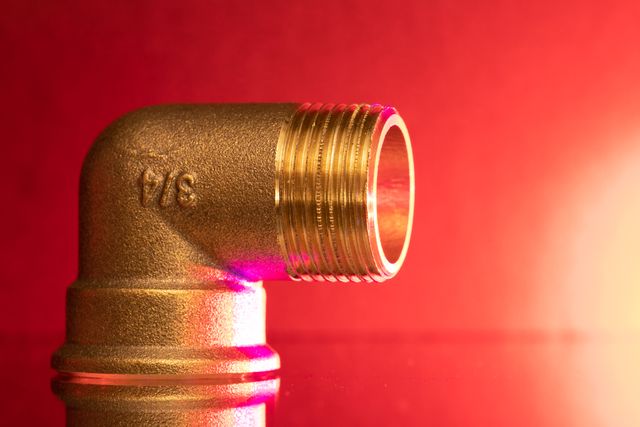
- Sanitary fittings (often yellow brass), very common in renovation
- Metal plates, quite heavy and notable for their purity
- Mixed fragments from old household appliances
- Decorative objects often overly gilded, sometimes containing a poor alloy
So, spend some time sorting each lot separately. I learned to recognize the famous “click” of good yellow brass just with a light file stroke. This simple trick helps avoid confusion with other alloys — yes, every gram counts when you want to maximize your earnings!
💡 🔧 Tip: Clean your tarnished decorative pieces using a warm mixture composed of 50% white vinegar and two tablespoons of fine salt. Let it act for a maximum of 15 minutes before rinsing thoroughly with clear water to restore shine without scratching the alloy.
What advice to put into practice to improve brass buyback?
For all those who repair, renovate, or strip old equipment, a few simple actions allow you to get the most out of brass buyback. No matter how well you know the theory, nothing beats the experience gained in front of the collection bin or the satisfaction felt when seeing the scale climb! Here are some proven tips:
- Systematically remove foreign elements (screws, plastic, glue…) to ensure clean brass
- Sort yellow brass and white brass right from collection
- Weigh the stored quantity precisely and favor large deliveries
- Check metal prices for several days in a row before selling
- Compare two or three local buyback points
If, like me, you sometimes feel lazy about dismantling a heavily scaled faucet, remember that every minute spent cleaning ends up increasing the final amount. Scrap dealers like customers who deliver neat material, ready to be melted or transformed.
Brass in Recycling and the Ecological Transition
You have probably noticed that recycling holds a central position for brass, much more than before. Reusing this metal greatly helps reduce the environmental impact of many sectors: construction, automotive, decoration, or electrical appliances.
Buying back brass thus offers a dual opportunity: generating a small income while limiting the exploitation of virgin mining resources. It is also a concrete action, accessible to each of us, to make our site sustainable and ecological. With a generally attractive brass price, it’s hard not to consider it at every clearance!
Frequently Asked Questions about Brass Prices
How to tell the difference between brass and copper?
Copper is recognized by its very characteristic reddish-orange color and remains a pure metal. Brass is an alloy of copper and zinc that displays a golden yellow hue close to gold.
Do all scrap dealers apply the same buyback rate?
No, prices vary daily according to the London Stock Exchange rates, but also depending on the regions and the overhead costs specific to each recycling center.
Should brass be cleaned before selling it by the kilo?
Yes, it is strongly recommended to remove plastic parts, rubber seals, or attached steel screws to obtain the maximum price for the clean category.