The toilet vent, now there’s a topic that causes quite a bit of trouble when embarking on renovation or installing sanitary facilities. Who has never cursed those unpleasant odors rising up, or heard strange noises in the pipes after flushing? Behind these little everyday annoyances often lies a problem with ventilation or a poorly designed plumbing vent. Let’s take a look together at how it all works and, above all, what solutions to apply to enjoy healthy toilets, without worries or unpleasant surprises.
📋 📋 Essential to remember: Personally, I consider that installing this decompression stack remains the only effective method to balance the network pressures, eliminating nearly 98% of the issues related to siphons losing their seal. In my opinion, neglecting this venting exposes your plumbing to chronic backflows. A compliant installation guarantees smooth drainage and a total absence of sewer odors inside the house.
Why install a vent on your toilet?
Too many beginner DIYers still think that a simple pipe connected to the drain is enough to be worry-free. This overlooks the crucial role of air pressure and ventilation in a pipe network. The toilet vent, by ensuring exchange with the outside air, prevents depressions in the ventilation stack, which cause the dreaded gurgling sounds and the famous “siphon suction.” Without this vent, expect persistent odors and unexpected backflows after every trip to the toilet.
For further insight, I recommend our technical analysis when I flush and water backs up in the shower providing useful leads to solve backflow problems. And to go even further, our article explaining why pipes get clogged offers interesting perspectives to keep your networks healthy.
Most problems encountered in aging installations are due to an undersized or poorly ventilated wastewater drain. A well-chosen air admittance valve, or better yet, a vacuum breaker valve installed according to certain rules, can sometimes suffice and avoid major work. Let’s look at the concrete options available to you right now.
- Fight bad odors thanks to proper ventilation.
- Preserve the functioning of siphons and avoid noise in the pipes.
- Prevent the stagnation of toxic gases coming from the wastewater drain.
- Improve the longevity of your home’s sanitary network.
🌍 Did you know?
The volume of air drawn in by a 100-millimeter toilet stack during evacuation is about 25 times greater than the volume of water discharged. It is this huge instantaneous air demand that makes the decompression stack absolutely essential in a modern structure.
How a plumbing vent works: what you need to know
👍 Strengths
- Absolute safety with a 100% mechanical system without any wear parts.
- Definitive elimination of siphons losing their seal and drainage noises.
- Full compliance with the requirements of the departmental health regulations.
🔻 Limitations
- Creating a roof outlet requires piercing the roof covering and ensuring waterproofing.
- Aesthetics can sometimes be difficult to integrate if the column must pass through several visible floors.
The plumbing vent remains a largely unknown element nowadays. Yet there are several types of drainage and devices responsible for regulating the air pressure in the stacks. When you flush, a large amount of water rushes outside: this water pushes the air still present in the pipe, creating either overpressure or underpressure depending on the case.
This is where the effectiveness of the toilet vent comes into play. This system balances the air pressure, prevents the water in the siphons from being sucked out, and blocks the return of unpleasant odors to your bathroom or toilet. Too often, when installing a toilet in an extension without properly reconnecting the ventilation stack, it’s a disaster: persistent odors or “empty” siphons just hours after use.
⚠️ Common mistake
The classic mistake is installing a cheap pressure equalizing valve upside down or in a completely airtight confined space without air circulation. The membrane will never be able to open to compensate for the underpressure, rendering the device useless.
The role of the ventilation stack
We often talk about the ventilation stack as if it were reserved for apartment buildings, but it also has its place in individual houses. It consists of a vertical pipe rising to the roof, through which air escapes or enters depending on the network’s needs.
Without this properly sized stack, the natural mechanics of wastewater drainage do not work efficiently. You quickly face situations where water stagnates, smells bad, or even rises in the bowl… Not exactly ideal for daily life.
| Type of vent | Required location | Minimum diameter | DTU 65.10 regulation |
|---|---|---|---|
| Primary ventilation | Direct roof outlet | Ø 100 mm (same as toilet) | Mandatory in individual houses |
| Pressure equalizing valve (Durgo) | Attic or under a sink | Ø 40 mm to 100 mm | Allowed in renovation if roof outlet impossible |
| Secondary ventilation | End of collector | Ø 50 mm | Recommended for long networks |
| Simple sink aerator | On terminal branch | Ø 32 mm or 40 mm | Local solution for a single fixture |
💡 Practical tip
When gluing your vent connection, carefully deburr the inner edges of the PVC pipe using sandpaper. This prevents dust fibers or grease from sticking and eventually clogging the air intake.
What is the purpose of the anti-vacuum valve?
When it is difficult, or even impossible, to connect your toilets to a real ventilation stack (for example, in a laundry room converted into a toilet corner), the anti-vacuum valve is very useful. How does it work? It lets air enter from the room when you flush, which prevents the formation of a vacuum in the pipes.
This small accessory, easy to install yourself, prevents the siphons from being sucked dry, thus limiting the appearance of odor leaks in the room. However, be careful, the anti-vacuum valve does not completely replace a roof ventilation: it should remain a temporary solution, not a main system for the entire installation.
Practical tips to maintain effective ventilation
I see many people neglect the maintenance of the ventilator or sometimes forget to adapt the size of the vent pipe to the number of connected appliances. To ensure good air quality and preserve the lifespan of your plumbing, here are several recommendations gathered from industry professionals… and based on my own more or less successful experiments!
Thinking about the toilet vent for each phase of work is key. Always install ventilation, even if you only have one toilet, especially if you add a large bathtub or an extra sink. The more water flowing through the pipes, the more frequent the air pressure variations become, increasing the risk of problems.
Regularly maintain and check your installation
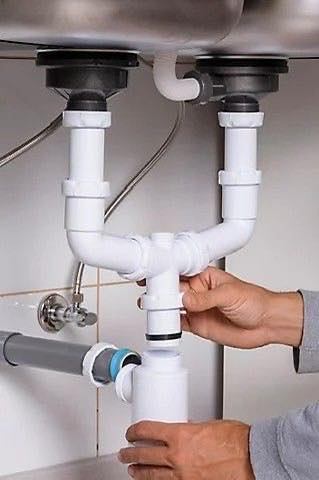
You may not know it, but the ventilator cap gets dirty quite quickly, which can hinder the entry of air. A quick annual check will avoid surprises and save you unnecessary calls to the plumber. Every six months, also check the seal tightness around the ventilation stack.
If you are handy, take the opportunity to inject some diluted bleach or a suitable product into the duct, to limit bacterial growth responsible for some of the bad odors that persist despite everything!
Choose the right materials during assembly
A tip from an old hand: always favor standard rigid PVC for vents and ventilators. Avoid flexible fittings, which are better suited for temporary repairs than for durable sanitation. Plan for an appropriate diameter (often at least 100 mm) for the main stack to allow a significant volume of air to circulate.
Be careful about the installation direction of the anti-vacuum valve, some models require a strict vertical position to open properly. Finally, on the roof, remember to add a bird-proof grille to prevent bird intrusions, which saved me from many unexpected interventions… and awkward trips up and down the ladder on a spring evening!
When should you consider installing a new system?
If, even after following these tips, you notice recurring problems (gurgling, odor backflow, abnormally low traps), it is probably because your system seriously lacks ventilation. Don’t delay in taking action! Over time, a chronic defect in air pressure in the pipes prematurely wears out the seals and increases the risk of blockages.
My experience has shown me: completely replacing an old drainage line may seem costly, but the comfort of use and the restored hygiene are well worth the investment. Don’t wait for the next flood to make you regret your hesitation; start the work while access is still easy!