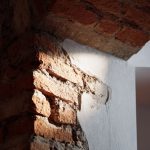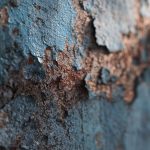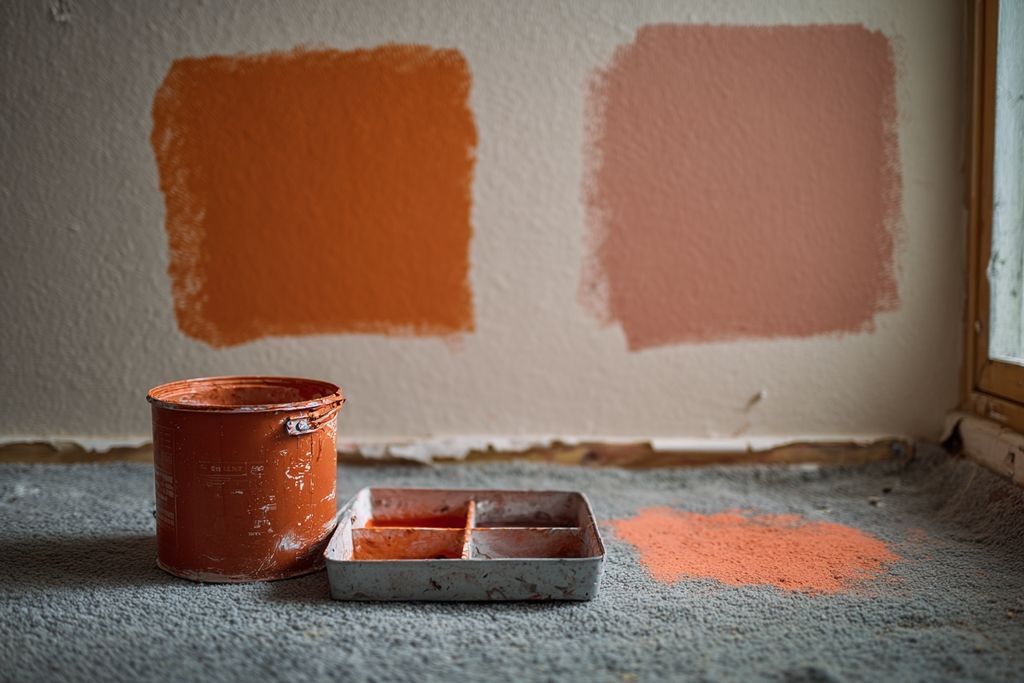
You just finished repainting a room, brush still in hand, admiring your work… And a few days later, surprise: stains appear where everything seemed perfect! Don’t panic, you’re not alone in this mess. These famous post-paint stains are a classic in DIY, whether you’re a novice or an old hand at the job. Let’s look together at where they come from, how to recognize them, and, above all, how to avoid getting on your nerves a second time.
📋 **📋 Key points:** Personally, I consider that yellowish or brown halos spoil about 60% of renovation projects that are poorly prepared. In my opinion, applying a simple finishing coat without treating the base is a mistake. Be sure to use an insulating undercoat or a stain-blocking primer to definitively block the rise of tannins, soot, or moisture.
Why do stains appear after painting?
When weird marks show up after drying, we immediately think of a low-quality product or a mistake somewhere. But often, it’s the substrate itself that’s acting up, or the environment in which it exists. Stains on the paint are rarely there by chance: each type of mark tells a very particular story, starting with that of poor substrate preparation, or a hidden problem behind the wall.
You know, that friend who thinks he’s defeated his ceiling full of brown stains without scraping or washing? Six months later, here we go again. The secret is often a matter of observation even before approaching the roller.
🗣️ **🗣️ My experience:** In March 2025, I repainted the ceiling of a living room white that had suffered an old water damage. I spent 24 euros on a fixative spray to isolate the stubborn marks before applying my wall paint. The lesson learned is that moisture, even completely dry, passes through classic water-based paints if you don’t apply an appropriate waterproof film.
The role of moisture
Moisture is the sworn enemy of paint. When an exterior wall exposed regularly suffers rain, or when the ventilation of the room is insufficient, water always finds a way to infiltrate. Result: yellow, brown, or even black halos reappear as if by magic just after drying. This can come from water/rain infiltration, a hidden leak, or simply chronic condensation due to poor ventilation.
I once had to intervene in an old apartment whose walls seemed clean at first. After two coats of white, gray circles ended up coming back. In the end, the problem came from moisture migration from the basement… So, repainting without treating the source solves nothing.
To go deeper, I recommend reading our advice on repainting a ceiling which complements this topic well. Our practical guide on how to clean mold on walls also offers useful tips.
Rise of tannins/tannic substances and pigment migration
Have you ever painted on raw wood, MDF, or even some colored plasters? Beware of tannin/tannic rise and pigment migration. These natural substances (present in wood or some old paints) rise through the new layer, leaving very stubborn brownish or colored streaks.
🌍 **Did you know?** Oak and chestnut wood contain a natural water-soluble substance called tannin. If you apply water-based paint directly on it without a suitable primer, dark rings will appear in less than 24 hours.
In one project, I encountered a century-old varnished oak beam. Without a good anti-tannin undercoat, guess what? Ugly dark streaks appeared despite three roller coats. Pigments also like to migrate, especially if the original base is colored or soiled by old residues.
| Origin of the stain | Observed visual aspect | Risk of recurrence | Required curative treatment |
|---|---|---|---|
| Tannin rise | Brown or reddish marks | 100% without isolating layer | Glycoresin primer |
| Old mold | Black or grayish spots | High in damp rooms | Fungicide + washing |
| Soot or nicotine | Generalized yellowing | Systematic | Solvent-based undercoat |
| Too fresh plaster | White halos (efflorescence) | Medium | Complete drying + brushing |
Common mistakes when painting
Sometimes, the nature of the substrate explains the post-paint stains. But, between us, we all make small mistakes during surface preparation or equipment choice. A rushed brushstroke, an inadequate undercoat, or sloppy cleaning, and suddenly problems appear later on.
I remember once, in a hurry to finish a bedroom before the start of school, I skipped the complete washing step. The result: small yellowish droplets everywhere, due to greasy residues left on the wall.
⚠️ **Common misconception:** Applying paint directly on a wall that has just undergone mold treatment without waiting for it to dry completely is a frequent mistake. The trapped water will try to escape, creating blisters and irreversible discolorations.
Poor surface preparation
A poorly prepared surface guarantees that old marks will quickly reappear. You must systematically clean, sand, dust off, and check that there are no fungi or residues. Applying your paint on a degraded coating – chipped or cracked – promotes the return of stains because the new material adheres poorly to fragile areas.
Here is a checklist to do before applying the first coat:
- Complete dust removal after sanding
- Degreasing if necessary (especially in the kitchen or near radiators)
- Removal of mold with an appropriate treatment
- Filling and smoothing of visible cracks
Inadequate undercoat and application conditions
Certain surfaces clearly require a suitable technical undercoat: wood, plaster, porous coatings… If this is missing or inappropriate, expect surprises. The undercoat blocks tannin bleed and prevents colored pigment migration. Skipping this step risks ruining all your subsequent layers.
As for the application conditions, working in a humid, cold, or poorly ventilated room significantly complicates the adhesion and drying of your paint. Let each coat dry, ventilate thoroughly, take a moment, and observe if the surface remains uniform throughout the curing time.
🔧 **Tip:** Before applying your insulating undercoat, locally clean the stained area with alkaline detergent or methylated spirits. Let dry for at least 12 hours to stabilize the substrate.
Recognizing different stains to better treat them
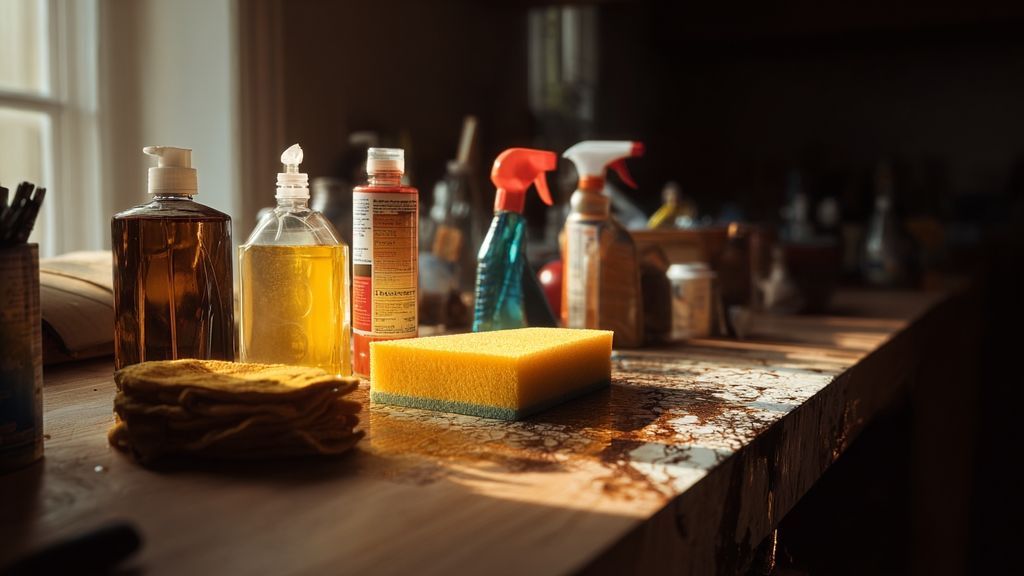
Each mark that appears afterward often provides a valuable clue about the type of issue encountered. Taking the time to diagnose these marks allows you to act precisely without wasting liters of paint or energy. Arms crossed, powerful lamp in hand, scrutinize the details!
The difficulty is that some stains look similar even though they have different causes and remedies. It’s therefore worth observing twice rather than once, even if it means asking advice from a DIY-savvy friend or a specialized store.
Brown halos and yellow stains
Halos, generally circular and brown, indicate water/rain infiltration. In older houses, this often follows a period of heavy rain, water damage, or rising damp related to the building’s structure. On wood, yellow-brown stains signal tannin rise or old pigment migration from deep layers of the wall.
After identifying, it will be necessary to stop the source of moisture before any further intervention. Sometimes, a simple gutter repair or fixing a poorly sealed window suffices, but sometimes the intervention involves a complete restoration of an exposed exterior wall.
Black or greenish stains
Black spots or greenish veils reveal the presence of mold, almost always linked to poor ventilation or chronic excess humidity. Painting without treating these unwanted guests is like giving them a brand-new spa to multiply rapidly.
This can be remedied with a powerful fungicidal cleaner, followed by good daily ventilation. There’s no point in applying multiple coats of regular paint over it: you risk an “ineffective camouflage” effect and a quick return of the stains.
Solutions and preventive measures to adopt
👍 Strengths
- Definitive neutralization of water and grease stains.
- Excellent adhesion on smooth or sealed surfaces.
- Maximum coverage power from the first application.
🔻 Limitations
- Strong odor requiring excellent room ventilation.
- Longer drying time than ordinary acrylic paint.
Before pulling out brushes and cans again, take the time to solve each identified problem. Better safe than sorry applies just as much to our freshly repainted walls as to the rest of home DIY.
Some simple actions will save you a lot of time and spare you many unpleasant surprises over the seasons:
- Pay particular attention to surface preparation to eliminate any trace of previous contamination
- Choose an appropriate primer (moisture-resistant, special for tannins, insulating for old walls…)
- Check ventilation and provide a lasting solution if necessary (ventilator, exhaust vent, dehumidifier…)
- Control the sealing of openings and review window/door seals facing outside
- Ensure that the coating is not too worn or cracked, otherwise consider partial/localized repair
By paying attention to these details, you maximize your chances of maintaining a beautiful, durable finish. Remember: the best result always comes from spending a little time observing, cleaning, or ventilating. Your paint will benefit from it and you will be able to proudly look at your spotless wall every morning without fearing the next strange appearance!
Stain repair primer quantity calculator
Estimate required stain-blocking primer volume based on affected wall area.
Estimated stain-blocking primer required:
Liters