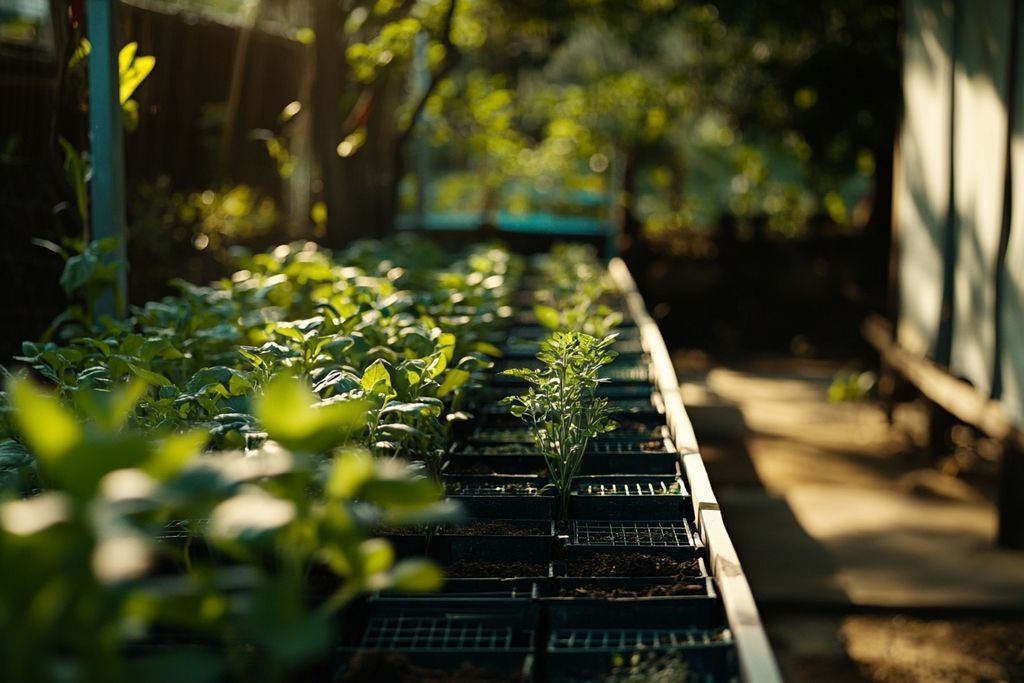
When October arrives, it’s time to prepare your vegetable garden for the winter months. This month is crucial to ensure the health and productivity of your garden during the cold seasons. October is often associated with harvesting the last autumn vegetables and preparing the soil for the following spring. Implementing good practices this month can significantly influence the quality of future harvests.
October proves ideal for sowing vegetables that will withstand the rigors of winter. Consider enriching your soil with compost to promote good development of seedlings. Perennial plants like garlic and onions can be planted for a spring harvest. Take advantage of this period to plan crop rotation, essential to preserve the quality of your garden. Taking care of your vegetable garden now ensures a productive space even during the colder months.
📋 The essentials at a glance: Personally, I believe that preparing the soil before October 20th can increase spring yield by 25%. It is the ideal time to plant bulbs that will spend the winter underground. This transition ensures natural thermal protection against the first nighttime frosts, which often arrive suddenly.
Essentials to sow and prepare in October
| Vegetable | Action | Expected Harvest | Cold Resistance |
|---|---|---|---|
| White garlic | Planting | July 2027 | Very high |
| Gray shallot | Planting | June 2027 | High |
| Lamb’s lettuce | Direct sowing | January | Very high |
| Broad bean | Sowing (South) | May 2027 | Medium |
| Spinach | Thinning | December | High |
October is the ideal time to sow certain varieties of plants that will thrive in winter. Seedlings sown now will allow for early harvests in spring. Popular choices include cabbages, essential for winter harvests, as well as winter lettuces. It is also wise to plant flowers like pansies, which can beautify the ornamental garden throughout the cold season. Enriching the soil with good fertilizer, especially green manure, is crucial to improve its fertility and structure.
🗣️ My experience: Last October, I planted my garlic cloves on Rue de la Roquette in a container with 12 euros worth of enriched potting soil. I neglected drainage and heavy rain caused half of my harvest to rot within 48 hours. The lesson learned is that in autumn, a sand bed at the bottom of the furrow is essential in heavy soil.
- Important sowings: Cabbages, winter lettuces, pansies.
- Soil maintenance: Add green manure to enrich the soil.
- End-of-season harvests: Ensure collection of the last vegetables.
- Protection: Install mulches to protect plants from frost.
To go deeper, I recommend checking the complete list for the garden in September which complements this topic well. Our calendar for the garden in November also provides useful clues for the rest of the season. And to go further, the analysis on the garden in January offers interesting insight into winter care.
Permaculture methods to adopt in October

For those embracing permaculture, October offers several opportunities to strengthen the ecosystem of your garden. Applying the principles of October permaculture helps maximize biodiversity and make the best use of natural resources. This includes creating permaculture mounds, which improve drainage and increase the soil temperature, thus promoting an extended growing season. Planting companion crops, such as pairing flowers and vegetables, can also help repel pests while attracting pollinators.
⚠️ Common mistake: Cleaning your garden bare by removing all residues. In October, soil left unprotected undergoes nutrient leaching due to autumn rains, which drastically impoverishes the earth for spring.
Installing a drip irrigation system can significantly reduce the time spent watering while ensuring adequate hydration of the plants. This October, also consider collecting and storing the seeds of your favorite plants for spring sowing. These actions are not only beneficial for your garden, but they also allow you to stay active and engaged with your natural environment throughout the year.
🌍 Did you know? In October, earthworm activity increases by 30% thanks to the decomposition of fallen leaves. This is when they produce the most natural humus for your soil.
Soil optimization and crop protection in autumn
October Planting & Sowing Calculator
Estimate seed quantities required for your October garden beds.
💡 Practical tip: For your garlic and shallot plantings, maintain a depth of 3 cm. A spacing of 15 cm between each clove ensures optimal air circulation to prevent winter fungal diseases.
October is a crucial month for improving the quality of the soil in your vegetable garden. It is the ideal time to enrich the earth with organic amendments. Adding well-decomposed compost helps nourish the soil and improve its structure. This allows the roots of the plants to develop better and absorb nutrients more effectively during the autumn and the coming spring. Furthermore, it is wise to perform a light tillage to help incorporate these amendments, while ensuring not to excessively disturb the existing soil structure. The protection of crops is also important. Use winter covers to protect plants sensitive to cold and early frosts that may occur.
Monitoring plantings and preparing for autumn harvests

To maximize autumn harvests, regular monitoring of plants is necessary. Check regularly for the presence of pests and diseases and intervene quickly if problems arise. Vegetables like cabbages, which are hardy, may require additional support or protection against insects. Also, remember to plan your harvests. Some vegetables, such as carrots and potatoes, can be left in the ground and harvested as needed, while others must be picked before the first frosts. This careful monitoring not only ensures an abundance of fruits and vegetables, but also ideally prepares the garden for the colder months.
Water management and fertilizer choices in autumn
During autumn, water management becomes critical. Adequate irrigation is essential to support young plants and those that continue to produce harvests. A drip irrigation system can be particularly effective in providing regular hydration without waste. Regarding fertilizers, opt for formulas rich in potassium, which help strengthen the plants’ resistance to cold and diseases.
Maintaining biodiversity and preparing for winter
Maintaining biodiversity in your garden during autumn promotes a healthy and robust ecosystem. Encourage the presence of beneficial insects by planting flowers that bloom in autumn, such as marigolds, which can also repel certain pests. Additionally, begin cleaning up plant debris and cutting dead leaves to reduce shelter for winter pests.
Summary of key actions for a productive vegetable garden in october
🍀 Strengths
- Calm preparation of the soil
- Less watering needed
- Last tasty harvests
🔍 Challenges
- Risk of early frosts
- Humidity favoring mold
This October, focus on improving the soil, protecting crops, carefully monitoring plantings, and optimal management of water and nutrients to ensure the vitality of your garden. These steps are not only crucial for preparing your garden for winter, but they will also allow you to enjoy an abundance of harvests. Take the time now to prepare your outdoor space, and you will see that the efforts bear fruit over the seasons. Why not consider these actions today? Your garden will thank you with a profusion of colors and flavors, even during the coldest months.
FAQ: Vegetable Garden in October
Which seeds to sow in October for a productive vegetable garden?
In October, it is possible to sow cold-resistant varieties such as spinach, lamb’s lettuce, or certain winter lettuces. These crops can provide early harvests in the spring.
How to prepare your vegetable garden for winter?
To prepare the vegetable garden for the arrival of winter, consider mulching the soil with leaves or straw. This helps protect the roots from frost and improves soil structure.
When can you start harvesting your autumn vegetables?
The harvest period depends on the vegetables grown. For example, carrots and beets are generally ready between two and three months after sowing, while cabbages can be harvested as soon as they reach an adequate size.