The month of September is crucial for gardening enthusiasts looking to optimize their vegetable garden for autumn and winter. This time of year is ideal for starting to sow seeds that will withstand the cold and enrich your table with fresh vegetables. Whether you are a novice or experienced, a few practical tips can help you maximize your harvests.
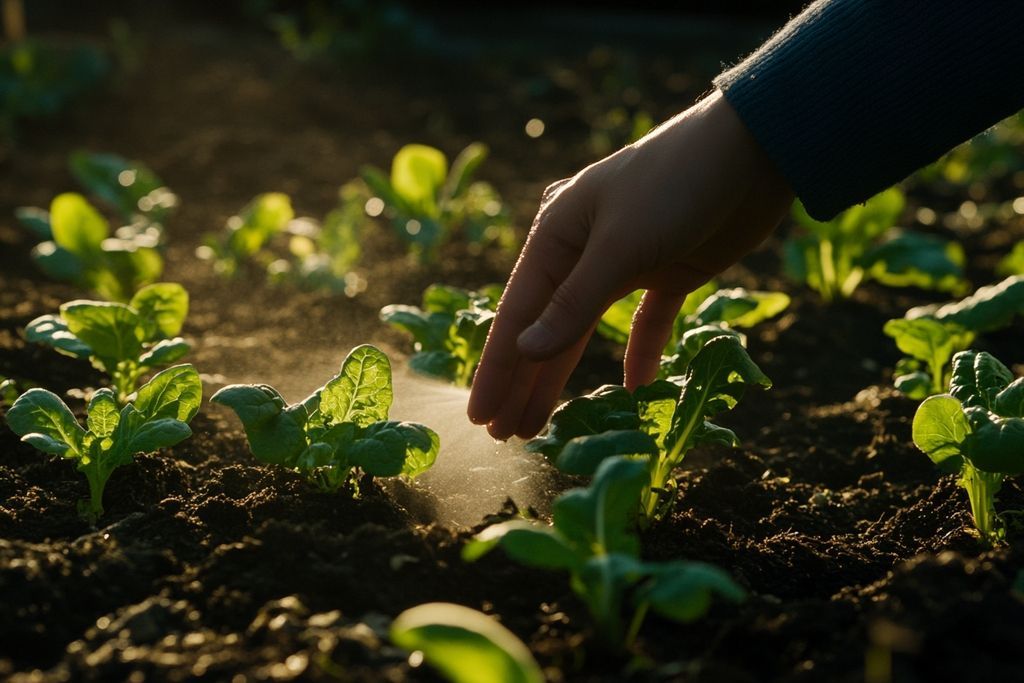
In September, your garden becomes a true laboratory where you can experiment with different seedings to anticipate winter. Sowing vegetable seeds like cabbage, lamb’s lettuce, or spinach can ensure continuous production. A well-prepared vegetable garden in this season not only optimizes space but also strengthens the health of your future plants. Don’t forget to wisely plan the location of your crops to make the most of the soil and autumn climate.
Choice of vegetables to sow in September
🌟 Advantages
- Peak of summer harvests
- Less thermal stress
- Return of beneficial rains
🔻 Limitations
- Decrease in daylight
- Potential return of mildew
In the vegetable garden, September is the ideal time to plant root vegetables and leafy vegetables that will thrive in the coolness of autumn. Popular choices include carrots, turnips, as well as cabbages and white onions. These plants require not only good timing but also proper preparation of the soil. It is essential to incorporate green manure to enrich the earth, improve its structure, and provide the necessary nutrients for the new crops.
🎒 On the ground: In September 2025, I waited too long to harvest my squashes and a torrential rain caused 30% of my production to rot. I had to buy winter plants for 18 euros to compensate for this loss of space. The lesson is clear: as soon as the stem becomes corky, harvest without waiting for the first frosts.
Maintenance and protection of the vegetable garden in autumn

To ensure the health of your vegetable garden, the garden in September requires special attention in terms of protection and maintenance. Using mulch can help retain soil moisture, suppress weeds, and protect roots from the emerging cold. Additionally, it is advisable to start planning the sowing of green manures, such as mustard or rye, which will be buried in the soil in spring. These plants will contribute to soil regeneration, offering better structure for future crops.
- Vegetables to sow: radishes, lettuces, lamb’s lettuce.
- Green manure sowing: plan to revitalize the soil.
- Maintenance: mulching, regular watering, pest monitoring.
- Late harvests: potatoes, tomatoes, depending on the climate.
- Preparation for winter: protect sensitive plants, organize tools.
These steps not only ensure the productivity of your vegetable garden but also make it more resilient to the climatic challenges that arise with the seasons. The month of September, if well used, can transform your outdoor space into a haven of freshness and greenery, even during the coldest months.
To compare your results, feel free to reread the guide on the vegetable garden in August which explains the end of summer. It is just as important to anticipate the arrival of cooler temperatures with the file on the vegetable garden in October. And to go further in the nutrition of your plants, the guide to making your own homemade fertilizer provides interesting insights.
Planting techniques to optimize your vegetable garden in autumn
When planning the planting of your vegetable garden in September, it is crucial to understand the specifics of the soil and climate. This is the key to successfully growing your autumn and winter crops. The soil must be well prepared, as it directly influences the growth of plants. Good loosening and the addition of fertilizer can improve soil structure and provide the necessary nutrients to new plants. Consider testing the pH of your soil to ensure it is neither too acidic nor too alkaline, which could affect nutrient availability.
Moreover, sowing techniques are increasingly important. The seeds of vegetables such as radishes, lamb’s lettuce, and lettuces should be sown directly into the ground at an appropriate depth to allow optimal germination. Make sure to space the rows sufficiently to allow the plants to develop without excessive competition for light and nutrients. Using mulch can help maintain soil moisture and control weeds that may hinder the growth of your crops.
Water management and crop protection

Irrigation plays a vital role in the success of your garden in autumn. A drip irrigation system can be an excellent solution to provide an adequate amount of water directly to the roots of plants, thus minimizing waste and the risk of foliar diseases. It is also essential to monitor the weather, as an unpredictable autumn may require adjustments in the frequency and amount of water supplied.
To protect your crops, consider using winter covers that create a favorable microclimate for the growth of vegetables. These lightweight yet effective covers protect against frost and maintain a more stable temperature around the crops. Additionally, they can also protect your vegetables from insects and other pests. Crop rotation is another beneficial technique that can help prevent soil diseases and optimize nutrient use.
📦 Storage: For harvested onions and shallots, let them dry in the sun on the ground for 48 hours. This hardens the skin and extends their shelf life by more than 3 months.
The importance of choosing resistant vegetables
| Vegetable | Action in September | Distance (cm) | Estimated Harvest |
|---|---|---|---|
| Corn salad | Direct sowing | 10 | November |
| Winter cabbage | Planting | 50 | February |
| Spinach | Line sowing | 25 | October |
| Leek | Final earthing up | 20 | December |
| Turnip | Direct sowing | 15 | End of October |
Choosing varieties of vegetables resistant to the cooler conditions of autumn is crucial. Tomatoes, for example, may require specific varieties that better tolerate the cold. Cabbages, naturally hardy, are also an excellent choice for this time of the year.
🌍 Did you know? In September, soil temperature remains above 15°C in most regions, which promotes germination of winter lettuces twice as fast as in October.
Regular monitoring and adaptation of cultivation methods
Maintaining regular monitoring of your garden‘s condition will allow you to quickly adapt your cultivation methods if necessary. This includes adjusting water levels, additional application of fertilizers, or even reorganizing the garden space to optimize sun exposure.
⚠️ Common mistake: Wanting to clean your vegetable garden bare by pulling out all crop residues. In September, leaving bean roots in the ground helps fix nitrogen for the benefit of future winter vegetables.
Recovery and use of natural resources
Consider collecting rainwater to irrigate your garden. This not only reduces your water consumption but also enriches your crops with soft water free of chemical treatment, ideal for the harmonious development of plants.
Summary of strategies for a flourishing vegetable garden at year-end
Successfully managing a garden in September requires careful planning and precise execution. By adopting these methods, you maximize your chances of seeing your garden not only survive but thrive during the cooler months. Every action counts, from soil preparation to protecting young shoots from the cold. Always think in terms of adaptability and anticipating the specific needs of your crops. The pleasure of tasting fruits and vegetables that you have grown yourself is incomparable, especially when they come from a balanced environment that respects natural cycles.
September Sowing & Seed Calculator
Estimate seed quantities required for your September garden beds.
FAQ: Your vegetable garden in September
What are the last harvests to expect in September?
In September, it is the ideal time to harvest your tomatoes, which reach full maturity. Cabbages, for their part, also begin to be ready and you can enjoy their crunchy leaves.
How do I prepare my vegetable garden for autumn?
For an effective vegetable garden this autumn, remember to thoroughly clean and weed your space. You can also plant winter varieties such as winter cabbages or root vegetables to extend the harvests into the cold season.