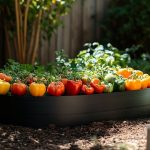
Welcome to the exciting world of vegetable growing. If you have just bought your first house and want to develop your gardening skills, this guide is for you. Growing your own vegetables is not only rewarding, but it is also a great way to improve your diet with fresh and rich in vitamins foods. Let’s start by exploring some easy-to-grow and very nutritious vegetables.
Dive into the world of vegetables starting with the letter C, true allies for your health. Cabbage, rich in vitamins C and K, is a must-have in your garden. Add celery, perfect for your soups and salads, contributing to a balanced diet. Carrots, not only delicious but also packed with beta-carotene, are easy to grow.
📋 📋 Key takeaway: Personally, I consider the letter C to be the most generous in the garden, offering more than 25 varieties essential to our balance. I find that carrot and cabbage dominate our consumption habits, representing nearly 30% of the volumes of vegetables purchased each year by households. It is a pillar family that ensures constant supplies of beta-carotene and fiber throughout the seasons.Choosing the right vegetables to start
Vegetables starting with C are very present in daily diet and bring a great diversity of tastes and nutrients. Rich in fiber, vitamins, and antioxidants, they contribute to a healthy and balanced diet. Between cabbage, carrot, cucumber, and celery, this category includes essential foods in cooking. Discovering the complete list of vegetables starting with C allows you to better vary your meals while enjoying many benefits.
📋 Essential to remember: Personally, I consider adding fresh vegetables starting with C to be one of the easiest ways to meet over 80 percent of your daily vitamin K needs. Incorporating veggies like carrots or cauliflower provides vital dietary fiber. Choosing vibrant produce ensures optimal texture and health benefits.
For a beginner, some vegetables are easier to grow than others and can provide quick satisfaction as well as an abundance of nutrients. Cabbage, for example, is an excellent choice. There are several varieties such as red cabbage, Brussels sprouts, and curly kale, all known for their high vitamin C and fiber content. Celeriac is another robust option, ideal for colder climates, and rich in potassium. Don’t forget the potato, easy to grow and very versatile in cooking.
Here is a non-exhaustive list of ideal vegetables to start with:
- Squash: Easy to grow, it offers a wide variety of types, such as butternut squash or spaghetti squash.
- Carrot: Low maintenance, it is rich in vitamin A.
💬 My experience: During my visit to a local farmers market in October 2025, I bought organic heirloom carrots for 3 dollars per bundle. Roasting them whole revealed that fresh local harvesting preserves natural sugars far better than standard store options.
Feeding and maintaining your vegetable garden

Maintaining your garden is crucial to ensure good growth of vegetables. Watering should be regular but adapted to the specific needs of each plant. Vegetables like cauliflower and celeriac require more water than others. Adding rich compost can greatly improve soil quality, thereby increasing the nutrients available to your plants. Also make sure to protect your crops from pests by using natural pest control methods.
Crop rotations are also important to keep the soil healthy and prevent plant diseases. Alternating where you plant your vegetables each season can help minimize disease risks and optimize soil nutrients. With these practices, you can enjoy a thriving garden full of tasty fruits all year round.
To dive deeper, I recommend reading about sourcing free wooden pallets which complements garden organizing projects well. Learning about building a home workshop also gives handy preparation ideas. And to go further, checking out setting up a small garden cabin offers great inspiration for outdoor storage.
Growing winter vegetables for a rich and sustainable diet
Considering growing winter vegetables is an excellent way to extend the gardening season while benefiting from fresh produce rich in vitamins. Cabbage, for example, is a hardy vegetable that can tolerate cold and even improve in flavor after the first frosts. Other popular choices include carrots and rutabagas, which can be stored in the soil during winter, using the earth as a natural insulator. These varieties not only require less care during the cold months but also provide essential nutrients during a period when fresh fruits and vegetables are less available. To succeed, it is crucial to prepare the soil before the first frosts by adding compost and ensuring optimal drainage to prevent root rot.
Beyond the practical aspects of cultivation, introducing winter vegetables into your garden can also contribute to a more varied and nutritious diet. Varieties like pumpkin, for example, are extremely rich in antioxidants and fiber. Growing these vegetables not only reduces costs associated with buying organic products in stores but also allows you to fully control the growing environment without using chemical pesticides. Encourage yourself to experiment with innovative recipes that highlight the unique flavor of each vegetable, thus turning your winter meals into a festival of taste and well-being.
💡 Do you know? Carrots were originally cultivated in purple and yellow varieties, with orange carrots only becoming popular around the 17th century.
What are the vegetables starting with C?
The vegetables starting with C include a wide variety of foods used in many recipes. Among the complete list of vegetables starting with C, you will find notably: carrot, cabbage, cauliflower, red cabbage, green cabbage, cucumber, celery, zucchini, watercress, cardoon, mushroom, gherkin, and celeriac. These vegetables are very common in cuisines around the world.
Vegetables starting with C are generally rich in fiber and water, which promotes digestion and hydration. They also contain essential vitamins such as vitamin C, vitamin K, as well as important minerals.
Thanks to their diversity, vegetables starting with C can be eaten raw, cooked, in soups, salads, or as side dishes.
⚠️ Common mistake: Throwing away cauliflower leaves and stems is a frequent error. They are fully edible and contain generous dietary fiber, perfect for blending into vegetable broths or stir-fries.
The carrot and the cucumber: very popular vegetables
In the complete list of vegetables starting with C, the carrot and the cucumber are among the most popular vegetables. They are easy to incorporate into many recipes.
The carrot is rich in beta-carotene, an important antioxidant for eye and skin health. It can be eaten raw, grated, or cooked in various dishes.
The cucumber, for its part, is very rich in water and low in calories. It is ideal for hydration and is mainly consumed in salads or juices.
💡 Practical tip: Submerge wilted celery stalks in ice cold water for 15 minutes to revive their crispness completely before serving.
The cabbage and the celery: nutrient-rich vegetables
Among the vegetables starting with C, cabbage and celery hold an important place in the diet.
Cabbage exists in several forms: green cabbage, red cabbage, cauliflower, or Brussels sprouts. It is rich in fiber, vitamins, and antioxidants, making it an excellent food for health.
Celery, whether stalk or celeriac, is a low-calorie vegetable but rich in minerals. It is often used in soups, broths, and light dishes.
🍀 Advantages
Extremely affordable and readily available year-round.
High water and fiber content ideal for weight management.
Long shelf life compared to soft leafy greens.
🔻 Weaknesses
Cruciferous options like cabbage can cause bloating if overconsumed.
Root vegetables like carrots contain higher natural carbohydrates.
The zucchini and the watercress: light and healthy vegetables
The complete list of vegetables starting with C also includes zucchini and watercress, two very interesting vegetables for a balanced diet.
Zucchini is a very light vegetable, rich in water and fiber. It is easy to cook in gratins, sautés, soups, or even raw.
Watercress, for its part, is a plant rich in vitamins and antioxidants. It is often eaten in salads or soups for its nutritional benefits.
Why include vegetables starting with C in your diet?
Vegetables starting with C are essential for a balanced and varied diet. The complete list of vegetables starting with C shows a great diversity of foods rich in essential nutrients.
Regular consumption of these vegetables helps improve digestion, strengthen the immune system, and maintain good overall health. Foods like carrot, cabbage, or cucumber provide important daily benefits.
Finally, discovering vegetables starting with C allows you to enrich your recipes and adopt a healthy, varied, and delicious cuisine.
FAQ: Vegetables starting with C, everything you need to know!
Which vegetables starting with the letter C are the most nutritious?
Carrots and cabbages are examples of vegetables rich in vitamins. The carrot, with its beautiful orange color, is particularly famous for its richness in beta-carotene.
Can vegetables be considered fruits?
Yes, some vegetables can be classified as fruits from a botanical point of view. For example, the tomato belongs to this category, as does the zucchini. However, in cooking, they are often treated as vegetables.