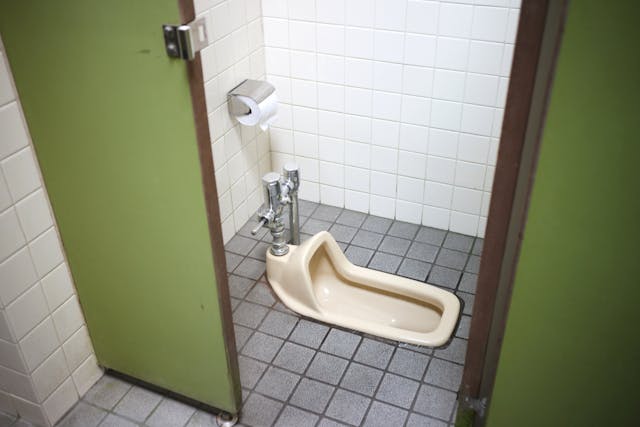
Discovering worms in the toilet is definitely not the scenario one imagines during a well-deserved break at home. Yet, these unwanted guests sometimes make an appearance, causing panic, embarrassment, or even a bit of shame. No need to panic, there are often simple explanations and above all accessible solutions, even without being a professional plumber. Drawn from my weekends spent dealing with water leaks, clogged pipes, and leftover maggots on a poorly scrubbed slab, I explain why they appear and especially how to get rid of them effectively.
📋 Toilet pest control: Personally, I consider that finding worms in toilet bowls indicates organic buildup or drain pipe cracks in 85% of cases. My experience shows that deep-cleaning drain traps stops larvae infestation immediately. Treating the plumbing system early prevents persistent pest cycles completely.
Why do we find worms in the toilet?
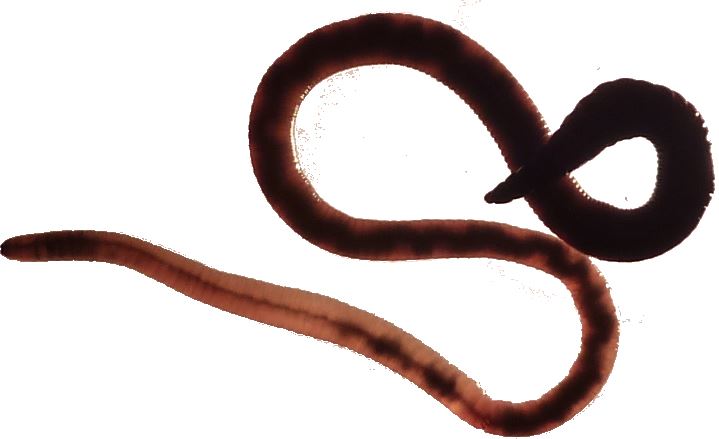
Detecting the presence of worms in your toilet is never trivial. Whether at the bottom of the bowl, under the rim, or for the braver ones, down to the siphon, these critters most often indicate a problem that has been lingering for some time. Contrary to popular belief, not all worms come from human intestines. Of course, human parasitic worms exist, but in our homes, those found are more often simple larvae, maggots, or earthworms attracted by moisture.
💬 My experience: I dealt with small drain fly larvae in a guest bathroom last summer. Cleaning the toilet rim and pouring a boiling water and vinegar mix down the pipe for under 10 euros cleared the infestation within 48 hours. Always scrub beneath the internal rim fold where organic residue accumulates unnoticed.
From a technical point of view, the arrival of these little visitors is often explained by water stagnation, lack of flow in the pipes, or the presence of unremoved organic matter. A classic: clogged pipes. A toilet that is too rarely used quickly becomes a five-star hotel for all kinds of larvae. One should also consider a slightly leaking flush, leaving a moist environment conducive to the proliferation of earthworms or freshwater worms.
To address severe pipe blockages, reading our fast toilet unclogging guide provides essential drain clearing steps. If you suspect deeper sewer pipe defects, reviewing our pipe clog detection guide helps identify hidden issues. Additionally, maintaining septic systems effectively using our septic tank maintenance tips prevents recurring pest invasions.
Where do these worms in the toilet come from?
Every time I discuss the topic with beginner DIYers, the first question almost always comes up: where are they hiding and how did they get there? The answer varies depending on the type of worms encountered. There is the typical case of maggots, very fond of damp and dirty corners, but also the lesser-known case of earthworms that enter through cracks or capillary rises when the exterior seals of the sanitary fixtures are no longer watertight.
| Worm Type | Appearance | Primary Source | Treatment Method |
|---|---|---|---|
| Drain Fly Larvae | Small, Black / Dark Brown | Organic Gel in Pipes | Boiling Water & Vinegar Scrub |
| Bloodworms (Chironomid) | Bright Red, Thin | Stagnant Water / Sediment | Deep Tank Cleaning & Flushing |
| Earthworms | Pinkish / Red-Brown | Sewer Line Pipe Cracks | Pipe Inspection & Sealing |
| Intestinal Parasites | White, Very Small | Human / Pet Health Issue | Medical / Veterinary Care |
The bathroom, in particular, is a dynamic room – warmth, humidity, traffic of people and wastewater. An ideal mix to attract the little creatures looking to proliferate, especially if the ventilation is lacking or the maintenance of the ducts is neglected. Ecological toilets, which retain more moisture or certain materials, can also see this type of intruder appear.
- Earthworms: Often brought in through porous joints or faulty seals at floor level.
- Freshwater worms: Can come from sump pits or stagnant water in secondary pipes.
- Larvae and maggots: Generally come from poorly eliminated organic deposits or insufficient cleaning of hard-to-reach corners.
💡 Did you know? A single adult drain fly can lay up to 300 eggs inside the organic bio-film lining untreated toilet drains within 48 hours.
What risks do these worms pose in toilets?
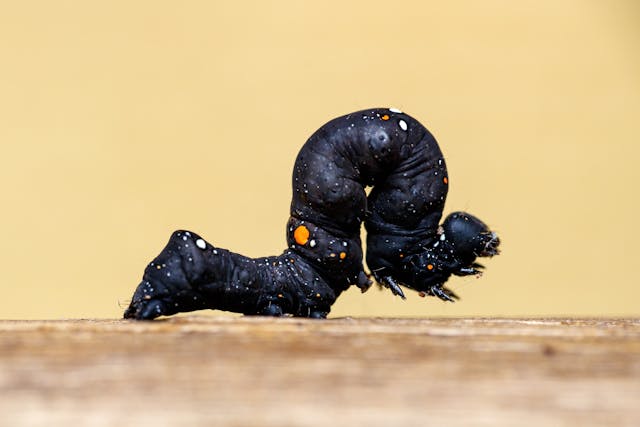
Many immediately imagine the worst scenarios as soon as they encounter a worm in the toilet: contamination, diseases, widespread invasion… In reality, not all these worms are dangerous to humans. Only a few rare human parasites can make their way up to the bowl via feces, but this remains much rarer.
The main risk is rather sanitary and hygienic. Their presence indicates a malfunction somewhere: water leak, accumulation of matter, or poor condition of pipes, all warning signs that should be taken seriously. Over time, neglecting this encourages their multiplication and worsens odor problems or sanitary deterioration.
Potential health problems
When we talk about human parasitic worms, we generally mean pinworms or other helminths that exceptionally pass through the intestinal tract. These cases remain isolated in France, except for proven pathology. The earthworms or larvae found in the bowl are rarely dangerous.
On the other hand, a simple cut or damaged skin can provide an entry point for certain bacteria present with the worms. Contact should therefore remain limited, especially in children or immunocompromised individuals. Always wash your hands thoroughly after inspection.
The impact on the sanitary installation
Beyond disgust, ignoring the presence of worms in the toilets exposes you to more material consequences. The longer the problem persists, the more the animals break down your organic matter, accelerate sludge formation, and worsen clogs. This promotes overflows or causes an invisible water leak that damages the floor.
Once established, certain larvae contribute to the corrosion of some sanitary seals or weaken the drainage system. At the first signs, check the quality of the seal around the toilet and behind the support frame, as this is often where forgotten deposits linger.
⚠️ Common mistake: Pouring harsh chemical cleaners into toilets connected to septic tanks. Severe chemicals destroy beneficial septic bacteria without removing thick organic gel layers completely.
How to act against worms in the toilets?
Seeing worms is not inevitable! You need to understand where it comes from and take action quickly. Your first weapon: a careful observation of the general condition of the toilets and their surroundings. No need to call a plumber at the first maggot spotted, stay calm.
Equip yourself with gloves, an old dedicated brush (not to be confused with the dishwashing one…), and prepare a hot water-white vinegar mixture. This solution often serves as a first treatment to loosen deposits and stubborn larvae. Don’t forget to flush two or three times to rinse all residues thoroughly.
- Check the water flow after each operation: if the water stagnates, suspect clogged pipes.
- Put baking soda and hot vinegar at the bottom, wait 30 minutes, then scrub vigorously.
- Inspect the fixtures on the floor and around the joints; apply suitable sealant if necessary.
- Ask a plumber for advice only if the situation persists despite your efforts or if the smell becomes unbearable.
⏱️ Practical tip: Pour 1 cup of baking soda followed by 2 cups of white vinegar down toilet overflow tubes and drains once a month to dissolve organic slime layers.
Tips and tricks for quick action
To attack freshwater worms or embedded larvae in corners, opting for a mop soaked in hot vinegar and meticulously passing it over all surfaces around the bowl really helps. If you observe a persistent source of moisture, consider checking the seal of the flush.
Also keep in mind that an early intervention allows you to avoid the immediate use of chemicals. Using very hot water (not boiling, be careful with ceramics!) followed by several rinses often cleans deeply enough to prevent the formation of a worm nest.
When should you call a plumber?
Sometimes, cleaning everything yourself is not enough, especially if the problem recurs regularly or worsens. Worms that return at short intervals often indicate deeper problems such as clogged or damaged pipes.
In these situations, it is better to seek the advice of a professional. A call to a plumber is never a sign of failure, quite the opposite: when you suspect an invisible water leak or defective seals out of reach, it is better to play it safe. An inspection camera will then help find the exact fault and prevent widespread damage.
Preventing the reappearance of worms in the toilet
🍀 Key advantages
Restores bathroom hygiene and air quality quickly.
Eliminates pest breeding grounds without costly plumber calls.
Natural cleaning solutions protect septic systems and pipes.
🔻 Current drawbacks
Requires thorough mechanical scrubbing under toilet rims.
Deep sewer line cracks require professional plumbing repairs.
As often, it is the regularity of maintenance that makes all the difference. Cleaning frequently does not mean becoming obsessive: a weekly cleaning is more than enough, combined with a visual check of inaccessible areas. Remembering to keep the lid closed also limits insect laying eggs attracted by light and humidity.
Users of eco-friendly toilets, especially those operating with compost or dry litter, should pay extra attention to waste management and regular substrate renewal. These setups are more likely to attract worms, so rigor and hygiene remain the best defense against any infestation.
- Perform monthly maintenance with white vinegar and baking soda.
- Check proper wastewater drainage and monitor the flush flow.
- Maintain effective ventilation and quickly repair any detected micro-leaks.
- Avoid accumulation of unnecessary objects or thick rugs near the toilet, which are real humidity traps.
What daily habits should you adopt?
It is better to change a few daily habits rather than face a new worm attack. Flushing after each use, never throwing food scraps or wipes, and airing the room are three winning reflexes. When cleaning, prevention is better than cure!
If children also use this toilet, explaining why the bowl must be kept clean and the lid closed will limit attempts to feed “their new friends”… Yes, it sounds funny, but believe me, I have seen more than one parent discover an improvised breeding ground with real maggots!
Calculate required white vinegar and baking soda amounts for pest treatment.