
When you spend all your weekends in the dust, assembling kitchens at friends’ places or for your own projects, you quickly become demanding about the quality of the furniture and the complete experience, from selection to assembly. The topic of so-called “elite” kitchens, often labeled German-made and boasting strength and durability, frequently comes up in discussions among DIY enthusiasts. Many wonder: is an elite kitchen really worth the investment, both in materials and in customer service? And above all, does it withstand the real life of a family that bangs its drawers and uses its pots heavily? So I took my tape measure, my tools… and analyzed for you what these kitchens are really worth, unfiltered and with all my honesty as a seasoned DIYer.
📋 📋 Key points: Personally, I consider that the range of furniture offered by this brand presents quite respectable robustness, featuring an 18 mm panel thickness ideal for resisting everyday water splashes. My professional opinion remains nuanced because the quality of the finishes heavily depends on the care taken during the assembly of the carcasses. To maximize the lifespan of your installation, always reinforce the fastenings of the invisible hinges.
Customer reviews: what do those who took the plunge say?
Customer reviews on elite kitchens always give a more precise idea than a perfectly staged catalog. Feedback abounds: some sing the praises of the design and aesthetics, while others recount their little troubles during installation and fitting. From what I hear around me and in specialized groups, there is a whole range of viewpoints, sometimes very sharp.
🗣️ My experience: During a full installation at a client’s place in central Nantes last February, I had to install a row of upper cabinets from this collection for an amount of 3400 euros. The provided assembly plan showed a reversed marking on the drawer slides with dampers, which cost me nearly two hours on the day’s schedule. This situation taught me that it is essential to pre-assemble a first reference element dry to validate the direction of the fittings before screwing everything in.
The feedback often divides into two camps. Those delighted to have chosen these models, notably thanks to their strength and durability, their modularity, and the promise of easy maintenance. Conversely, some testimonials point out extended delivery times or a showroom experience less convincing than expected. Satisfaction varies from one project to another, but the pride of having a robust kitchen thought out down to the everyday details often comes back.
For further insight, I recommend consulting my review on elite kitchen reviews which complements this topic well. Our dossier listing kitchen installers to avoid also provides useful leads. And to go further, comparing the features of a Nobilia kitchen offers interesting insight.
Quality of furniture and sturdiness: how well does it hold up?
| Tested Element | Structure Thickness | Mechanical Resistance | Value for Money |
|---|---|---|---|
| Melamine Cabinet | 18 mm | Very good | High |
| Polymer Front | 19 mm | Average | Fair |
| Door Hinges | Standard | Excellent | Very good |
| Drawer Slides | Double wall | Good | Fair |
A kitchen is not just about shiny appearances or clever storage solutions. After a few years, only the durability of the hinges, the impact resistance, and the ability to withstand constant use matter. Who hasn’t seen a base cabinet end up warped because a wet bowl was forgotten inside?
On elite models with German finish, many experienced DIYers are struck by the thickness of the panels, the care given to fastenings and sliding systems. On the backsplash or countertop side, they also appreciate the variety of finishes offered and the assembly quality felt from the very first installation. But beware, even in this range, each manufacturer does not offer exactly the same robustness: everything depends on technical details, such as hidden reinforcements or the varnishes used.
🌍 Did you know? More than 85% of breakdowns observed on built-in kitchen furniture do not stem from a defect in the wood panel itself, but from an initial misalignment of the hinges creating abnormal leverage on the anchoring screws.
Which materials for what durability?
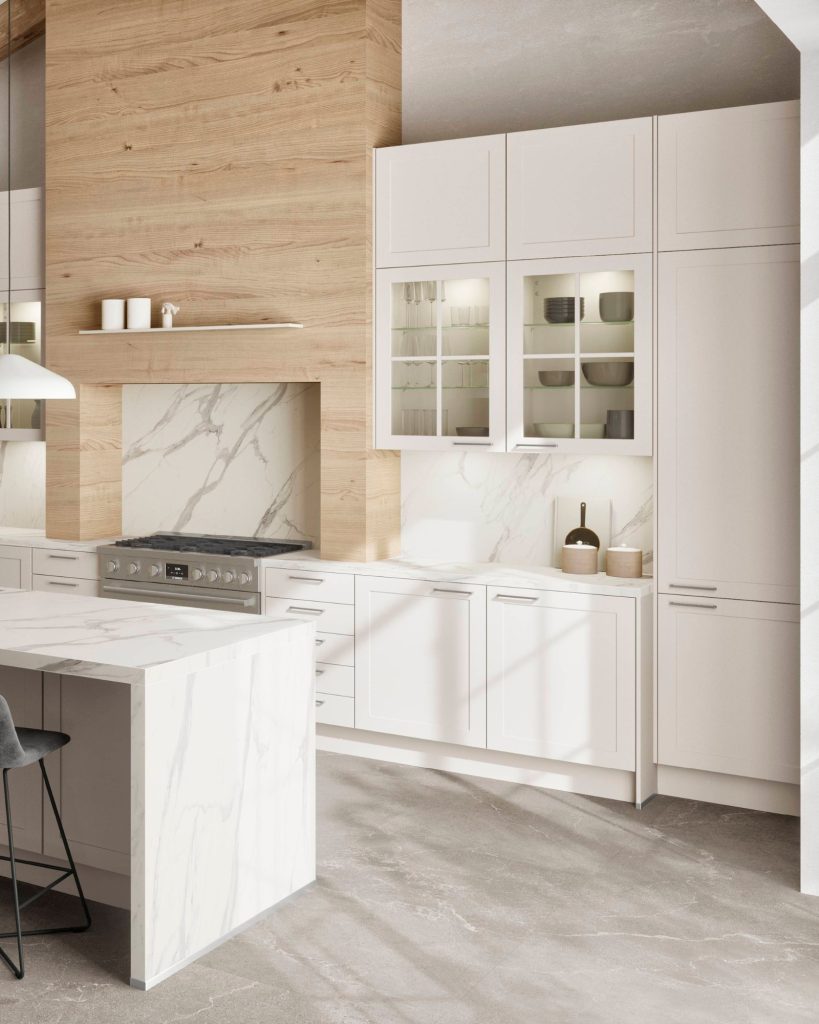
In an elite kitchen, you often find a mix of high-density MDF panels, covered with thick laminate or ultra-resistant lacquer. This composition ensures good durability over time, even when the room gets humid after a big meal or when children play submarine behind the doors.
Some users also highlight the performance of the door dampers and the smoothness of the drawers even after several years of intensive cooking activity. This represents a real plus in terms of comfort, especially if you invest with the idea of keeping this kitchen for fifteen years without having to re-tighten the handles every six months.
⚠️ Common misconception: Using an electric screwdriver set to maximum torque to lock the assembly eccentrics. This is a frequent mistake that crushes the zamak threading or causes the particleboard panel to crack, ruining the final squaring of the structure.
Design and aesthetics: centerpiece or classic?
Design and aesthetics clearly remain two important drivers in the choice. Silky matte finish, textured wood fronts, sober or vibrant tones… Manufacturers compete with imagination to offer lines that certainly don’t look like the average kitchen in a student rental.
On this point, the undeniable advantage lies in the possible customization: color combinations, interplay of materials between the cabinets and countertops, integrated appliances up to the invisible handle… All these options appeal to those who want a friendly and visually polished space, while benefiting from an ergonomics designed for everyday use.
💡 Practical tip: A visual check of the seal under the sink every 6 months prevents sneaky leaks. In case of a micro-leak, the particle board can double in volume in less than 48 hours if the edges are not protected.
Rates and prices: good investment or budget breaker?
Kitchen budget estimator
Estimate overall kitchen cabinet and fitting expenses based on unit count.
Estimated project total:
$
Here comes the eternal awkward question when it’s time to open the checkbook: how much should one spend to get such a kitchen, and above all, is it really worth the money?
The answer will necessarily vary depending on the layout, surface area, number of chosen elements, and options (sliding storage, cabinet walls, LED lighting…). But overall, the rates and prices displayed for an elite kitchen clearly position the product in the mid-to-high-end range. It’s impossible to find a complete offer for less than several thousand euros, and extras quickly drive up the bill. Some save for several years to make the leap, convinced by the promise of long-lasting quality.
- Attractive base prices for certain entry-level collection models.
- Rapid increases linked to finishes, material quality, and personalized options.
- Negotiation sometimes possible on accessories or installation if multiple lots are ordered.
- Beware of hidden fees (delivery, cutting, technical adaptation).
Keep in mind that this investment can be amortized over the long term if strength and durability are present. No need to replace a shaky, cheap melamine kitchen every 10 years anymore…
👍 Strengths
• Thick cabinets ensuring good stability.
• Very quiet drawer damper systems.
• Modern aesthetics with a wide choice of front decorations.
🔍 Reservations
• Assembly instructions sometimes imprecise on accessories.
• Sensitivity of melamine edges to shocks during installation.
Showroom experience: immersion or guaranteed stress?
Coming to see, touch, and open life-size cupboards remains THE essential step to avoid unpleasant surprises upon delivery. Many future owners let themselves be guided by sales advisors: here, the showroom experience truly varies depending on the team encountered.
Some showrooms emphasize a personalized welcome and offer to test different configurations. You can handle the cabinets, check the door closures, observe the lighting under various atmospheres. In other cases, the lack of attention leaves a bitter taste: you walk around the store three times without meeting anyone, or you feel a bit rushed towards a quick purchase. So watch out, because the experience lived at this stage often conditions the overall satisfaction with the project.
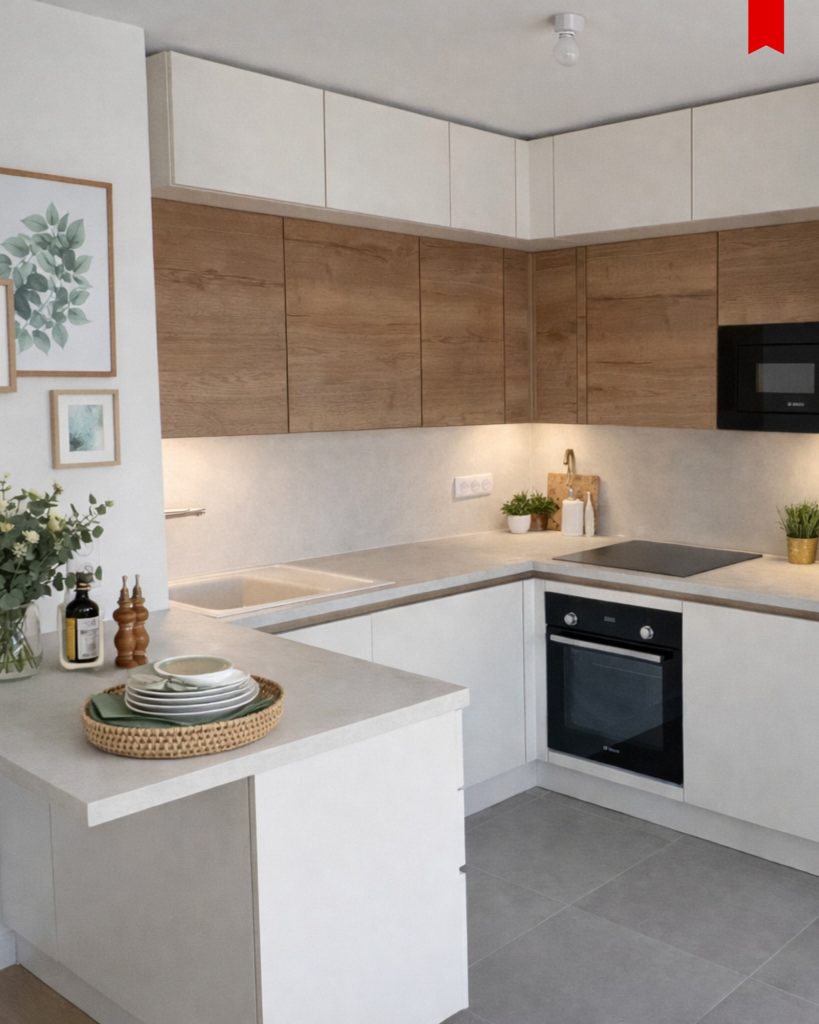
Practical tips to optimize the visit
Remember to come with your precise plan, exact measurements, and a list of your family’s daily needs: number of place settings, storage habits, cooking profile of the household. This avoids costly oversights and allows you to objectively compare the showroom proposals.
Don’t hesitate to take photos, ask to handle all the systems, and request material samples to test at home under your own lighting. It’s in the details that everything is decided during the final decision.
Reading and analyzing samples
Don’t limit yourself to looking at the color: touch, scratch, tap the proposed surfaces. A thin laminate will mark quickly, while a high-end lacquer should withstand your improvised tests. Also take the time to compare the grooves, overall rigidity, and panel weight against a basic model.
Finally, scrutinize the edges and finishes: it’s often there that the difference in furniture quality is seen. If you spot a slight misalignment or irregularity, imagine what it will look like after five years of busy family life…
Installation and fitting: pleasure or hassle to expect?
One of the major advantages promised by elite ranges remains their ease of assembly, even for skilled DIYers. I must say that when unpacking the elements, the German precision is noticeable in the regularity of the drill holes and the fitting of the parts. Fewer curses over a hole placed exactly between two grooves is already a relief.
Some choose professional installation by certified pros, others prefer to take on the challenge solo. In all cases, having a clear manual and support (even via video call or phone) really makes a difference. Beware of eager impatients: it’s better to take the time to read each step, even if it means adjusting two or three cabinets rather than having to dismantle everything because a socket was forgotten behind an upper cabinet…
Common mistakes during installation
I have often seen friends forget to check the floor level, or neglect precise foot adjustment before fixing. Result: doors swing, and the faucet leaks onto the countertop. Elite kitchens tolerate little approximation despite their design: precision during installation remains essential to final satisfaction.
To avoid unnecessary hassle:
- Take your time to methodically assemble each module.
- Check every fixing before wall mounting or backsplash gluing.
- Anticipate water and electricity arrivals to avoid having to modify them later.
Little extras that make installation easier
The majority of recent models include clever markings to facilitate the placement of rails and dampers. Some kits even include leveling shims or covers to hide screws and anchors, allowing for a clean finish even without being a woodworking expert.
In short, with a minimum of organization and some good tools, installing your own elite kitchen becomes an accessible adventure, provided you follow each step without rushing.
Customer service and handling dissatisfaction: professionalism or obstacle course?
In-store, advice and follow-up significantly contribute to the overall rating given by users. An available team that calls back after installation and offers solutions in case of issues makes all the difference. According to many customer reviews, post-sale communication strongly influences final satisfaction.
Sometimes, some encounter problems during delivery (delayed timing, missing or damaged item). Here, everything depends on the responsiveness of customer service. Quickly obtaining a new drawer or an adjustment to the countertop guarantees peace of mind. Conversely, a lack of response quickly turns the excitement of the project into total frustration.
How to get your way in case of dissatisfaction?
If you encounter a problem after installation, keep all your evidence, invoices, email or SMS exchanges. Calmly present your arguments and do not hesitate to escalate directly to a manager if necessary. Often, a composed attitude helps unlock situations that initially seemed inextricable.
Also keep in mind that each brand operates differently regarding warranties: check carefully what it covers, and for how long. A few clear photos sent at the start usually speed up the processing of your request.
Some “old hands” tips to improve customer relations
Remember to thank in writing after a problem is resolved, even a minor one. This creates a favorable atmosphere if further adjustments become necessary in the future. Over the years, establishing a good relationship with your contacts always pays off, whether you are finalizing or expanding your kitchen.
Finally, regularly exchange with other happy owners or DIYers via forums or local groups. You will often gather unique tips to optimize settings or detect in advance a defect barely visible to the naked eye.