Have you recently acquired your first home and are looking to develop your gardening skills? Growing fruits and vegetables can be a rewarding and nutritious activity. Among the various options, fruits starting with the letter C such as cherry, lemon, and celery offer many benefits, including a rich vitamin content. This guide will help you start your vegetable garden focusing on these specific varieties.
Let’s explore together the wonders your garden can offer with fruits and vegetables starting with C. Imagine juicy cherries, lemons full of vitamin C, or a crunchy cabbage, all ready to be harvested. These treasures of nature are not only delicious but also essential for a balanced diet. Also think about green beans and their preservation. They pair easily with a freshly picked apple. Your garden will become a true paradise of flavors and colors!
📋 In brief: Personally, I consider fruits starting with C to offer incredible nutritional diversity, with more than 40 varieties recorded including blackcurrant and clementine. It is a category that often covers 30% of our vitamin C needs. I suggest incorporating them daily to naturally boost your energy.
Planting and caring for cherries and lemons
Growing cherries and lemons requires some specific knowledge to succeed. First of all, these fruit trees need a well-sunny location and well-drained soil. For cherries, choose a variety suited to your climate. Cherries like places that receive direct sunlight for most of the day. As for lemons, they can also thrive in pots, which is ideal if you have limited space or live in a region with cold winters. Make sure to protect these plants during winter, especially the lemon tree which is more sensitive to frost.
🎒 On the ground: In July 2025, I picked Burlat cherries in a local orchard for only 4 euros per kilo. I ate so many that I couldn’t have dinner that evening. The lesson learned is simple: the freshness of a fruit picked at maturity surpasses any supermarket product.
Pruning is also crucial to encourage good fruit production. For cherry trees, pruning should be done at the end of winter, before the new growth begins. This helps maintain the shape of the tree and encourages fruit growth for the next season. Lemon trees, on the other hand, can be pruned to remove dead or diseased branches, as well as to shape the tree according to your aesthetic needs. Regular nutrient supply, such as a potassium-rich fertilizer, will promote good growth and abundant flowering, essential for a good fruit harvest.
To go deeper, I recommend consulting our list of fruits and vegetables starting with C which complements this topic well. Our directory on fruits starting with B also provides useful leads. Finally, discovering a vegetable starting with C offers interesting insight into garden varieties.
Tips for preserving and using harvested fruits

Once you have successfully grown these delicious fruits, it is essential to know how to store them properly to maximize their shelf life and their tangy flavor. Cherries, for example, should be kept in the refrigerator and are best consumed within the first few days after harvesting. They can also be frozen or made into jams or pies. The lemon, on the other hand, can be kept at room temperature for about a week or longer in the vegetable compartment of the refrigerator.
In addition to fresh consumption, lemons can be used to prepare a variety of recipes, ranging from refreshing drinks to seasonings for dishes. Their juice and zest add a tangy touch to many dishes and can also be used in dressings or marinades. Cherries, rich in antioxidants, are not only delicious but also beneficial for the immune system. They can be incorporated into desserts or used to make sauces to accompany meat dishes.
- Cherries: Choose varieties suited to your climate.
- Lemons: Ideal for container growing, protect them during winter.
- Pruning: Crucial for good fruit production.
- Storage: Refrigerate or process fruits to extend their use.
- Culinary uses: Excellent in both sweet and savory recipes.
Incorporating nutrient-rich fruits for a balanced diet
| Fruit | Calories (100g) | Vitamin C (mg) | Season |
|---|---|---|---|
| Blackcurrant | 63 kcal | 181 mg | Summer |
| Lemon | 29 kcal | 53 mg | Winter |
| Clementine | 47 kcal | 49 mg | Winter |
| Cherry | 63 kcal | 7 mg | Summer |
| Quince | 57 kcal | 15 mg | Autumn |

Adding fruits such as cherries, known for their health benefits, is another excellent strategy to diversify your garden. The apple, in particular, is highly appreciated for its ease of cultivation and its storage options. It can be eaten fresh or used in various recipes throughout the year. Cherries, meanwhile, require a bit more care in terms of maintenance and disease protection, but their sweetness makes them a reward worth the effort.
Growing these fruits is not only beneficial for your diet; it can also transform your garden into a vibrant and attractive living space. Fruit trees, for example, provide not only fruits but also shade during the hot summer months. They also attract various species of beneficial birds and insects, thus contributing to the biodiversity of your garden. By considering the full life cycle of these plants, you engage in a form of sustainable gardening that respects and enriches your local environment.
Common mistakes to avoid in gardening
When you start gardening, some mistakes are common but avoidable. One frequent mistake is overwatering, which can lead to fungal diseases or root rot. Another mistake is planting too densely, which limits air circulation and increases the risk of diseases. It is therefore crucial to space your plants properly and follow the specific instructions for each species.
Fruits starting with C are particularly numerous and varied. Some are very popular worldwide, while others remain rarer or exotic. Whether for a word game, culinary research, or simply to enrich your knowledge, discovering fruits beginning with C allows you to explore a great diversity of flavors and textures.
Complete list of fruits starting with C
The list of fruits starting with C includes many well-known and exotic varieties. Among the most popular are cherry, clementine, lemongrass, lemon, cranberry, carambola, blackcurrant, coconut, quince, cranberry, cupuacu, cornelian cherry, and ground cherry.
These fruits starting with C come from different regions of the world and have very varied tastes. Some are sweet, others more tart, making them interesting both in desserts and in savory recipes or drinks.
The cherry: an essential fruit starting with C
⚠️ Warning: Never wash your cherries before storing them in the fridge. Moisture speeds up the rotting process. Wash them only just before eating.
The cherry is undoubtedly one of the most appreciated fruits starting with C. This small red fruit is known for its juicy and sweet flesh, ideal for desserts, clafoutis, or homemade jams.
This fruit rich in antioxidants also contains vitamins and minerals beneficial to the body. Widely consumed during summer, the cherry is one of the emblematic fruits of the summer season.
The lemon: a fruit with multiple uses
💡 Tip: To get more juice from a lemon, roll it firmly on your countertop with the palm of your hand for 10 seconds before squeezing.
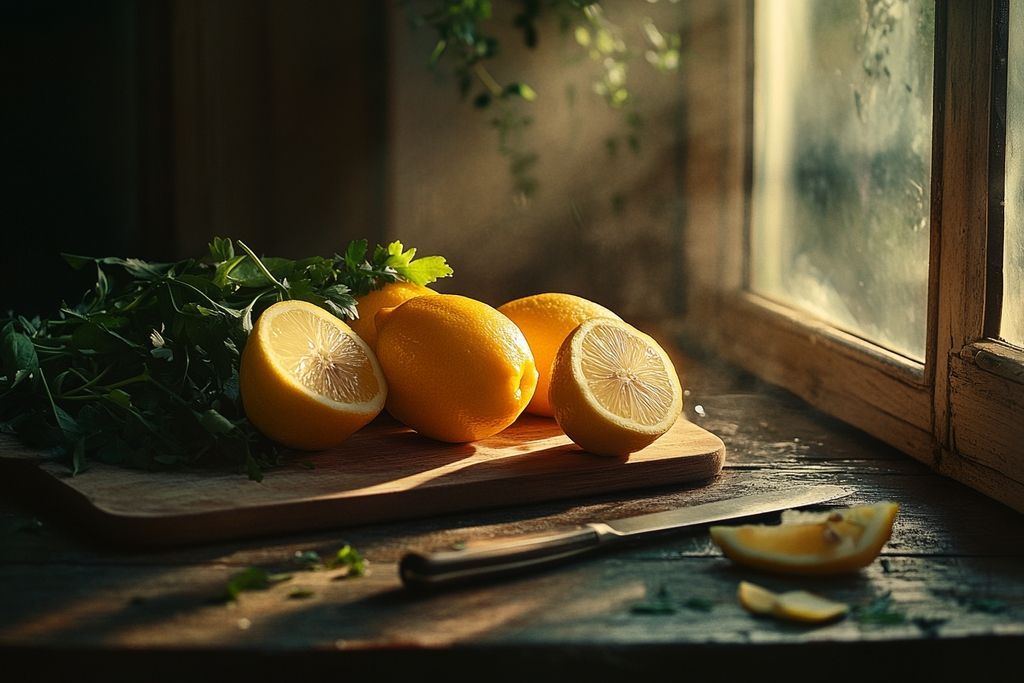
The lemon is a fruit starting with C widely used in cooking and beverages. Its tart taste adds freshness to dishes, sauces, desserts, and juices.
Rich in vitamin C, lemon is also known for its refreshing and digestive properties. It is frequently used in detox recipes, infusions, and everyday culinary preparations.
The carambola: an original exotic fruit
The carambola is a tropical fruit recognizable by its star shape when cut into slices. Very popular in several Asian countries, it has a sweet and slightly tart flavor.
This exotic fruit starting with C is often used to decorate desserts, prepare juices, or add an original touch to fruit salads. Its richness in vitamins also makes it a nutritionally interesting food.
Nutritional qualities of fruits starting with C
🍀 Strengths
- Record vitamin C content
- Strong and varied flavors
- High pectin content
🔻 Limitations
- High acidity for enamel
- Very short season (cherries)
Fruits starting with C provide many essential nutrients such as vitamins, fibers, and antioxidants. Some, like lemon or cranberry, are particularly known for their high vitamin C content.
Thanks to their diversity, fruits starting with C make it easy to vary your diet while enjoying natural and refreshing flavors. They fit well both in snacks and in more elaborate recipes.
Exotic and rare fruits starting with C
🌍 Did you know? Blackcurrant is one of the richest fruits in antioxidants worldwide. It contains three times more vitamin C than oranges and twice as much as kiwi.
Several rare fruits starting with C remain little known to the general public. The cupuacu, native to the Amazon, is appreciated for its fragrant pulp used in desserts and tropical drinks.
The cornelian cherry, from the cornel tree, is also an ancient fruit rarely consumed today but once popular in certain European regions. These exotic fruits starting with C allow discovering new flavors from around the world.
Summary of fruits starting with C
Fruits starting with C include a wide variety of flavors, from classic fruits like cherry and lemon to exotic fruits like carambola or cupuacu. They possess many nutritional and culinary qualities.
Exploring fruits sorted by letter enriches knowledge and helps discover sometimes forgotten or little-known foods. Fruits starting with C perfectly illustrate the richness and diversity of the fruit world.
By exploring fruits starting with the letter “C,” we have discovered a variety of flavors and health benefits they offer. To extend this exploration of nature and its wonders, why not consider creating an outdoor space where you can grow your own fruits? Discover how to set up a garden in the city to transform your urban environment into a small fruit paradise.