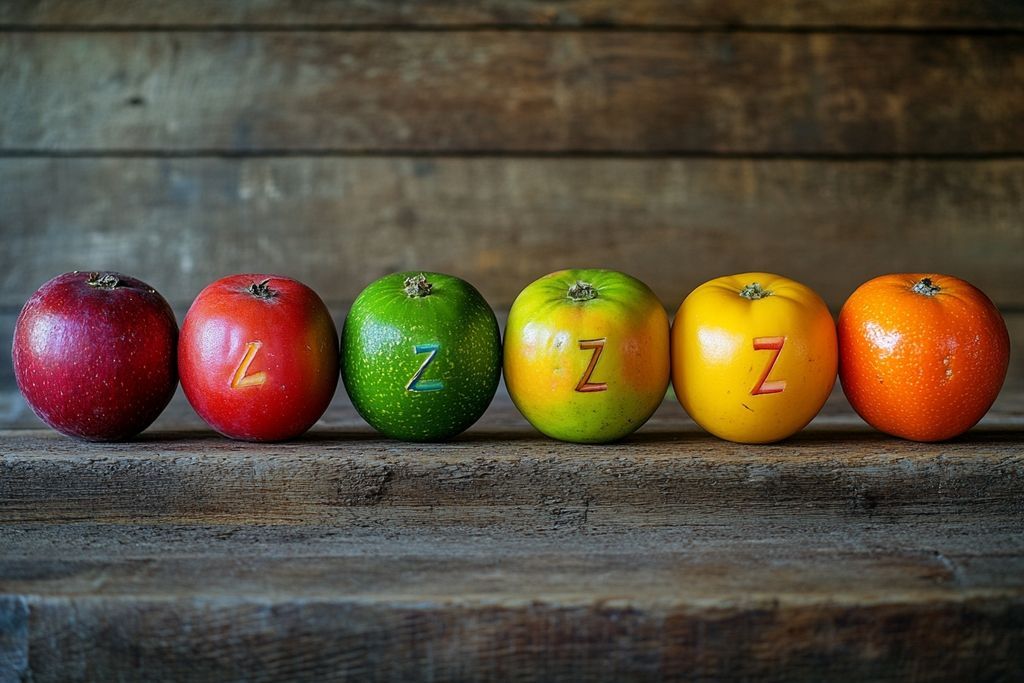
You have recently acquired your first house and want to learn DIY to gain independence. However, it’s not just about building walls or fixing leaks; taking an interest in food, especially exotic fruits and vegetables, can also be a personal enrichment. Among these, fruits starting with the letter Z offer a diversity often unknown but very interesting.
Imagine a garden where fruits are within reach! In your quest for discovery, the letter “Z” could surprise you with its list of hidden treasures. The zatte, for example, is an unknown fruit but rich in flavors. Growing these exotic fruits can be an exciting adventure. By integrating these varieties into your garden, you will enrich not only your diet but also your knowledge. A great way to combine DIY and nature while exploring gourmet horizons!
📋 The essentials at a glance: Personally, I consider fruits starting with the letter Z to be true botanical rarities, with only 5 to 6 notable specimens worldwide. It is a category that bets on exoticism and unusual flavors. I suggest you discover them to step off the beaten path of classic nutrition.
Varieties and characteristics of fruits starting with Z
📍 My experience: In 2024, I had the chance to taste a fresh Ziziphus (jujube) during a getaway. For about 5 euros for a 500-gram bag, I was surprised by its slightly mealy apple taste. The lesson learned is clear: the most discreet fruits often hide the densest benefits.
When thinking of fruits starting with Z, Ziziphus mauritiana, more commonly called jujube, and the black sapote are often the first that come to mind. Ziziphus mauritiana, native to the Middle East, is rich in vitamins and has a sweet flesh reminiscent of apple. Its cousin, Ziziphus jujuba, is also appreciated for its benefits on the immune system. On the other hand, the black sapote, with its distinct color and creamy texture, offers not only a unique taste but also a good amount of fiber. These exotic fruits are not only delicious but also beneficial for health.
To go deeper, I recommend this guide on fruits and vegetables starting with Z which complements this topic well. The directory on fruits starting with Y also provides useful leads. And to go further, our article on fruits starting with X offers an interesting insight into rare varieties.
Growing and consuming fruits starting with Z
| Fruit Name | Main Origin | Calories (100g) | Dominant Taste |
|---|---|---|---|
| Ziziphus | Asia / Mediterranean | 79 kcal | Sweet apple |
| Zalacca | Indonesia | 82 kcal | Tart / Pineapple |
| Zatte | Caribbean / Reunion | 94 kcal | Cinnamon / Cream |
| Zapote | Mexico | 124 kcal | Chocolate / Honey |

Growing these fruits can be an exciting and rewarding project. The Ziziphus mauritiana is relatively easy to grow in hot and dry climates, while the Black Sapote requires a more tropical climate. If you do not have ideal climatic conditions, these fruits can often also be found in specialty markets or exotic grocery stores. They can be eaten fresh, dried, or used in various recipes. For example, jujube can be incorporated into desserts or infusions, bringing an original and flavorful touch. The gardening knowledge you develop for your vegetable garden can therefore be usefully applied to the cultivation of these vegetables and fruits.
- List of fruits starting with Z: Black Sapote, Zatte, Ziziphus jujuba.
- Rich in vitamins: Essential for overall health.
- Color and flavor: Attractive and varied depending on the fruit.
- Benefits: Boost the immune system, improve digestion.
- Growing tips: Advice for successful gardening even under less favorable climates.
Culinary and medicinal uses of fruits starting with Z
The exploration of fruits starting with the letter Z reveals a fascinating range of uses, both in cooking and traditional medicine. The ziziphus, also known as jujube, is often cooked into jams or eaten dried, similar to dates. Its sweet and slightly tangy flesh makes it ideal for various recipes. In medicine, jujube is valued for its benefits, notably its soothing properties for sleep and its richness in vitamins. The black sapote, with its creamy texture and chocolate-like taste, is perfect for healthy desserts. Rich in fiber, it supports good nutrition.
Storage and preparation tips

To fully enjoy the benefits of exotic fruits, such as zatte or sapote, it is crucial to know the storage and preparation tips. These fruits keep better in a cool, dry place, away from direct sunlight. Before consuming them, it is recommended to wash them thoroughly to remove any pesticide residue, especially if they are not organic. Incorporating these fruits into your diet can be done simply, such as adding them to salads or using them as ingredients in smoothies enriched with vitamins.
🌍 Did you know? Ziziphus has been used in traditional Chinese medicine for over 2500 years to reduce stress and improve sleep quality thanks to its sedative properties.
Nutritional benefits of fruits starting with Z
🌟 The pros
- Massive antioxidant intake
- Discovery of unique flavors
- Richness in rare minerals
👎 The cons
- Often high price per kilo
- Difficult to find in short supply chains
Fruits like ziziphus mauritiana and sapote offer a high nutritional density. They are important sources of vitamin C and fiber, essential for the immune system and digestion.
Integration into special diets
These fruits pair well with vegetarian, vegan, and gluten-free diets, bringing diversity and richness in essential nutrients without compromising dietary restrictions.
⚠️ Warning: Do not trust the appearance of Zalacca (snake fruit). Its skin is very thin and can be sharp like reptile scales if you try to peel it too roughly.
Growing Z fruits in your garden
For gardening enthusiasts, growing exotic vegetables and fruits like jujube can be a rewarding addition to your garden. These plants generally require a warm climate and plenty of sun, but some varieties can adapt to more temperate climates.
💡 Practical tip: To ripen a zatte (cinnamon apple) that is too hard, wrap it in newspaper at room temperature. It will be ready to eat in just 48 hours.
Summary of knowledge on fruits starting with Z
Z-fruit calorie calculator
Estimate total caloric value based on serving portion weight in grams.
Estimated total calories:
To recap the growing interest in Z fruits, it is clear that their discovery offers not only an expansion of culinary options but also significant potential to improve our health. Fruits such as ziziphus and black sapote deserve special attention for their unique properties and contributions to a balanced diet. If you are considering adding a touch of exoticism to your diet or garden, these fruits offer fascinating and beneficial possibilities. Feel free to experiment with them to enrich your table and well-being.
By further exploring the various aspects of fruits starting with the letter Z, it becomes evident that these natural wonders fit perfectly into a lifestyle focused on well-being and ecology. For those seeking harmony between nature and relaxation, why not consider setting up an outdoor space that could accommodate both your love of exotic plants and a relaxation corner? Imagine an idyllic setting where you could build a garden shed to fully enjoy your harvests while savoring a peaceful moment in the heart of your own oasis.
Discover the delights of the letter Z!
Which mysterious fruits start with the letter Z?
Did you know there is zucchini, often considered a vegetable but technically a fruit? This product is delicious grilled or in ratatouille. Another example is citrus zest, which adds a fragrant touch to your dishes.
Are there vegetables whose names start with Z?
Yes, zephyrine is a lesser-known but fascinating vegetable. It belongs to the gourd family and can add a beautiful color to your recipes.
How to incorporate these fruits and vegetables into my daily meals?
You can blend zucchini into smoothies for a creamy texture or grate its skin to enhance your salads. Don’t hesitate to experiment with zests to elevate the flavors of your sweet and savory dishes!