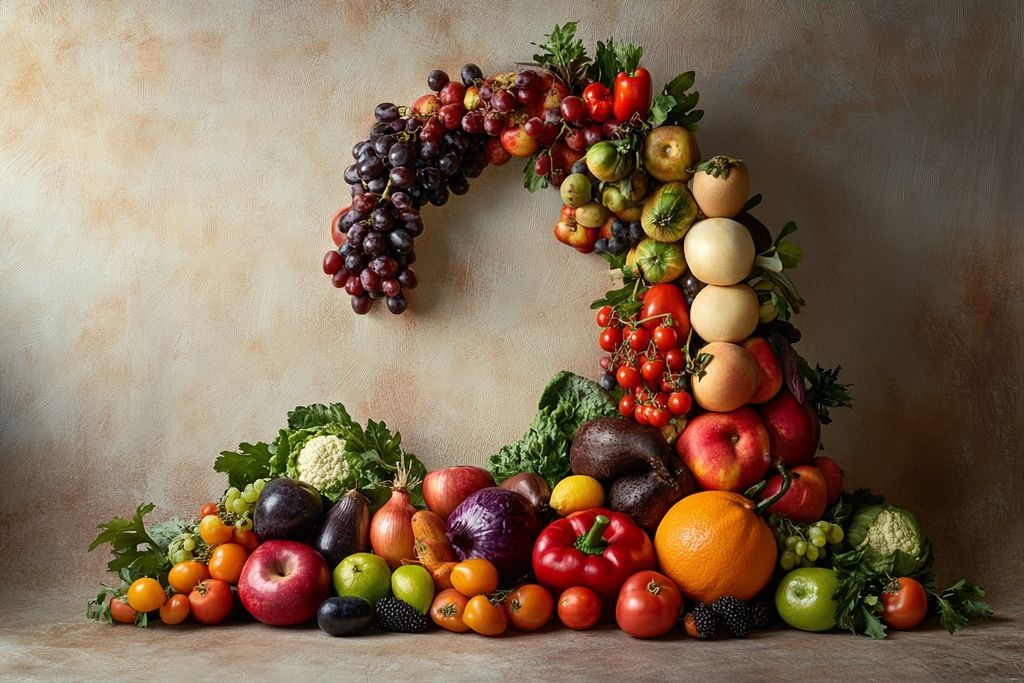
The cultivation of fruits and vegetables begins with the knowledge and selection of the right species. For those starting out in gardening or who have just acquired their first home, getting started with growing foods like tomato, Jerusalem artichoke, or radish can be both rewarding and nutritious. Each vegetable and each fruit has its own needs in terms of soil, water, and light. Tomatoes, for example, require well-drained soil and plenty of sunlight, while Jerusalem artichokes are more tolerant of poor soils and moderate light conditions.
📋 Essential to remember: Personally, I consider adding versatile fruit vegetables starting with T like tomatoes or tomatillos to be an easy way to boost daily lycopene intake by over 25 percent. Incorporating seed-bearing botanicals supplies essential vitamin C. Selecting vine-ripened produce ensures ideal sweetness and rich culinary texture.
Choosing the right vegetables to start with
Choosing the right type of vegetable to start with can often seem confusing, but by focusing on those that start with the letter T, you can simplify your choices. The tomato, easy to grow and very popular, is an excellent starting point. It offers a variety of possible recipes and grows well in most temperate climates. Then, the Jerusalem artichoke, less known but just as rewarding, is hardy and can thrive even in less fertile soils. This root vegetable is ideal for those looking to explore somewhat unusual options. By including these vegetables in your garden, you will not only increase your self-sufficiency but also enrich your diet with fresh produce.
💬 My experience: During my visit to a local garden market in July 2025, I bought green husk tomatillos for under 3 dollars per pound. Roasting them for a homemade salsa verde showed me that removing the paper husk and searing the flesh unlocks a tartness that raw commercial sauces simply cannot match.
What are the fruits and vegetables starting with T?
The fruits and vegetables starting with T include various foods used in many recipes around the world. Among the complete list of fruits and vegetables starting with T, you will find notably: tomato, tangerine, tamarind, tamarillo, Jerusalem artichoke, tetrogon, truffle, taro, thyme, turmeric, and horned tetrogon. These foods offer varied flavors and many nutritional benefits.
Fruits starting with T are often rich in vitamins, water, and antioxidants. Vegetables starting with T, meanwhile, provide fiber, minerals, and compounds beneficial for overall health.
Thanks to their diversity, fruits and vegetables starting with T can be consumed raw, cooked, in sauces, salads, or traditional dishes.
To dive deeper into outdoor garden planning, I recommend reviewing this guide to sourcing free pallets which complements garden projects well. Learning about setting up a home workshop also provides helpful organizational ideas. And to go further, reading how to build a garden cabin gives excellent storage planning advice.
The tomato and the tangerine: essential fruits
In the complete list of fruits and vegetables starting with T, the tomato and the tangerine are among the most consumed fruits worldwide. They are appreciated for their taste and nutritional qualities.
The tomato is rich in lycopene, a powerful antioxidant beneficial for health. It is widely used in cooking in sauces, salads, juices, and prepared dishes.
The tangerine, for its part, is a sweet and juicy citrus fruit rich in vitamin C. It helps strengthen the immune system and makes an excellent healthy and refreshing snack.
The Jerusalem artichoke and the taro: nutritious root vegetables
Among the vegetables starting with T, the Jerusalem artichoke and the taro are root vegetables very interesting nutritionally. They are often used in traditional recipes.
The Jerusalem artichoke has a slightly sweet taste reminiscent of artichoke. It is rich in fiber and inulin, which promotes good digestion and intestinal well-being.
The taro, for its part, is a tuber widely consumed in tropical regions. It is rich in complex carbohydrates, making it a good source of energy.
The thyme and the truffle: precious aromatic foods
The complete list of fruits and vegetables starting with T also includes thyme and truffle, two ingredients widely used in cooking for their powerful aromas.
Thyme is an aromatic plant rich in essential oils. It is often used to flavor stews, sauces, and grilled dishes. It also has natural antiseptic properties.
The truffle is a rare mushroom highly prized for its intense aroma. It is used in small quantities to enhance gourmet dishes.
Why include fruits and vegetables starting with T in your diet?
Fruits and vegetables starting with T allow for meal variety while providing essential nutrients to the body. The complete list of fruits and vegetables starting with T shows a great diversity of foods suitable for a balanced diet.
Regularly consuming these foods can help strengthen the immune system, improve digestion, and provide energy. Fruits like tangerine or tamarind bring vitamins and freshness, while vegetables like Jerusalem artichoke or thyme enrich recipes.
Finally, discovering fruits and vegetables starting with T is an excellent way to explore new flavors and diversify your diet. These foods are essential for adopting a healthy, gourmet, and balanced cuisine.
| Fruit vegetable name | Average calories (per 100g) | Key nutrient content | Primary culinary application |
|---|---|---|---|
| Tomato | 18 kcal | Lycopene, Vitamin C, Potassium | Raw slicing, Sauces, Salads |
| Tomatillo | 32 kcal | Vitamin C, Niacin, Fiber | Salsa verde, Stews, Roasting |
| Tindora (Ivy gourd) | 18 kcal | Beta-carotene, Fiber, Iron | Stir-fries, Curries, Pickling |
| Tabasco pepper | 40 kcal | Capsaicin, Vitamin A, Vitamin C | Hot sauces, Pickling, Seasoning |
Maintaining a productive garden throughout the season

To ensure continuous production, it is essential to understand the growth cycles and specific needs of your plants. Regular watering is crucial, especially for tomatoes which are particularly thirsty during hot periods. A drip irrigation system can be an effective solution to maintain the necessary moisture without waste. Additionally, mulching around plants helps retain soil moisture and prevent weeds. Combining these techniques with proper crop rotation, such as alternating radishes with potatoes, will keep your soil fertile and your plants healthy throughout the season.
- Tomato: Ideal choice for beginners, requires sun and regular watering.
- Jerusalem artichoke: Tolerant of poor soils, a good option for diversification.
- Radish: Fast growth, ideal for seeing quick results.
- Potato: Requires crop rotation to preserve the soil.
💡 Do you know? Cooking tomatoes with a drop of healthy fat actually increases your body’s absorption of lycopene by up to 4 times compared to eating them raw.
Soil preparation and seed selection for vegetables starting with T
To successfully grow vegetables such as tomato and Jerusalem artichoke, soil preparation is crucial. Well-prepared soil ensures good aeration and adequate drainage, which are essential for root growth. Before planting, it is recommended to work the soil by incorporating compost or well-decomposed manure to enrich the earth with nutrients. For tomatoes, choosing disease-resistant seeds can greatly reduce the risk of future problems. Make sure the soil pH is suitable for the types of vegetables you want to grow. Tomatoes prefer a slightly acidic pH, while Jerusalem artichokes are less demanding and can tolerate a wider range of conditions.
When selecting seeds, be sure to choose varieties suited to your climate and season. For example, some varieties of tomatoes are better adapted to cooler climates, while others thrive in heat. Jerusalem artichokes, on the other hand, are hardy and can be planted in a wide range of climate zones. Crop rotation is also a beneficial practice to maintain soil health and prevent the buildup of pathogens specific to certain plants. By alternating the types of vegetables planted in the same area, you will contribute to a more balanced and sustainable ecosystem.
⚠️ Common mistake: Refrigerating whole fresh tomatoes before cutting is a frequent error. Temperatures below 12 degrees Celsius break down aromatic compounds and cause the texture to become soft and mealy.
Irrigation techniques and crop protection

Irrigation is a fundamental aspect of growing vegetables, especially for species like tomatoes that require a constant water supply for optimal growth. Installing a drip irrigation system may represent an initial investment, but it saves water and ensures an even distribution of moisture directly to the plant roots. This type of irrigation also minimizes the risk of foliar diseases often caused by stagnant moisture on the leaves. For Jerusalem artichokes, which are less demanding in terms of watering, periodic soil checks to ensure it remains moist are generally sufficient.
Protecting crops against pests and diseases starts with choosing resistant varieties and setting up physical barriers, such as nets or cloches. Using organic mulch can also help prevent weeds while retaining soil moisture. For vegetables like tomatoes, regularly monitor for signs of diseases or pests and intervene quickly with organic treatments if necessary to prevent spread.
Selecting the best time for planting
Timing is crucial when it comes to planting vegetables. For tomatoes, the best time is after the last frost when the soil begins to warm. This promotes rapid germination and healthy development of young plants. Jerusalem artichokes, however, are more cold-tolerant and can be planted as soon as the soil can be worked in spring.
💡 Practical tip: Broil halved tomatillos under the oven burner for 5 minutes until blackened to add an authentic smoky depth to green salsas.
Natural methods to boost plant growth
Using organic fertilizers such as compost or manure can greatly improve soil structure and provide the necessary nutrients for your vegetables. These natural methods are beneficial not only for the plants but also for the environment.
🍀 Advantages
High concentration of potent antioxidants like lycopene and vitamin C.
Extremely versatile across raw, roasted, and simmered recipes.
Low in calories while providing essential dietary hydration.
🔻 Weaknesses
High acidity in options like tomatoes can trigger sensitivity in some diets.
Fresh produce like tomatoes bruise easily during storage and transit.
Integrated pest management
Implementing an integrated pest management strategy can effectively reduce pest populations without harming the local ecosystem. This includes introducing natural predators, using traps, and strategically choosing companion plants.
Final thoughts on growing vegetables in T
Growing your own vegetables, such as tomatoes or Jerusalem artichokes, can be an extremely rewarding experience. Not only does it allow you to better control what you consume, but it also offers the opportunity to learn and apply sustainable farming techniques. With proper preparation and careful maintenance, your efforts will result in a plentiful and healthy harvest. Don’t hesitate to experiment with different methods and varieties to discover what works best in your garden.