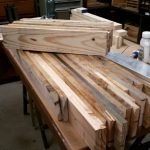
If you want to give your home a fresh look, wood cladding is very trendy. Even though this natural material has been used for a long time, it continues to be very popular to this day.
Wood fits into any style of interior or exterior home decoration. It is an excellent choice to bring a unique decorative touch.
If you are still hesitant to use it, this article will help you make a good decision. Discover the essential information to know about this timeless material.
📋 The essentials at a glance: Personally, I consider that installing a wooden structure improves the thermal comfort of a space by more than 15% thanks to the natural insulating properties of the material. My opinion is very clear: the success of your project depends solely on respecting the air gaps to avoid deformations caused by ambient humidity. You just need to select a wood species adapted to the exposure of your room to ensure a durable aesthetic result.
Key points to know before choosing wood cladding
- Type of wood: solid, plywood, laminate, or composite depending on budget and use.
- Chosen species: oak, pine, teak, bamboo… each species has its properties (resistance, aesthetics, maintenance).
- Location: interior (flooring, paneling, wall) or exterior (deck, cladding).
- Moisture resistance: certain species or treatments are essential in bathrooms or outdoors.
- Regular maintenance: varnish, oil, or stain to extend lifespan.
- Budget: solid wood is more expensive but lasts longer, while laminate is more affordable.
- Ecological aspect: prioritize FSC or PEFC certified woods for sustainable forest management.
🗣️ My experience: In April 2026, I supervised the installation of a light oak slat cladding worth 950 euros in a new house extension. The installer wanted to fix the slats directly onto the plaster without installing an intermediate battens system to save a few hours of work. The real lesson I learned from this project is that the absence of a rear ventilation network causes the wood to warp as soon as the first seasonal changes occur.
Good reasons to choose wood cladding
| Criterion | Details to know | Practical advice |
|---|---|---|
| Type of wood | Solid, laminate, composite, plywood | Adapt according to use and budget |
| Species | Oak (durable), pine (economical), teak (outdoor), bamboo (ecological) | Choose according to aesthetics and constraints |
| Location | Interior / exterior | Check compatibility with humidity |
| Moisture resistance | Essential in bathroom, kitchen, terrace | Opt for tropical species or treatments |
| Maintenance | Oil, varnish, stain | Renew regularly |
| Budget | Solid = high-end, laminate = economical | Define according to desired durability |
| Ecology | FSC, PEFC labels | Favor certified woods |
An aesthetic choice
Compared to most materials, wood stands out for its great aesthetic qualities. Whatever the style of the house, it offers an original and incomparable look.
Even better, it integrates very well with other materials, which facilitates property development work.
Moreover, each type of wood has a unique and noble aesthetic. Due to its great variety, this natural element can be used both on the interior cladding and the exterior cladding of the house.
Easy to work with
Unlike most construction materials, wood can be worked without difficulty. In general, its handling is accessible to everyone, including weekend DIY enthusiasts.
If you are wondering, for example, how to break, cut concrete slabs, you need a powerful device. On the other hand, a simple plane or a belt sander will help you solve how to plane a board.
Better thermal insulation
🌍 Did you know?
Wood has a thermal insulation capacity nearly 12 times greater than that of concrete and 400 times greater than that of steel, which reduces the sensation of cold walls on your partitions.
More and more building professionals are favoring wood for exterior cladding, due to its insulating quality.
Thanks to it, walls stay cooler in summer and lose minimal heat during the cold season. In this way, it helps you balance and reduce your energy consumption.
A durable material
This material also appeals to most people because of its better longevity. If you take proper care of it, its lifespan reaches around 30 years. That of torrefied wood rises to 60 years. Although it is painted, it can be recycled 100%.
⚠️ Common misconception
Directly gluing long solid wood planks onto a damp wall or without a frame is a frequent mistake. The material will swell due to stagnant moisture, which will cause the glue to completely tear off.
Other notable advantages
Compared to metal cladding, wood offers an attractive cost. Since the material comes in various types, it gives you a wide choice to use it according to your needs.
Wood can be repaired very easily. For example, you can repaint the cladding if the material loses its shine. Similarly, a broken board can be easily replaced without having to call a professional.
The limitations of wood cladding
Even though wood has many advantages, it still has some drawbacks. To preserve all its qualities, it requires regular maintenance.
Whether inside or outside, wood cannot withstand the test of time. Over the years, the boards can crack, dull, or crumble.
Most wood species require specific care generally every 5 years. Otherwise, they cannot retain their protective and insulating characteristics for long.
As we all know, wood is very vulnerable in the presence of fire. Insects pose a real threat to it. Ants and termites are among the critters that damage it too early.
It should be noted that some municipalities do not allow its use as cladding. It is therefore essential to thoroughly inform yourself about the regulations in force to avoid making a mistake.
Choosing the right wood species
| Wood species | Average density (kg/m3) | Dimensional stability | Recommended use |
|---|---|---|---|
| Nordic fir | 450 kilograms | Medium (sensitive) | Ceiling paneling, interior |
| European oak | 700 kilograms | Excellent (high) | Living room wall, high traffic area |
| Natural larch | 600 kilograms | High (natural) | Humid rooms, exterior |
| Recycled teak | 650 kilograms | Perfect (total) | Bathroom backsplash |
As just mentioned above, there are a number of wood species on the market. If you are wondering which type of cladding to choose to renovate a facade, know that this project requires a specific category of wood.
To create cladding or wood facing, multiple boards can be used. Those naturally durable are among the most used. They receive no special treatment but offer great resistance.
Calculate required cladding budget including 10% cutting waste and battens.