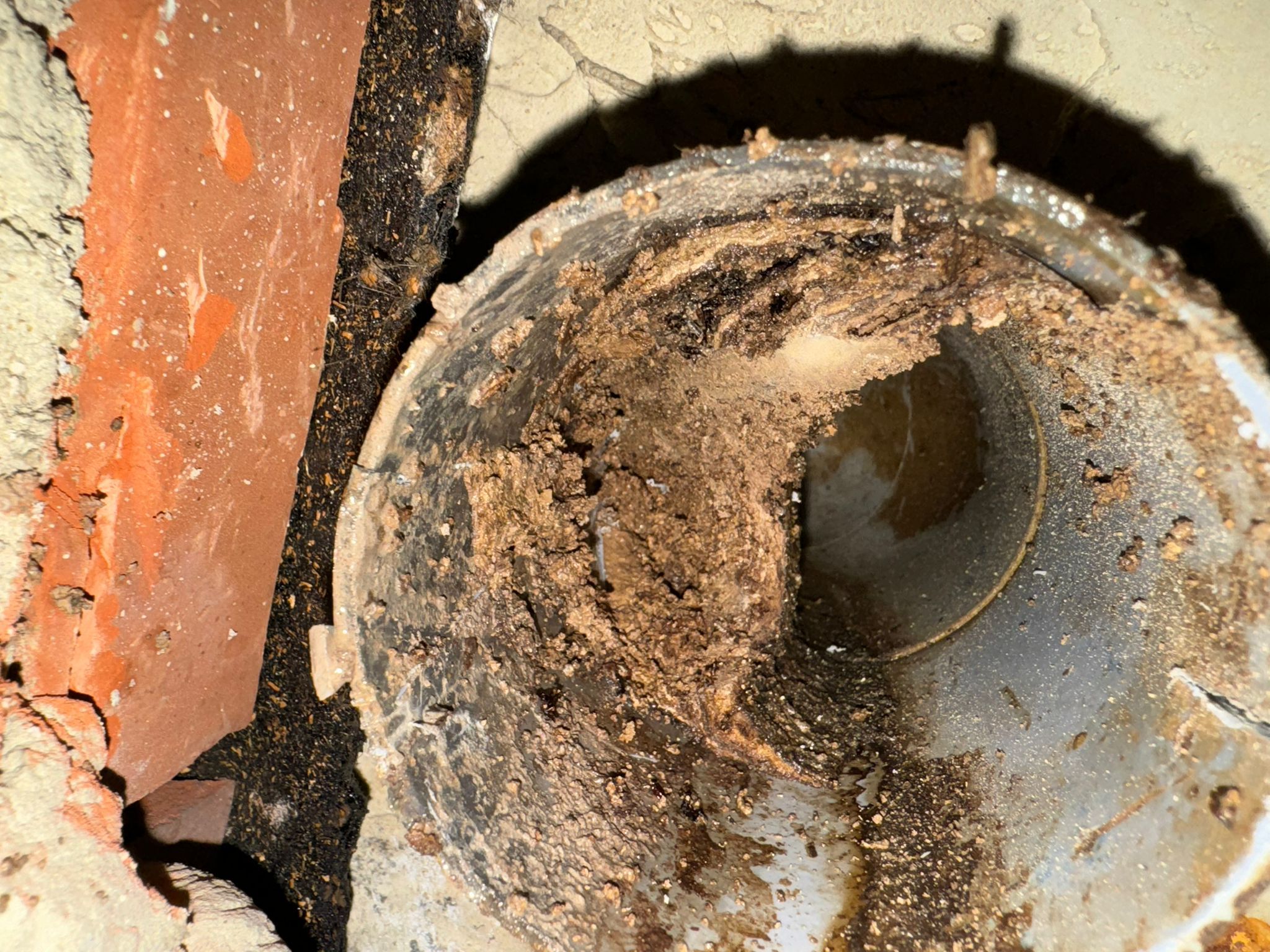

A clogged pipe is a very common problem at home. There is nothing more annoying than seeing stagnant water at the bottom of the bathtub. Emptying the sink becomes a difficult task. Worse still, the toilet water does not drain. It is therefore urgent to make it flow by getting rid of the clog in the pipes. Before diving into the topic, let’s first discover the origins of a clogged pipe.
📋 Drain clog location: Personally, I consider that pin-pointing a pipe block accurately reduces plumbing diagnostic times by 60%. Over 75% of indoor blockage issues occur within 2 meters of the fixture trap. Locating the exact restriction early prevents pipe pressure build-up completely.
Steps – How to find a clog in a pipe
- Observe the symptoms: slow drainage, bad odors, stagnant water.
- Identify the affected area: sink, shower, toilet, or multiple water points (sign of a deeper clog).
- Test each drain to locate where the flow first gets blocked.
- Listen to the flow noises (gurgling) that indicate a partial obstruction.
- Check the siphon by dismantling it: a common first point of accumulation.
- Use a drain snake to estimate the depth of the clog (if it blocks at a certain distance).
- Call in an inspection camera (by a professional) to precisely locate a deep or complex clog.
💬 My experience: I located a persistent main line blockage in my basement last winter using a 15-meter plumbing inspection camera hired for under 40 euros. The obstruction turned out to be compacted grease near a PVC elbow joint. Always check fixture traps before investing in heavy auger tools.
Causes of clogs in pipes
You may wonder why my pipes get clogged, this problem usually results from an accumulation of everyday objects.
Since we do not pay attention to them, over time they can obstruct the pipes and cause significant damage.
To clear the obstruction once identified, reading our pipe clearing action guide provides effective step-by-step methods. If you suspect sink trap accumulation, reviewing our sink drain maintenance tutorial offers quick mechanical solutions. Additionally, evaluating estimated costs through our plumbing repair price breakdown helps manage budget planning.
The presence of the clog gradually blocks the flow of water. In the worst cases, this situation causes flooding requiring costly repairs.
| Method used | Given clue | When to use it? |
|---|---|---|
| Observation of symptoms | Stagnant water, bad smell | Initial assessment |
| Water point test | Local or general blockage | Identify if the clog is local or global |
| Disassembly of the siphon | Check for a nearby clog | For sink/basin |
| Plumbing snake | Blockage detected at a given distance | Estimate the depth of the clog |
| Inspection camera | Precise location | Buried pipe or inaccessible clog |
Here are the advantages of using an endoscopic camera:
💡 Did you know? Gurgling sounds coming from neighboring drains usually signal air displacement caused by a severe blockage restricted deeper within the stack system.
To avoid getting to that point, you must always be careful and adopt good practices. The whole family should not throw solid things into the pipes.
Most of the time, the clog is made up of hair falling in the shower. When these combine with other sticky products, they create clumps.
Food residues are also responsible for pipe blockages. Some people have the bad habit of throwing them into the drains. Especially since these wastes contain grease, they harden in the pipes and cause a blockage.
Soap, toilet paper, and minerals in hard water also form a clog. Before determining how to remove an object from a pipe, let’s first look at tips to spot a clog.
⚠️ Attention: Forcing a rigid metal auger through sharp 90-degree pipe elbows without verifying the block position. Forcing snakes blindly can pierce aged PVC or displace pipe seals permanently.
Tips for detecting a clog in a pipe
🌟 Les plus
Prevents unnecessary disassembly of clean pipe sections.
Identifies exact obstruction material for targeted removal.
Reduces overall plumbing diagnostic fees significantly.
🔻 Limites
Deep underground lines require specialized camera equipment.
Misidentifying main stack issues can lead to accidental wastewater overflows.
When the water flow slows down, it should alert you to a clog in the pipes. The first reflex to adopt is to check the siphon, as often the problem comes from this device.
To do this, you need to disassemble it. First, place a bucket or basin under the sink. Once the siphon is opened, water accompanied by debris will pour out. If there is a clog, you will know it by the dirt in the container.
⏱️ Timing: Run full taps for 30 seconds at each fixture sequentially, moving from top floors to the basement, to isolate exact slow-draining branch points.
The use of a plumber’s snake also helps you detect a blockage in the drains. It is a plumbing tool used to unclog pipes quickly. This small drill consists of a spiral and a flexible handle. It is very easy to use.
To do this, you must first insert its cable into the pipe. Push the device inside the pipe. When you notice resistance, you have reached the clog.
By pressing the plumber’s snake, you feel like hitting a solid object up to the level of the siphon. To remove the clog, you gently pull it out.
Besides these two techniques, it is also possible to find a blockage in the water connection using a plunger. This solution is very common, as almost everyone uses it to clear their pipes.
To use it, you just have to perform pressing movements. You manage to evacuate the clog through an air suction system. To know if everything is back to normal, the water flows again.
If you are looking for how to find a clog in a pipe, also take advantage of our tips to unclog a sink with a grinder, discover solutions for a clogged dishwasher, and learn how to act effectively in case of a domestic gas leak.
Natural tips to get rid of the clog

Even though the use of boiling water is one of grandma’s methods, the solution still proves to be surprisingly effective. Nothing is simpler than practicing it by pouring hot water into the shower, sink, or basin.
The goal is to dissolve grease or soap with hot water in the piping. The liquid will carry all the waste outside. If your pipes or joints are made of PVC, it is better to apply another solution, because boiling water may damage them.
Many people also use salt, baking soda, and white vinegar to clear the pipes.
Just pour the mixture into the clogged pipe and let it sit for an hour. Once the time has passed, the last step is to rinse with hot water.
Even if its effectiveness is questionable, this formula causes no damage to your pipe. If you still notice some blockage, just repeat the operation.
Finally, there are many chemical products designed for pipe blockages. However, resorting to natural methods can be reliable. The technique presents no danger.
Estimate blockage distance based on water backing-up response time.
Likely Blockage Location: